THE OUTDOOR BIOLAB
The Outdoor BioLab (July 2025) workshops will provide participants with the opportunity to engage in contemporary artistic practices involving biomaterials and living organisms. Led by experienced biotechnologists, scientists, also artists and designers, the workshops will provide practical experience in working with biomedias, offering insight into laboratory protocols, while uncovering interesting and practical sides of science.
As part of the Bio Awaking project, we produced the white paper “Developing Practices Using Living Systems and Establishing Bio Art Labs: Guidelines and Perspectives from the Field.” You can download the full version below:
The program of the Outdoor BioLab
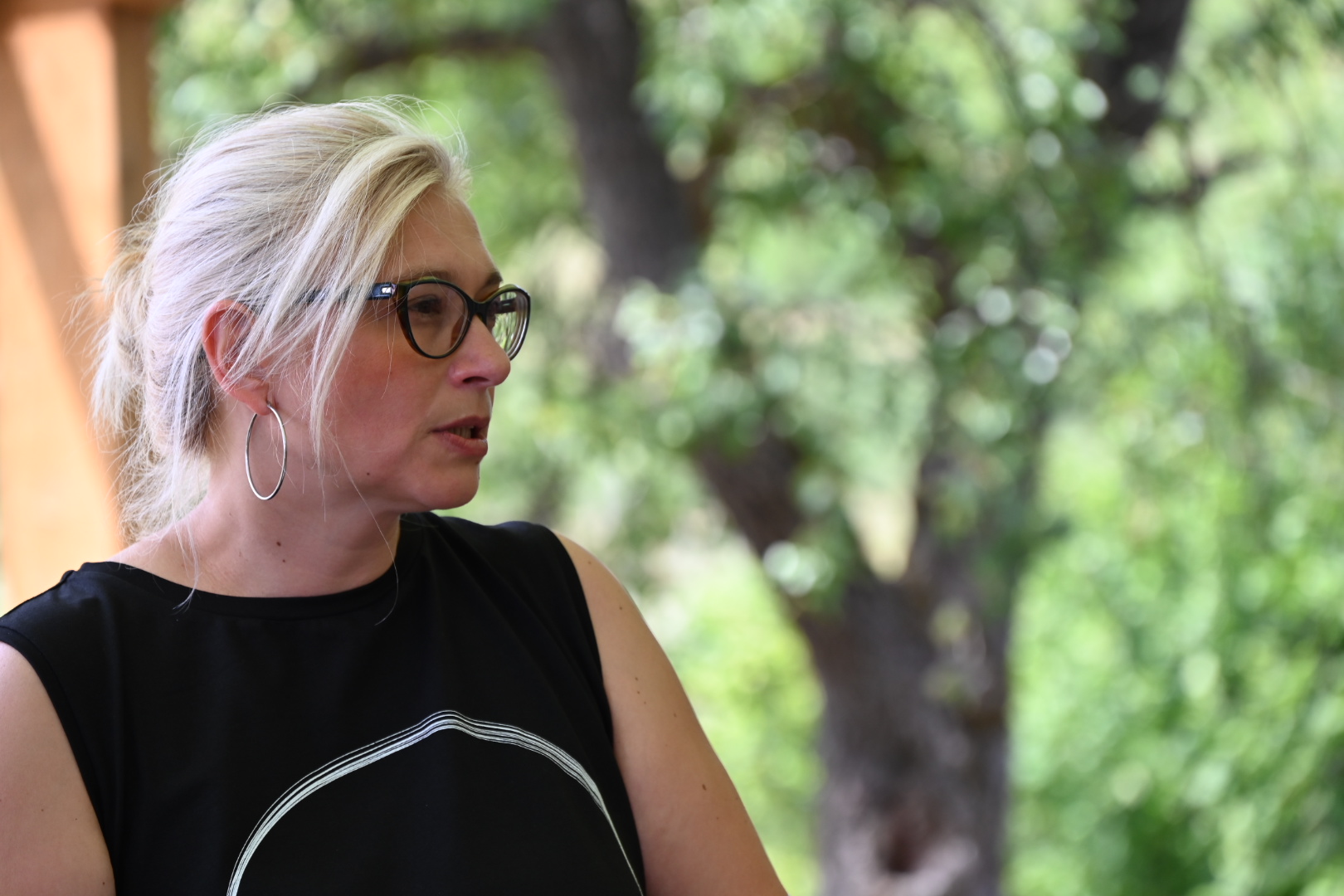
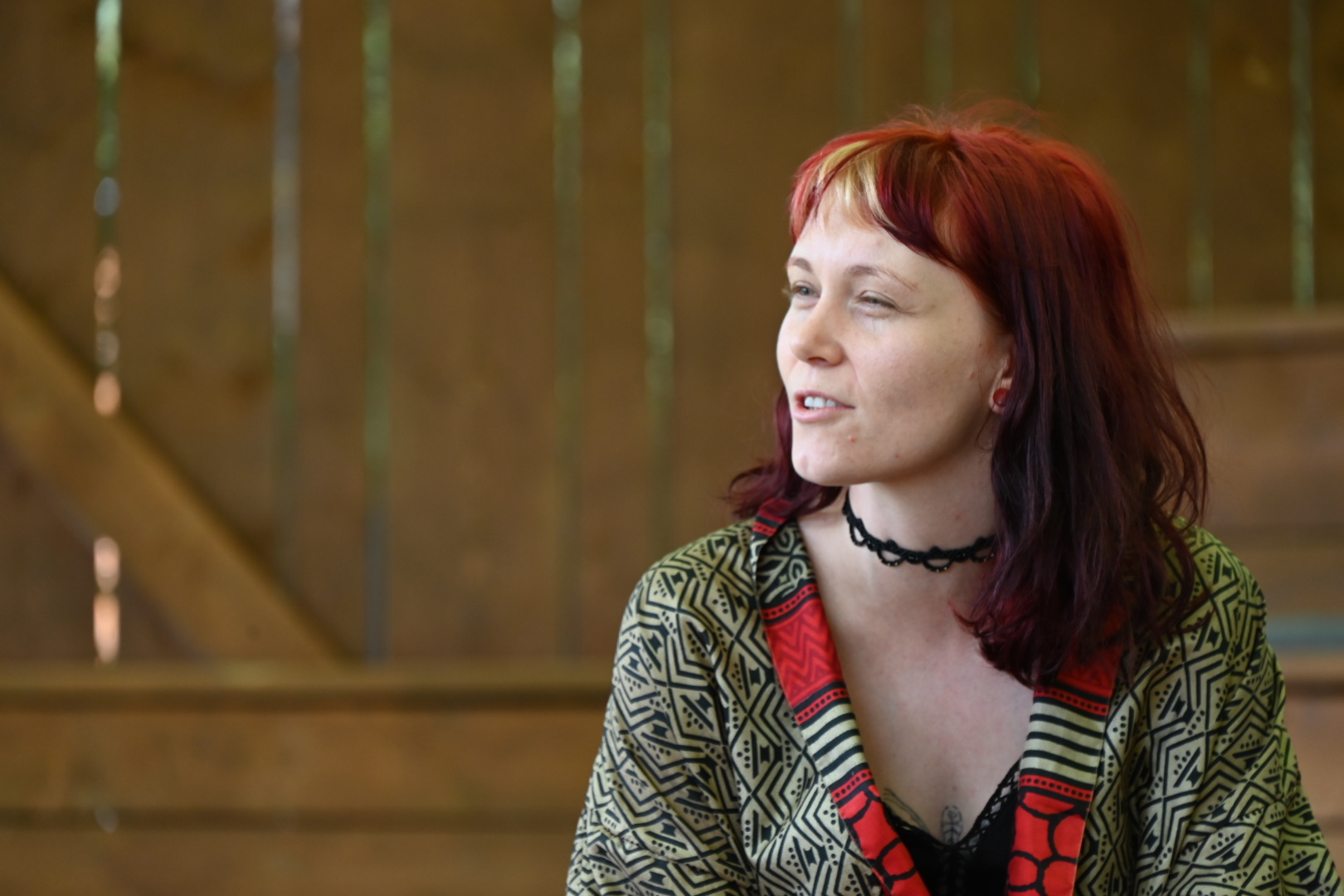
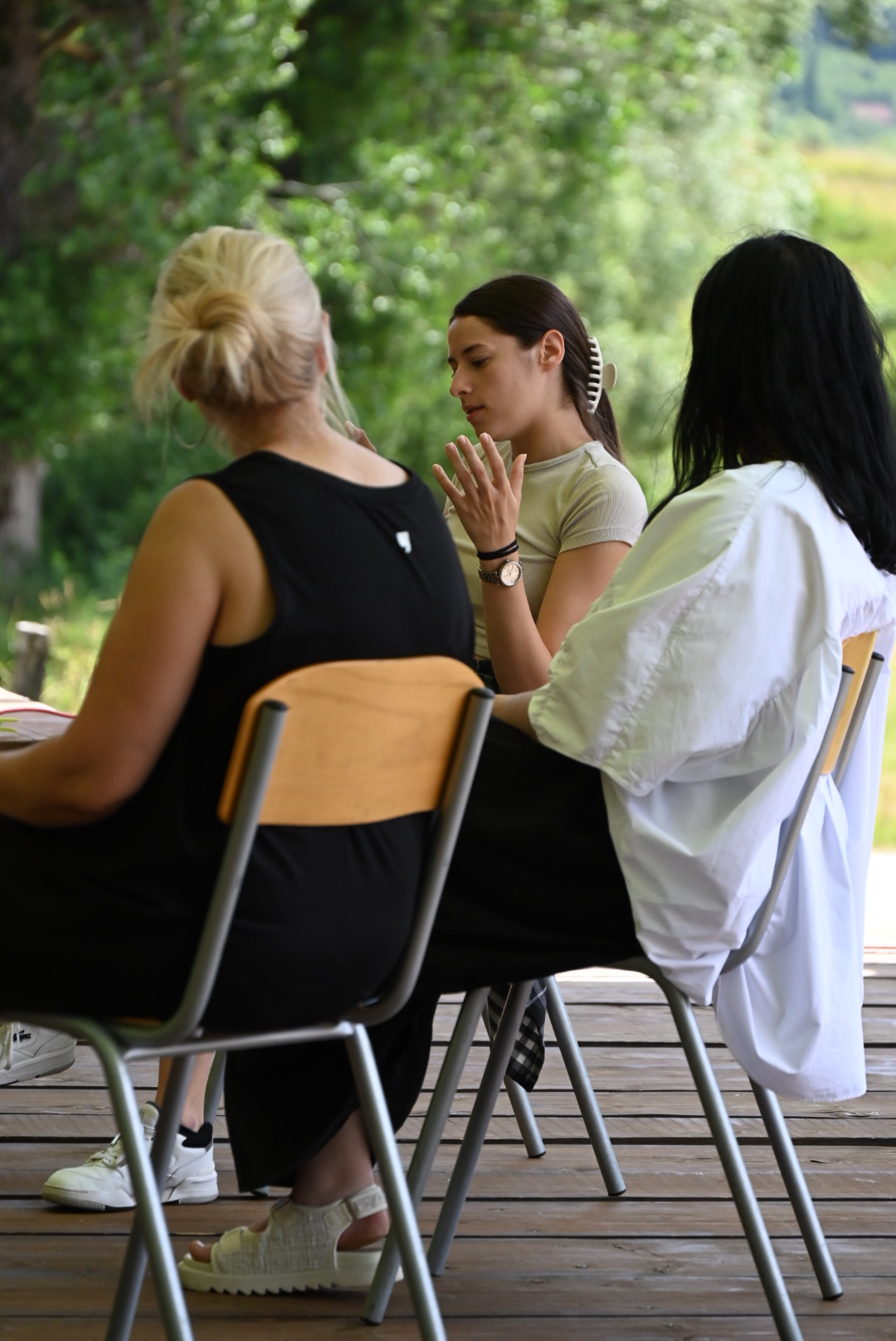
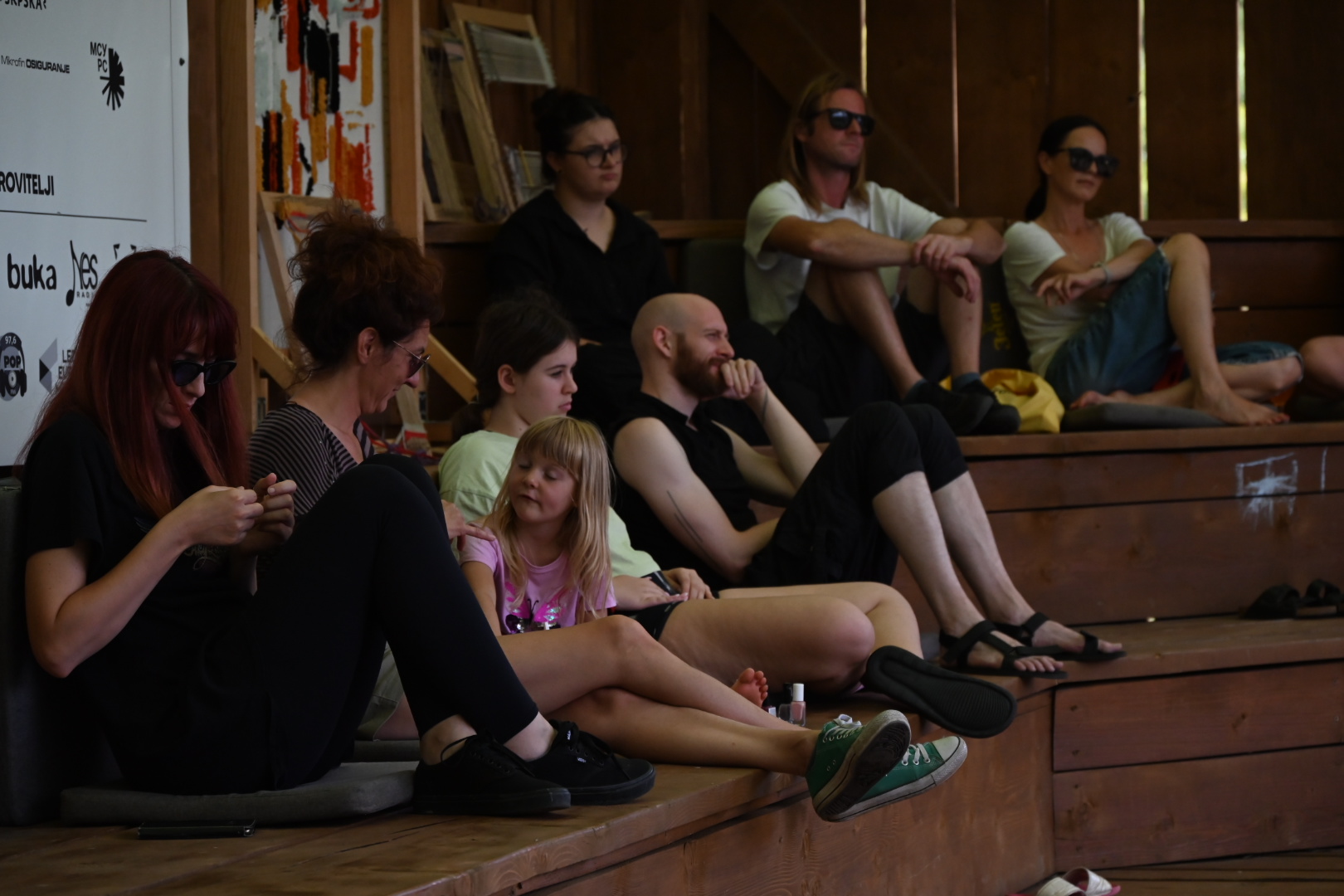
The Outdoor BioLab will be set up from July 4th to 13th, 2025, at the Pecka Outdoor Festival in Mrkonjić Grad, Bosnia and Herzegovina. During this period, workshops will be led by experienced biotechnologists, scientists, artists, and cultural workers.
Under the open sky and the spirit of the Pecka Outdoor Festival, visitors will have the opportunity to explore DIY bio art methods and participate in experiences that merge science and art. The program offers insight into contemporary artistic practices involving research and work with biomaterials and living organisms from the natural environment.

The Outdoor BioLab PROGRAM
July 4, 2025 – July 13, 2025
Pecka Outdoor festival
Gornja Pecka 158, Mrkonjić Grad, Bosnia and Herzegovina
Microphoto safari – hunt for water bears
Workshop led by GJINO ŠUTIĆ & PAULA GARBIN, Universal Research Institute – UR Institute
SATURDAY and SUNDAY, 5-6 July
Workshop duration: 30 min
Age group: kids, 5-14 (not strictly limited)
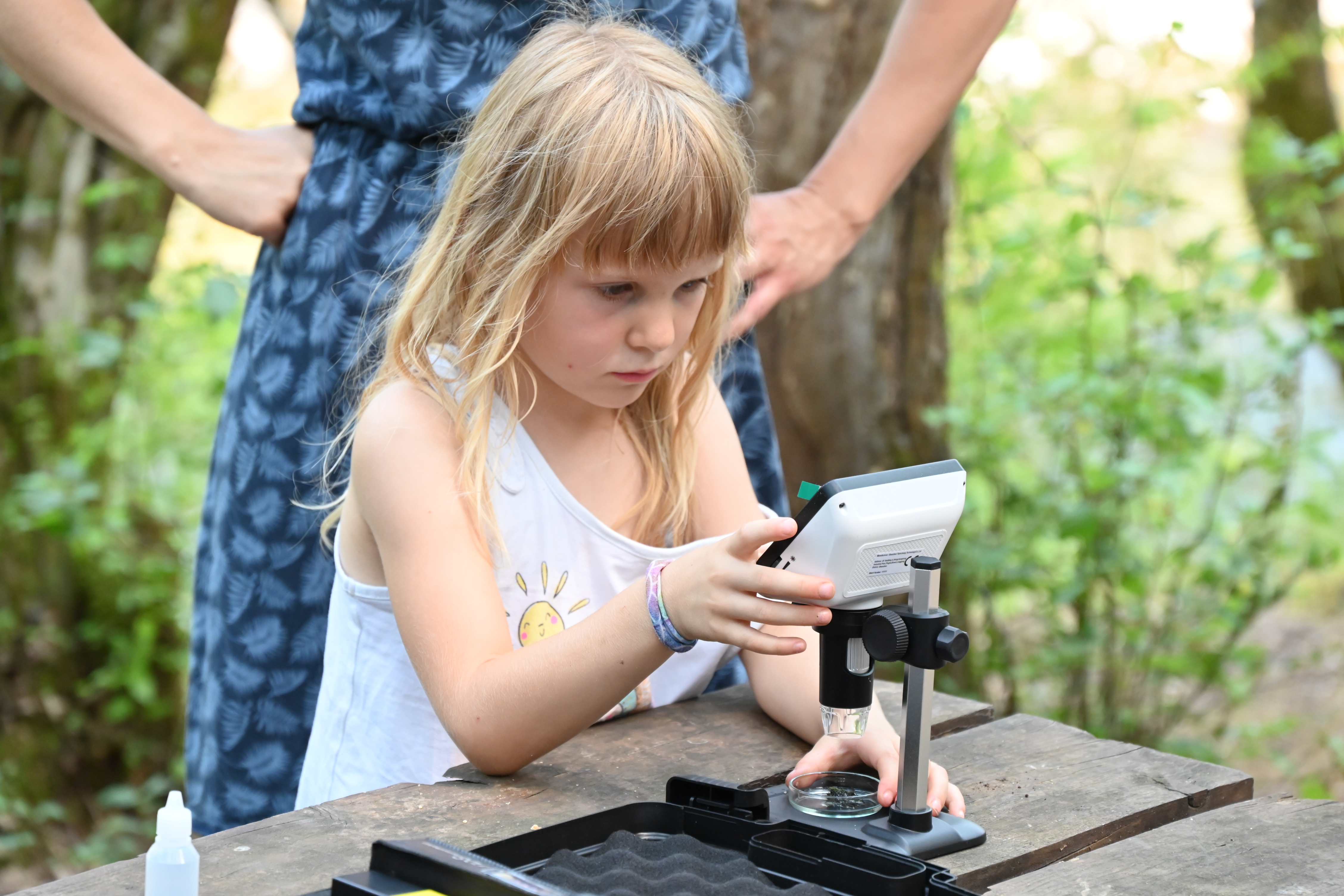
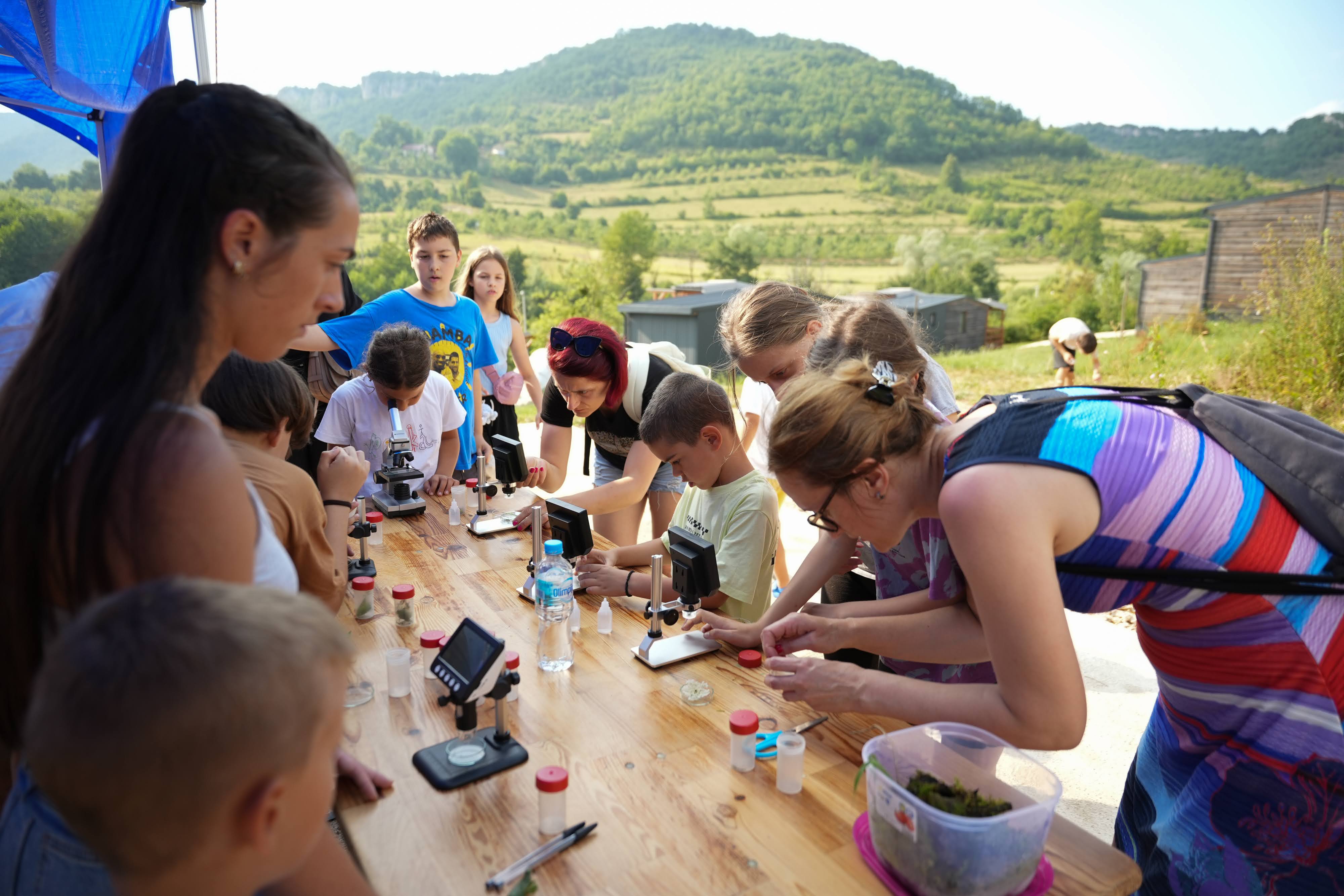
A workshop for children that introduces the world of microscopy through play and hands-on exploration. Participants will collect their own nature samples, observe them under the microscope, and discover invisible life forms like water bears (tardigrades). Those interested can also try nature illustration to record their observations. The workshop encourages curiosity, scientific thinking, and close observation of nature.



Do It Yourself – mud batteries
Workshop led by GJINO ŠUTIĆ & PAULA GARBIN, Universal Research Institute – UR Institute
SATURDAY and SUNDAY, 5-6 July
Workshop duration: 30 min
Age group: youth, 15-30 (not strictly limited)
A workshop for youth that introduces the world of bioelectrochemistry and renewable energy sources. Through hands-on activities, participants will learn how to build a DIY rechargeable battery that uses organic waste to generate electricity, and how this technology can be applied in environmental research and industry as a biosensor for pollution detection.
The workshop is based on an innovative battery and biosensor system developed at the UR Institute.


ABOUT THE MENTORS
Gjino Šutić (CRO) MSc.Med.Chem. Biotechnologist, innovator, educator, new media artist, producer, project and program manager. Director of Universal Research Institute (UR Institute) HR (2013-). Director of Gen0 Industries d.o.o. for research and development of innovative technologies, HR (2014-). President of Association of innovators of Dubrovnik-Neretva County, HR (2020-) Since 2012, active as multidisciplinary researcher and internationally awarded innovation developer specialized in general biotechnology (with focus on highly experimental, environmental, medical and industrial), new media art (specifically biological art and hybrid science+tech related art), emerging fields of science and technology (medicinal chemistry, biomechatronics/bioelectronics, biosemiotics), science communication and STEAM popularization through citizens science and experimental practice.Holds a wide portfolio of internationally acclaimed projects supported by the European Commision through Horizon, Creative Europe, Erasmus+, ESF and related programs.
Paula Garbin (CRO) Holds a Bachelor of Science degree in Environmental Science from Lancaster University, UK. She is currently pursuing a Master’s degree in Management of Nature – Global Change Ecology and Sustainable Development Goals at the University of Bologna, conducting research as resident at UR Institute. Her thesis includes researching effects of pelletized sheep wool fertilizer on the growth of Mediterranean crops. Her main areas of interest include the impact of waste on the environment, marine protection, plastic pollution, and general environmental conservation. Previous experience includes work at the Institute for Marine and Coastal Research in Dubrovnik on a project involving a newly discovered jellyfish species, and volunteering at the Hazelrigg Meteorological Station at Lancaster University.

Paper that Grows
Workshop led by the Student Organization of the Faculty of Natural Sciences and Mathematics in Banja Luka, Bosnia and Herzegovina, and conducted by Valentina Knežević, the president of the organization, under the mentorship of Dragica Delić, senior teaching assistant at the Faculty
SATURDAY, 5 July
Workshop duration: 60 min
Age Group 8-15y
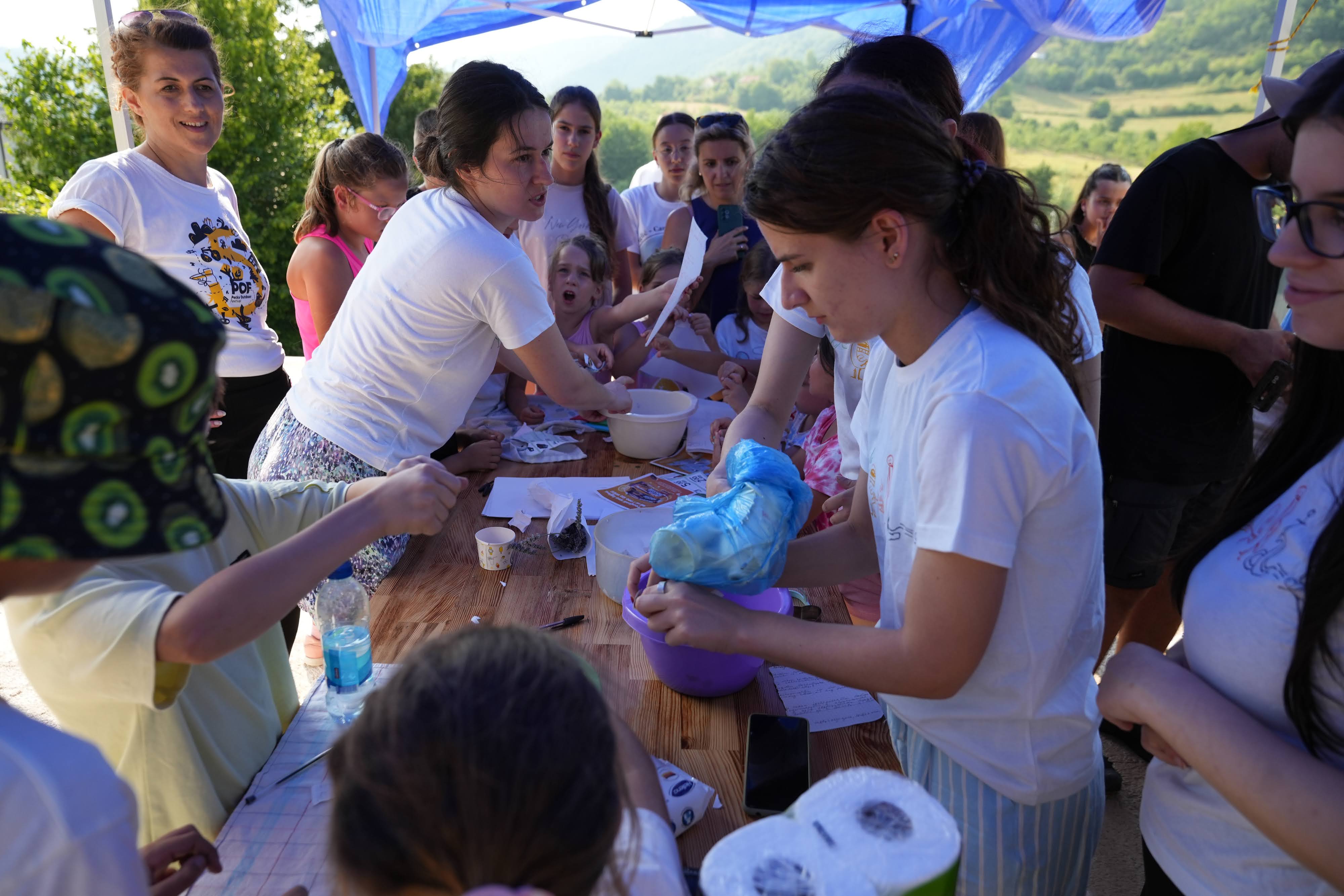
The workshop titled “The Paper That Grows” is designed to awaken children’s awareness about recycling and foster a love for nature through a fun and engaging process. With the assistance of university students, children will learn how to make handmade paper embedded with plant seeds, which they can later plant and nurture at home.
“The Paper That Grows” is a creative and educational workshop rooted in the natural sciences, intended for children aged 8 to 15. During the workshop, participants will have the opportunity to recycle old paper and transform it into new, handmade paper enriched with plant seeds. Once the paper is made and dried, it can be planted in soil, where various types of plants will eventually grow from it.
Children will go through every step of the process: from shredding and soaking the old paper, to forming and decorating the new paper with seeds. The workshop is age-appropriate and led by a team of students with support from a mentor.


ABOUT THE MENTORS
The Student Organization of the Faculty of Natural Sciences and Mathematics at the University of Banja Luka brings together students from various fields of natural sciences. For several years now, the organization has been participating in the Pecka Outdoor Festival, where it conducts interactive workshops and educational activities for children and youth. Through various projects and initiatives, the organization’s members actively promote science. They see their participation in the festival as an excellent opportunity to combine education and fun, and to inspire young minds to think green.
This year’s festival participants include students Marija Manojlović, Nina Kutić, Anastazija Zrnić, Marko Kalaba, and the president of the Student Organization of the Faculty of Natural Sciences and Mathematics, Valentina Knežević, under the mentorship of Dragica Delić, senior teaching assistant at the Faculty.

From thread to a piece – Making tapestries from pure wool
Workshop led by JELENA VUČIĆ and ALEKSANDRA TRNINIĆ, Artists
SATURDAY, 5 July
Workshop duration: 60min
Age Group: older than 7y
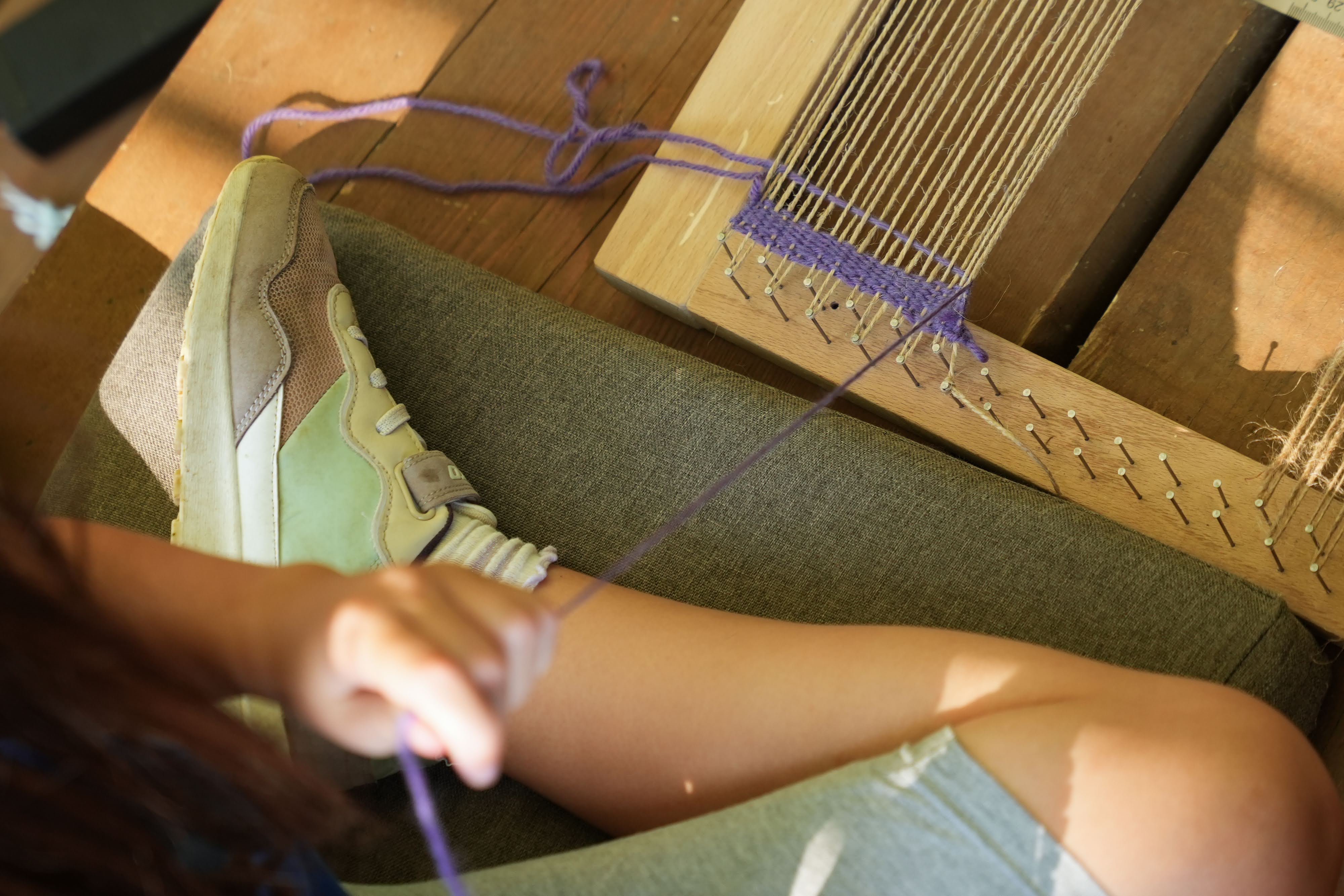
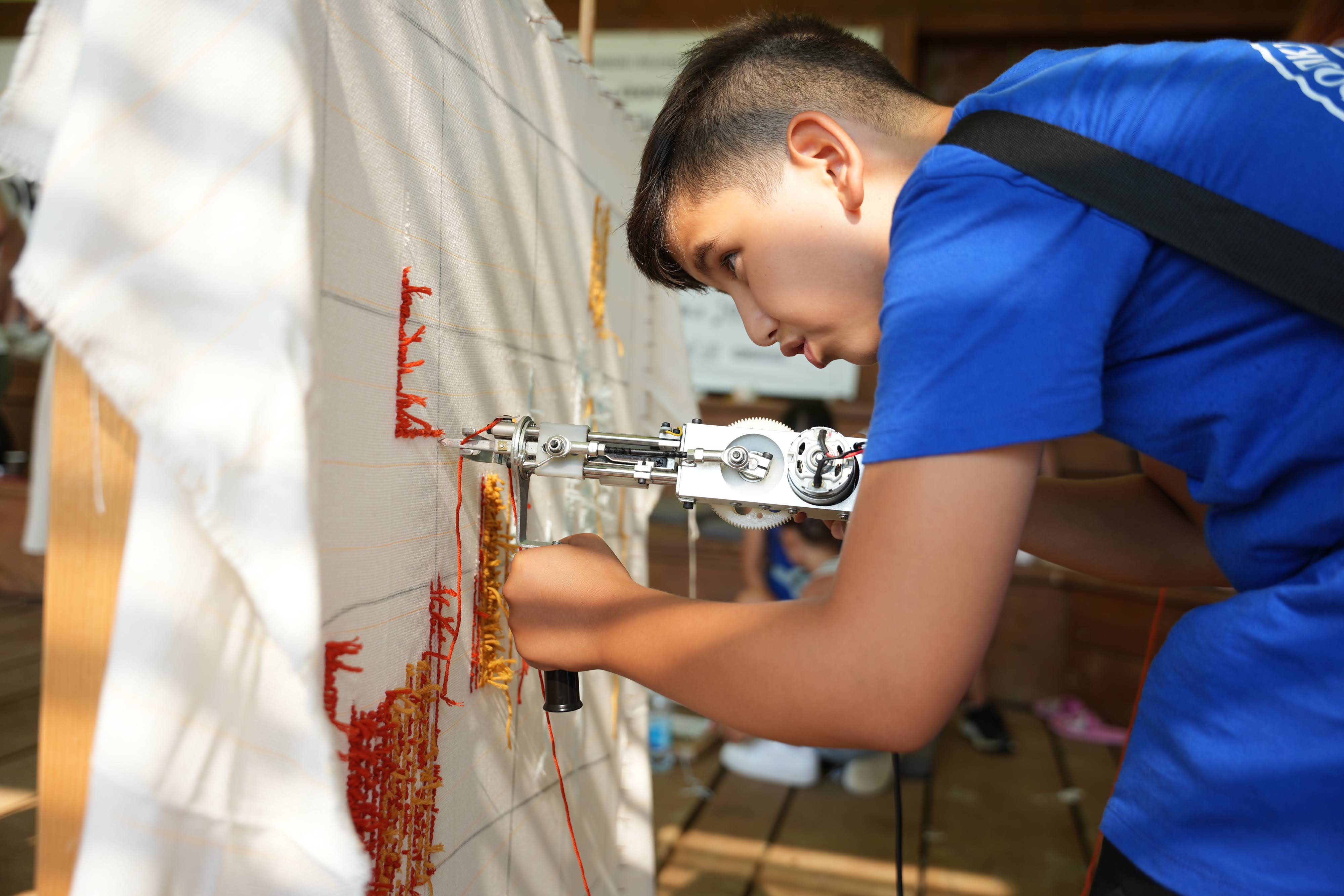
As part of the accompanying program of the 6th Pecka Outdoor Festival, a tapestry-making workshop for children and youth will be held, offering participants a chance to get hands-on with wool and learn—through a fun and creative process—how carpets are made, from thread to finished piece. Participants will be introduced to this natural material, the basics of weaving techniques, and the process of making tapestries—a tradition deeply rooted in the local cultural heritage. They will also discover a modern tool used in this art form: the tufting gun. This technique allows for quick and expressive creation of decorative rugs.
The workshop will last up to three hours and will include:
– a short introduction to traditional weaving and tapestry-making,
– a demonstration of how the tufting gun works, and
– a hands-on segment in which participants, with the support of mentors, will create their own mini carpet.
Work will be done in small rotating groups, encouraging collaboration and mutual support. In the end, everyone will contribute to making a large collective tapestry on a shared frame. This workshop offers children an opportunity to develop their artistic sense, gain hands-on experience with tools, and cultivate teamwork. And best of all, they’ll take home a unique piece of their own creation.




Natural Palette – Workshop on painting with natural pigments
Workshop led by JELENA VUČIĆ and ALEKSANDRA TRNINIĆ, Artists
SATURDAY, 5 July
Workshop duration: 60min
Age Group: older than 7y
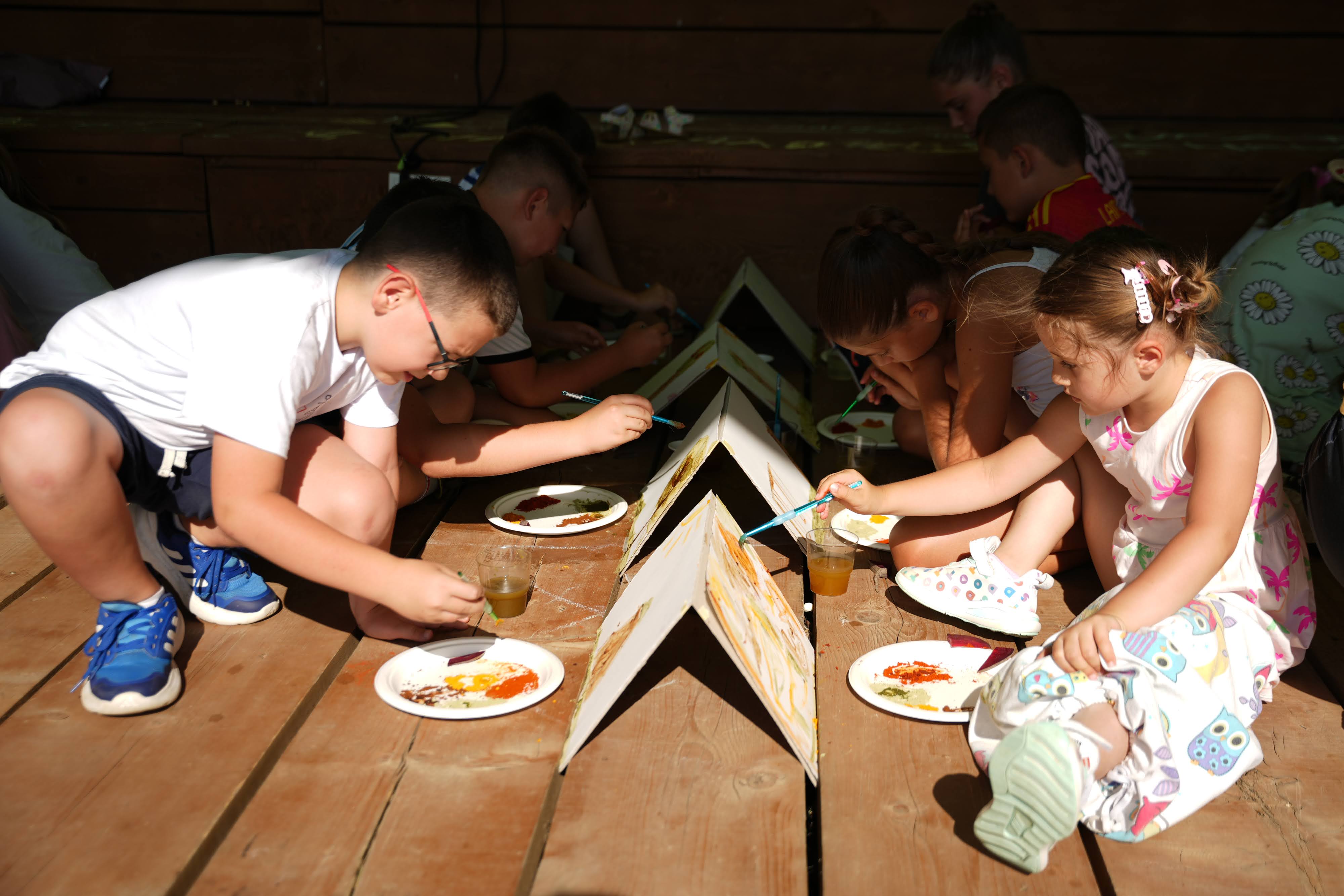
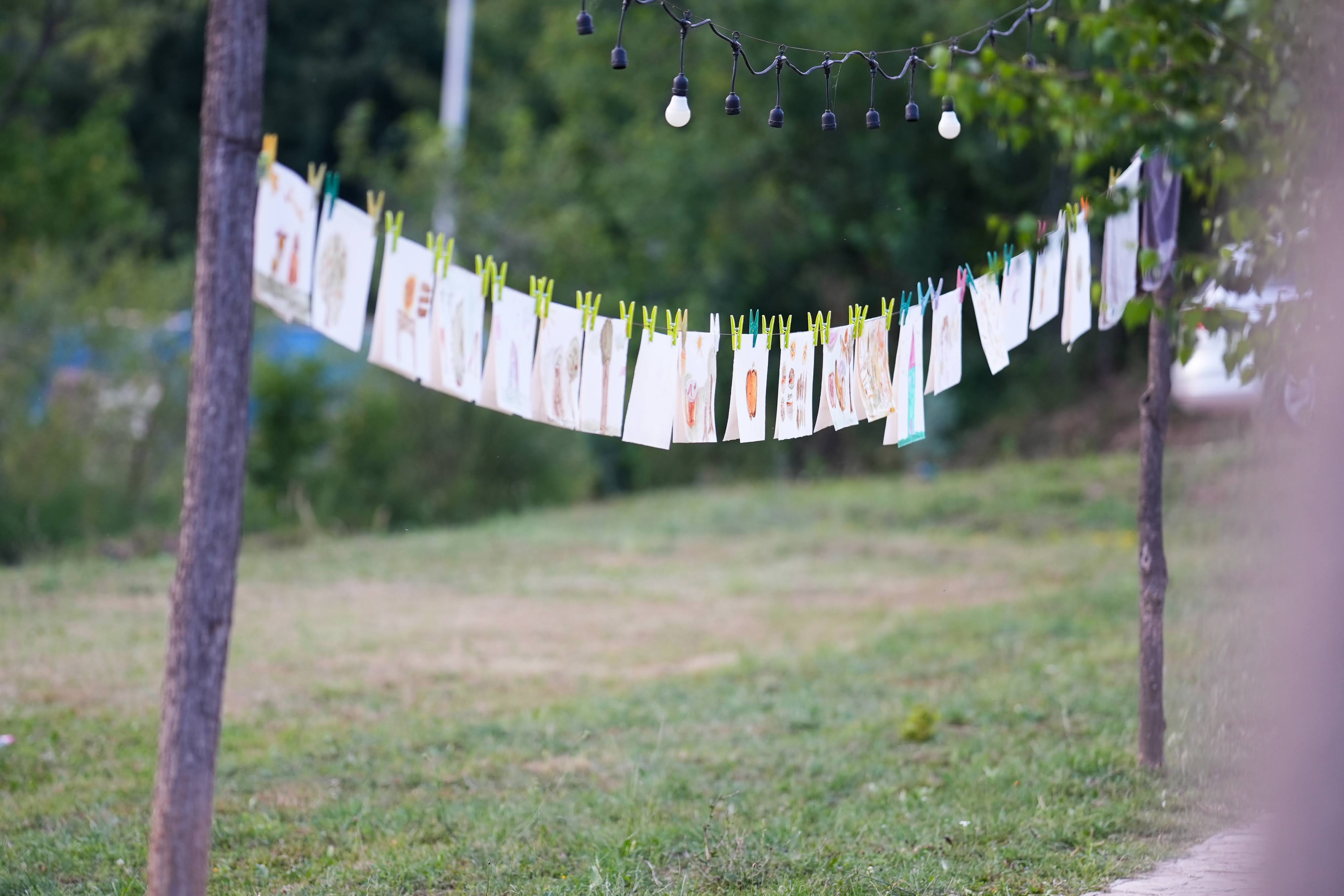
As part of the accompanying program of the 6th Pecka Outdoor Festival, a creative painting workshop for children will be held – but in a completely different way: they will paint using colors they create themselves from nature!
Through play, exploration, and hands-on learning, children will make their own paints using various natural and plant-based materials such as turmeric, beetroot, red pepper, grass, berries, and other plants they find in the surroundings. In doing so, they will learn how colors are derived from nature and how people used to create pigments before industrial paints were available.
The workshop will last up to two hours and includes: collecting and preparing materials, making simple watercolor-like natural pigments, and using them to paint on paper.
This workshop is an opportunity for children to spark their imagination, connect with nature in a new way, and discover how art can be deeply intertwined with the environment. Everything they use – they’ll create themselves, and everything they paint – will be entirely unique! The goal is for participants to develop new skills, creativity, a sense for the materials around them, and a love for both art and nature through play and creation.


ABOUT THE MENTORS
Jelena Vučić (BH) is a visual artist from Banja Luka whose practice spans painting, video art, performance, animation, and installation. She completed her undergraduate and master’s studies at the Academy of Arts of the University of Banja Luka, where she now works as a teaching assistant. Her works have been presented in prominent galleries and contemporary art festivals in Serbia, Bosnia and Herzegovina, and abroad – including in Belgrade, Venice, Užice, and Skokie. She is the recipient of numerous awards, among which the Golden Badge for Student of the Generation and the award of the Museum of Contemporary Art of Republika Srpska stand out. Through her work, Jelena explores the boundaries between the visible and the invisible, the human and the divine.
Aleksandra Trninić (BH) born in Teslić, is an artist whose painting carries a strong narrative and social charge. After completing her painting studies at the Academy of Arts in Banja Luka, she developed a rich exhibition portfolio through numerous solo and group exhibitions across Bosnia and Herzegovina and Serbia. She has received recognition for her work in various media – from drawing and mosaic to icon painting. Aleksandra is actively engaged as an educator in numerous art workshops for children and youth, as well as within cultural festivals, camps, and educational programs. Her practice is rooted in art as a means of connection, understanding, transformation, and community empowerment.

Circular gaze
Workshop led by PHYLLIS JANUEL, student of design
SATURDAY, 12 July
Workshop duration: 60 min
Age Group All ages from 7y
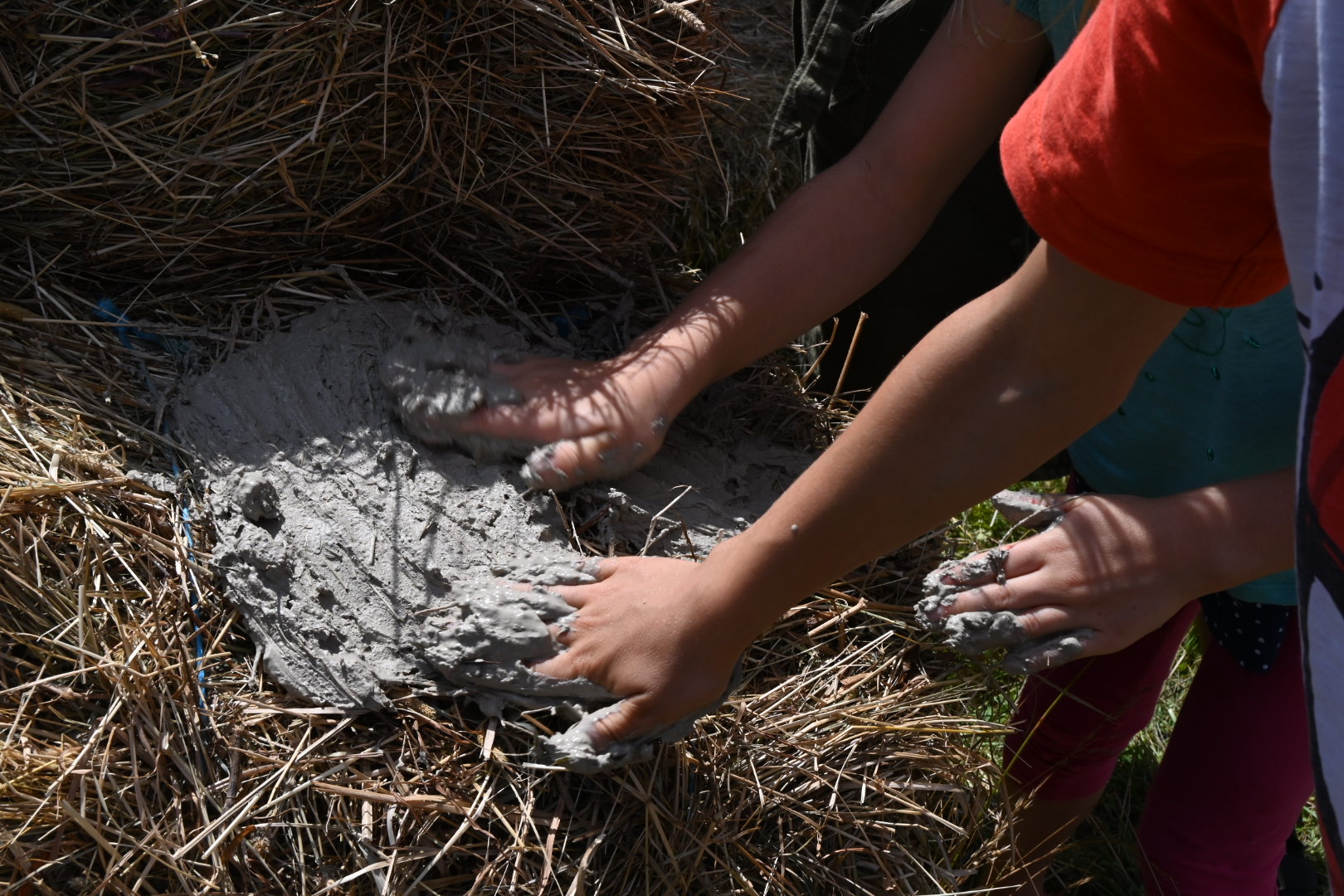
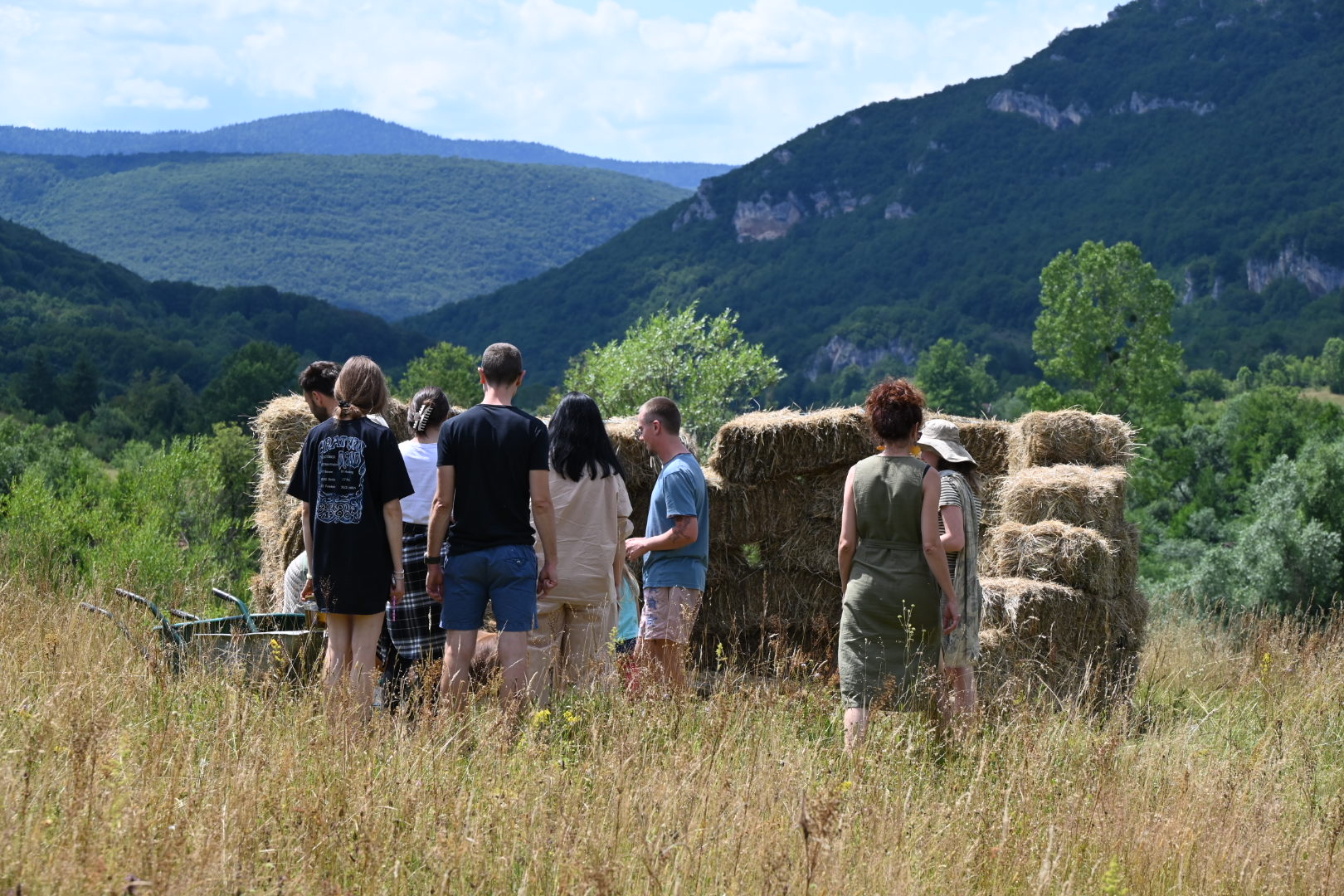
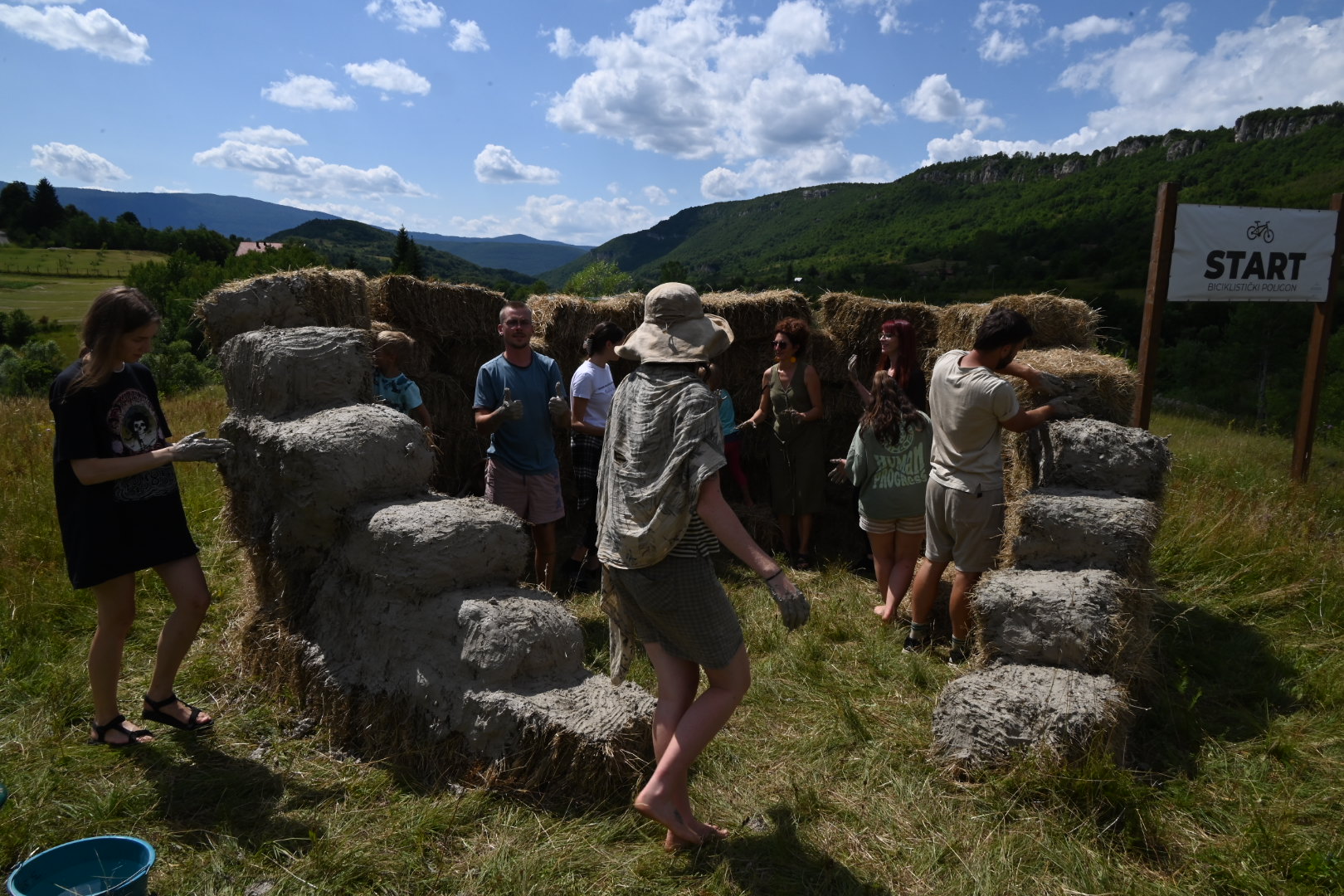
A circular structure built entirely of straw bales, designed as a space for rest, contemplation, and conviviality. This space invites visitors to sit, lie down, observe the sky, chat, or simply take a break from the festival. The circular shape encourages exchanges and encounters. Openings are integrated into the walls to let light through, create frames of the landscape, and arouse curiosity. These “open spaces” encourage us to look differently, to imagine what lies beyond, like windows onto a setting to be completed by the imagination. This workshop also explores sustainable and ephemeral building techniques. The base of the structure will be prefabricated using straw bales, and participants will then be invited to coat it with cob—a natural mixture of clay, water, and straw. Through this collaborative act, each participant will have the opportunity to leave their mark by highlighting openings, creating surface textures, or designing patterns. Over time, this co-created structure will transform into a vibrant, living space that evolves with the community.


ABOUT THE MENTOR
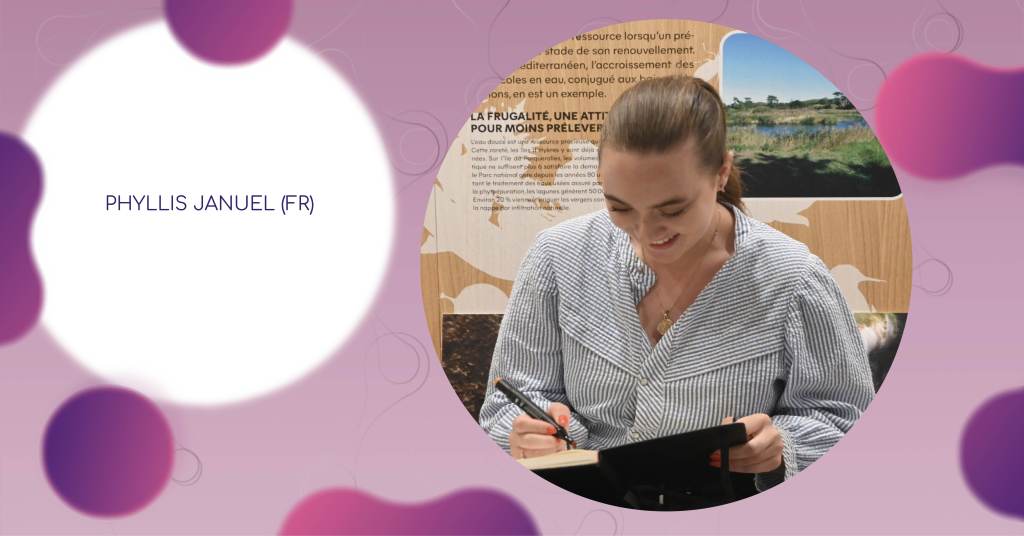
Phyllis Januel (FR) is originally from the Drôme/Ardèche region in France, her deep connection to this rural area has fueled her longstanding interest in the agricultural world. In 2024, she earned her DNA (National Diploma in Art) in Design from ESADTPM. Her final project focused on the life cycle of apple waste generated by the agricultural production at Domaine de Gabalie in Lozère, where wine and apple juice are produced. She explored ways to repurpose this waste in order to highlight the work of this local producer. She is currently pursuing a Master’s degree in Object Design at ENSAD in Limoges (France). Her dissertation centers on the concept of the garden—not merely as a space for food production, but as a place of care for people with disabilities. Her interests lie at the intersection of environmental awareness, rethinking materials through the reuse of waste, and exploring the richness of the rural world.
An intelligent introduction to biodesign
Workshop led by MAJA HALILOVIĆ, Biodesigner and inovator
SATURDAY, 12 July
Workshop duration: approx 60min
Age Group: 15y and more
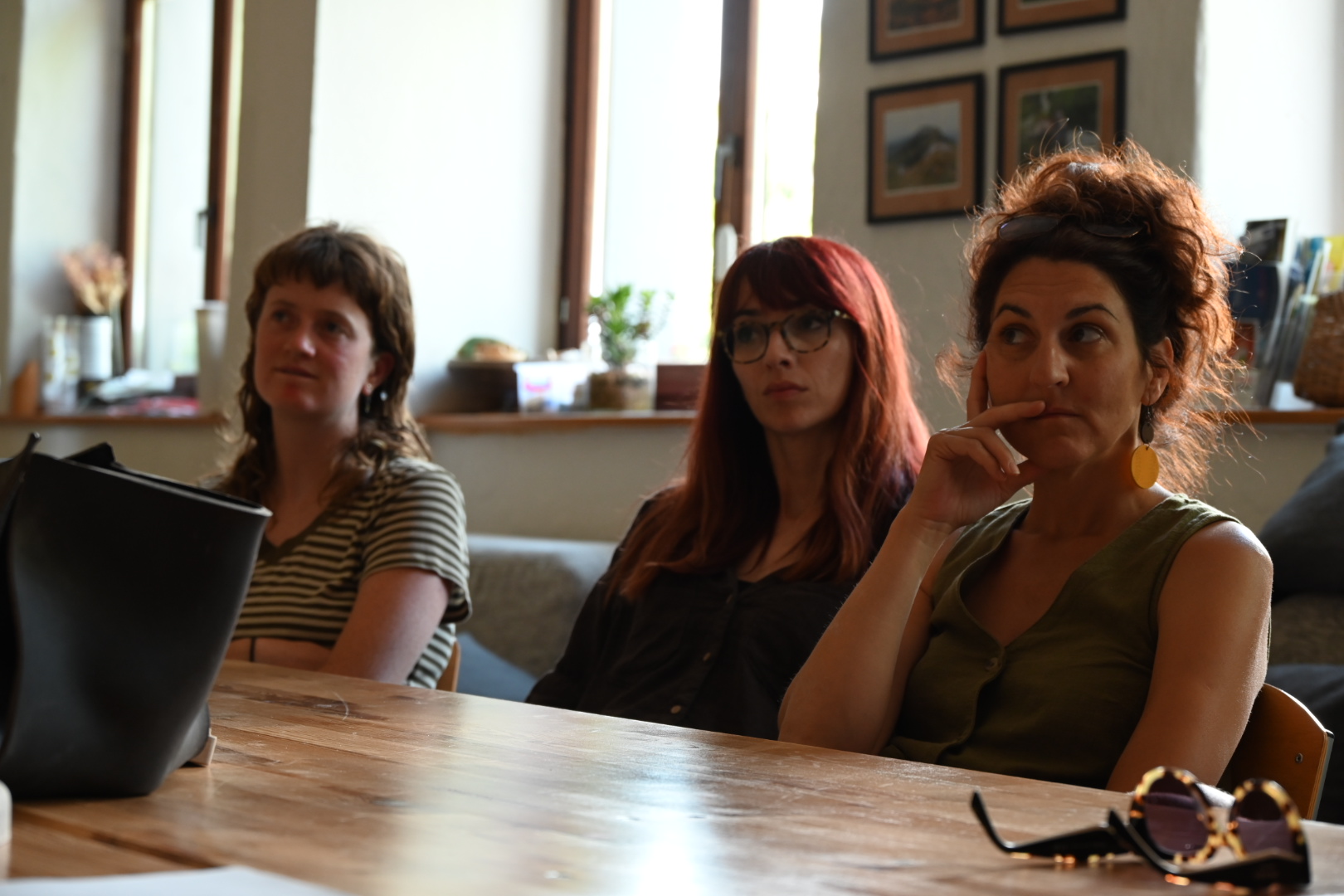
The first day of the workshop begins with a lecture introducing participants to the theoretical and philosophical foundations of biodesign. Biodesign is not viewed merely as sustainable design, but as a deeply considered approach that integrates living organisms, microorganisms, and organic processes into the very act of creation. Through thematic modules, participants explore distinctions between concepts such as biodesign, biofabrication, biophilic design, and bio-utopia, accompanied by a brief historical overview—from early experiments to today’s speculative and regenerative practices. Special attention is given to microorganisms as “co-authors” of design—bacteria, algae, and fungi—as active agents in the creation of future materials. Biology is seen as a creative platform, and design as a bridge between technology and nature.
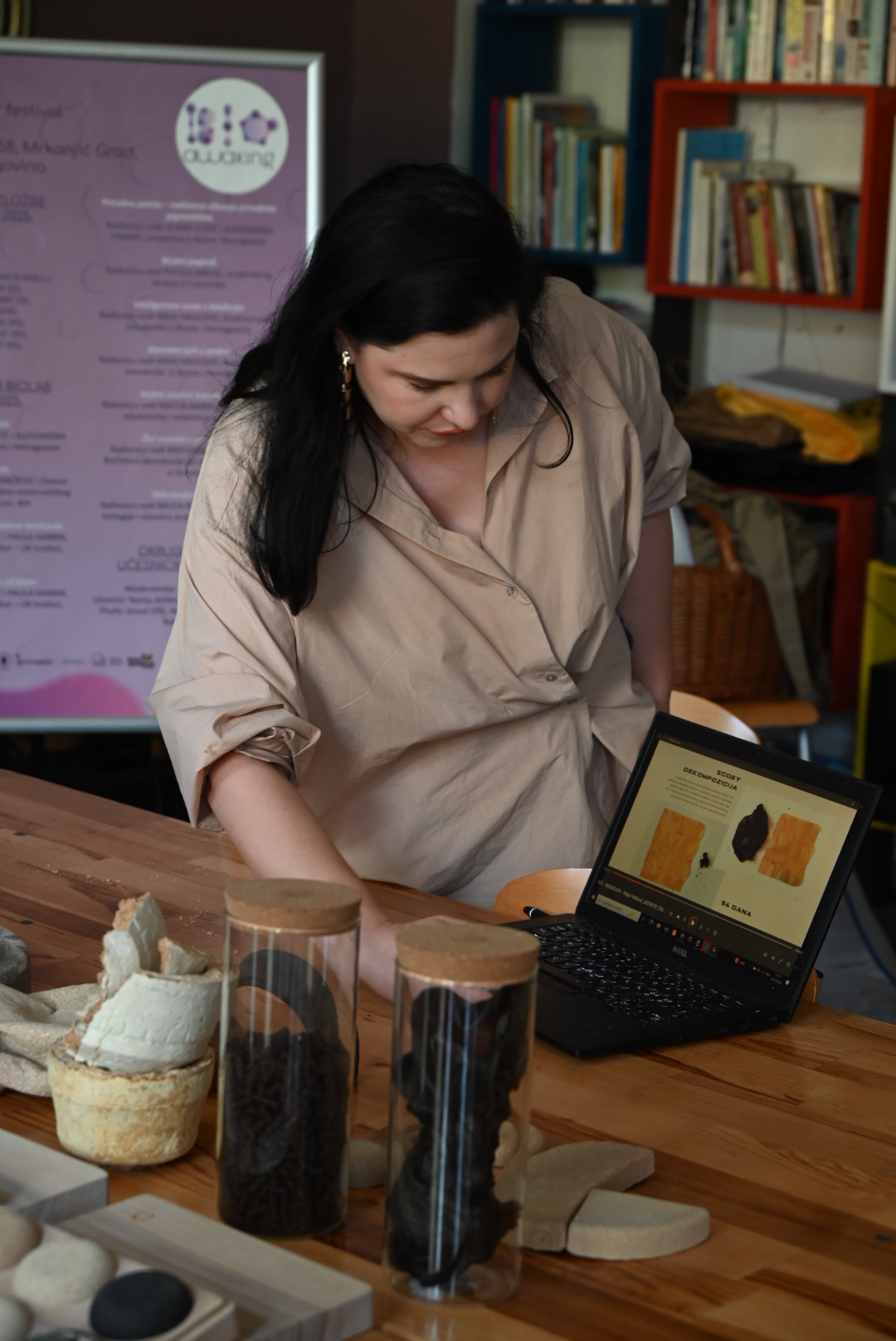
Maja Halilović presents her original biomaterials developed from eggshells, SCOBY cultures, coffee, mycelium, and other bio-resources, highlighting works on bio-leather, rigid mycelium structures, and bio-foam forms. Participants will have the opportunity to see and analyze material samples, sketches, and prototypes. The lecture concludes with a discussion exploring both philosophical and practical questions: Can nature be designed? Is biodesign a new form of activism? And what is the future of materials in the age of climate change?


Biomaterials in practice
Workshop led by MAJA HALILOVIĆ, Biodesigner and inovator
SUNDAY, 13 July
Workshop duration: approx 60min
Age Group: 15y and more
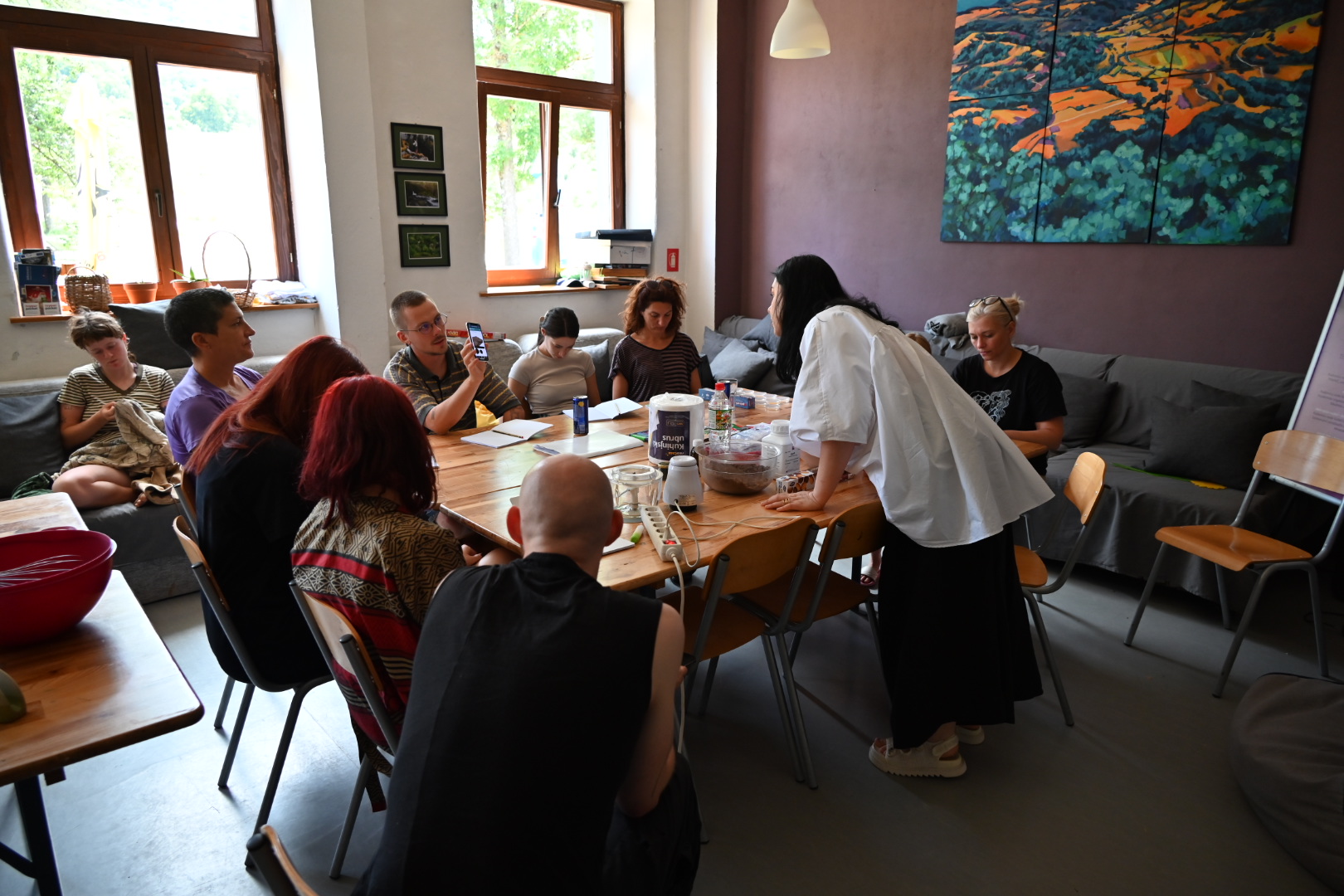
The second day is entirely dedicated to hands-on work and experimentation. Participants will work in small groups, become familiar with the basic principles of a biomaterials lab, and—under expert guidance—develop their own biomaterial samples. The work is based on simple, accessible ingredients: kitchen bio-waste (e.g. eggshells, coffee grounds), natural pigments (such as spirulina, turmeric, activated charcoal), and biodegradable, non-toxic binding agents. The process includes mixing ingredients, forming and shaping materials, drying, experimenting with textures and colors, and documenting results in a so-called “lab journal.” Each group records proportions, observations, and process phases through text and photography.
The final part of the workshop focuses on presenting results, collective reflection, and imagining the future of biomaterials—how they might look, where they could be applied, and whether they could replace plastic, textiles, or construction materials.
In parallel, a “material meditation” is organized—a tactile mini-exhibition of biomaterial samples with distinct scents and textures, accompanied by a soft ambient soundscape. The goal is to stimulate all the senses and present biodesign as a sensory and deeply connective experience.


ABOUT THE MENTOR
Maja Halilović (BH) is a biodesigner with nine years of experience in working with living organisms such as SCOBY cultures and mycelium, developing innovative biomaterials from organic waste. Her work lies at the intersection of science, design, and ecology, pushing the boundaries of sustainable materials. For her invention Biocandle – Biomaterial from Organic Waste, she received a gold award from the Korean Intellectual Property Office (KIPO) and KWIA, as well as a bronze medal at the 75th IENA fair in Nuremberg. She won the prestigious MADE IN BIH AWARD 2023 in five categories. Since 2023, she has been a member of the Association of Innovators of Bosnia and Herzegovina, contributing through mentorship, education, and biodesign advocacy. Her projects have been presented in London, Cologne, Belgrade, Ljubljana, and more. In 2025, her focus is on product development from biomaterials—especially Biocandle—and sustainable furniture design, bridging regenerative design, circular production, and environmental awareness.

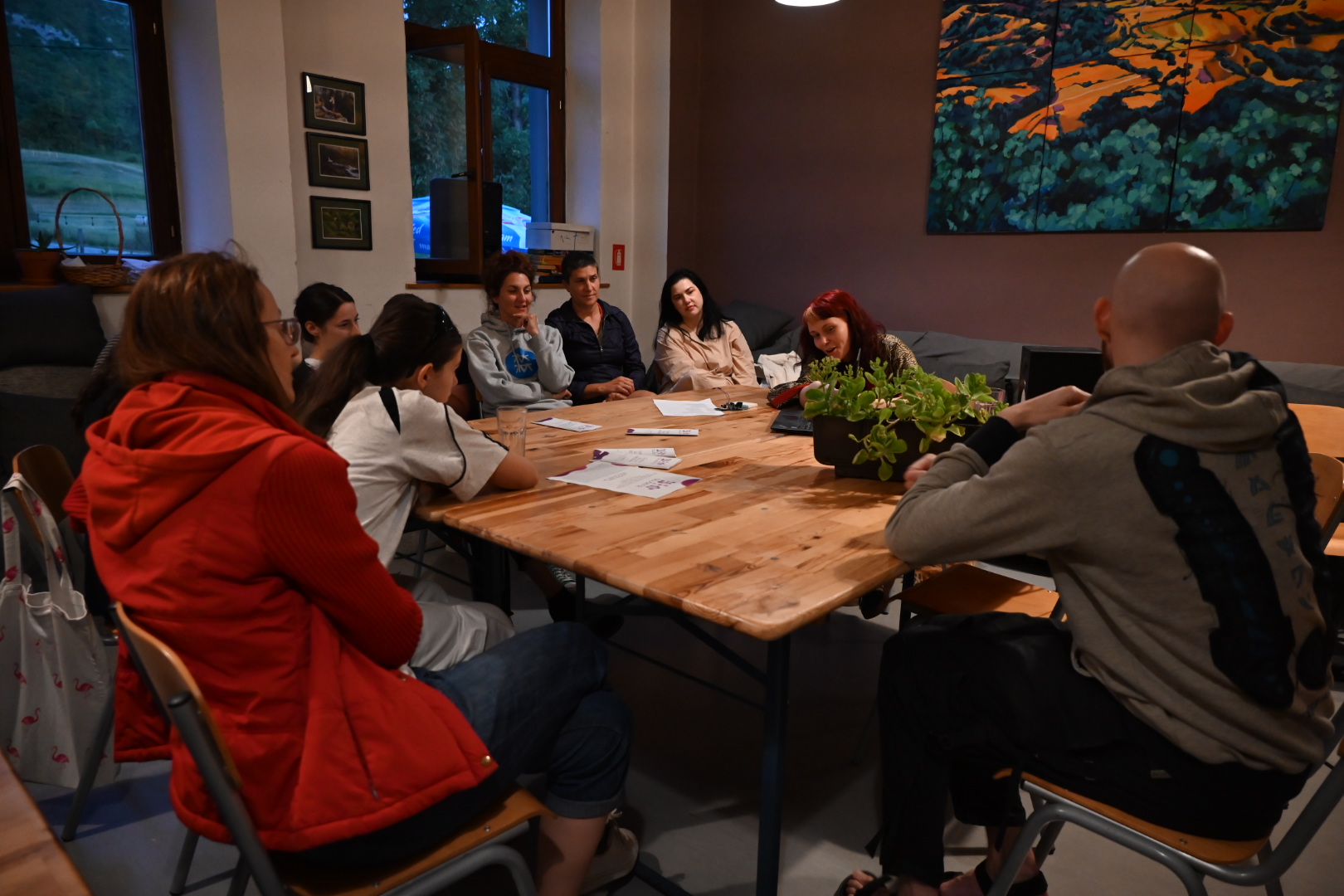
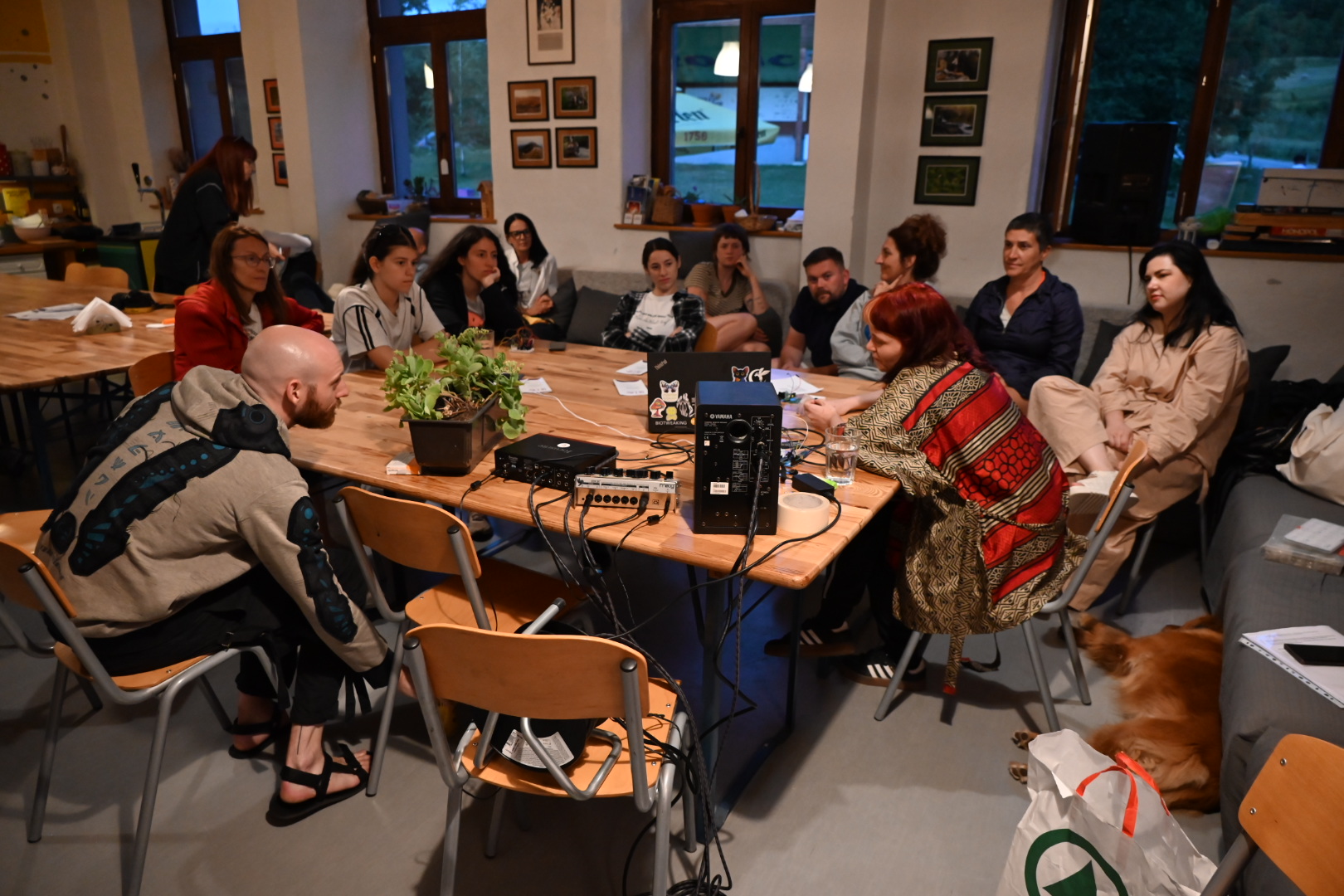
Gaia’s Sonic Transmissions
Workshop led by NASTJA AMBROŽIČ, mentor, educator, artist
SATURDAY, 12 July
Workshop duration: max 120min (in English)
Age Group: 18y+
The workshop will be held on english language
Beneath the forest floor, in the hum of mycelial threads and root-bound pulses, Gaia speaks. Not in words, but in static, in frequencies, in glitches that ripple through soil and silence.This is not a concert. It is a communion – with fungi, with plants, with bioelectric signals. A sonic ritual where technology listens instead of commands. Here, we attune to the messages we were never taught to hear – through the practice of deep listening.
Inspired by composer John Cage’s fascination with mushrooms and his belief in learning from nature, this workshop invites participants to listen to living organisms and transform their bioelectrical signals into live soundscapes.
We will prototype and use a DIY bio-data synthesizer that “translates” bioelectrical impulses into sound. Participants will explore how technology can become a tool for perceiving and creating with nature. The workshop emphasizes an ecofeminist approach that encourages respect for more-than-human life forms and symbiotic relationships.


ABOUT THE MENTOR
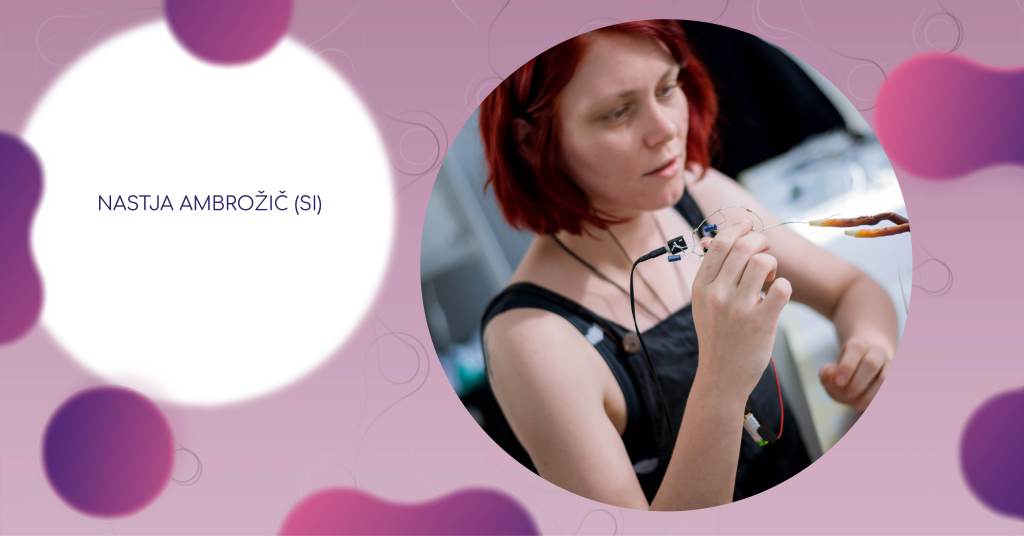
Nastja Ambrožič (SI) is a mentor, educator, and a fresh presence in the field of intermedia art, exploring the entanglements of art, biology, ecology, and DIY technology. In her practice, she often collaborates with living organisms – fungi, plants, and microorganisms. She also develops and leads interactive, immersive workshops for children, youth, and adults. Her research is rooted in a more-than-human understanding of the world. She creates formats that encourage critical thinking, curiosity, and openness to the unknown – through play, experimentation, and encounters with the unusual. Her projects merge scientific methods and artistic approaches in the exploration and co-creation with living systems.
Living Systems through Art
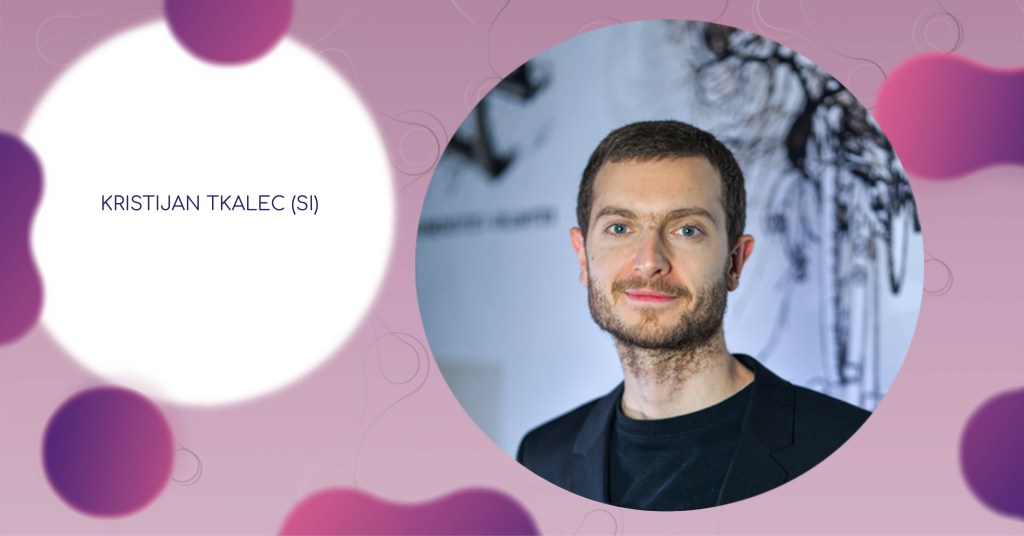
Workshop led by KRISTIJAN TKALEC, Head of BioTehna Lab at Kersnikova Institute
SATURDAY, 12 July
Workshop duration: 120min
Age group: 18+ (not strictly limited)
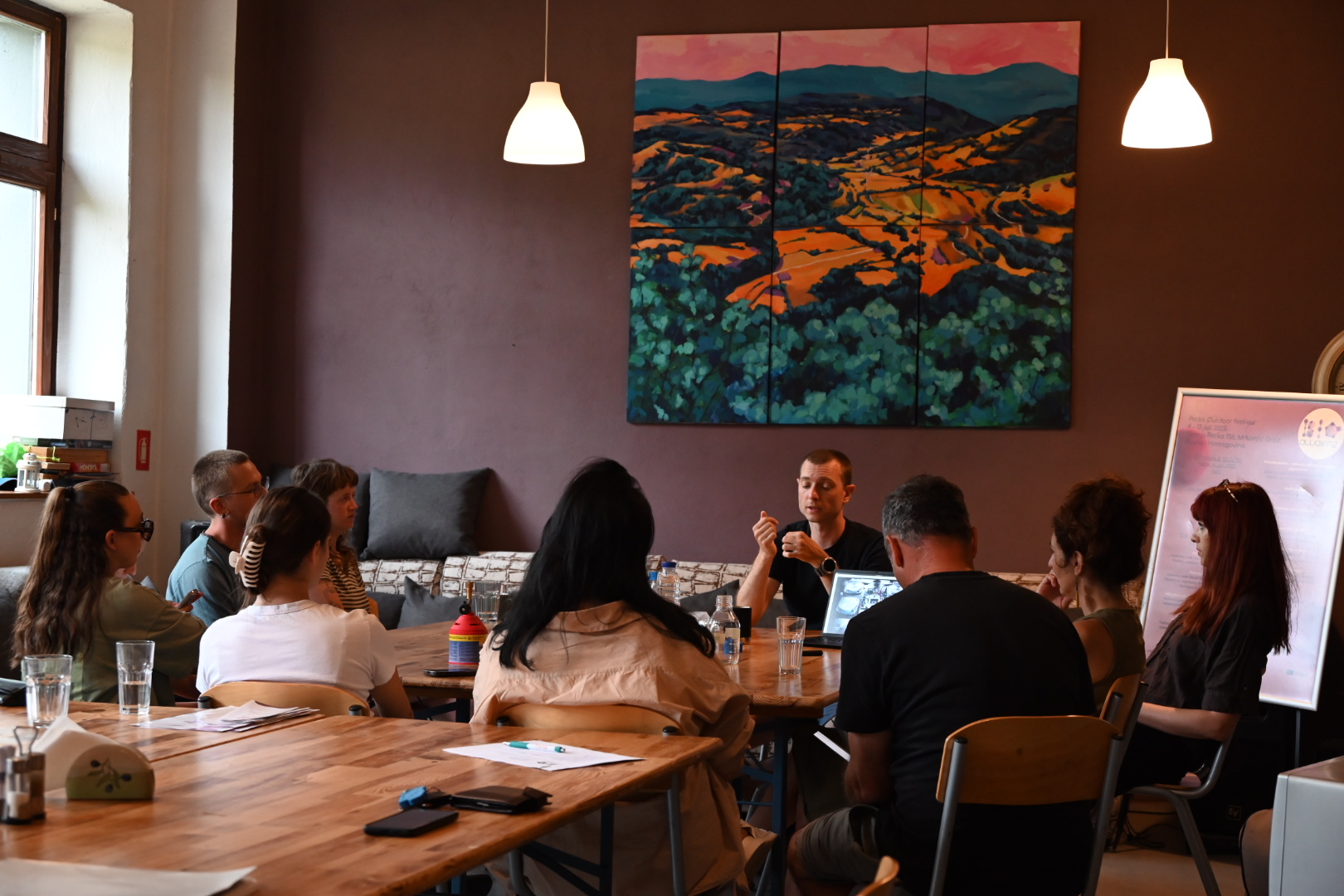
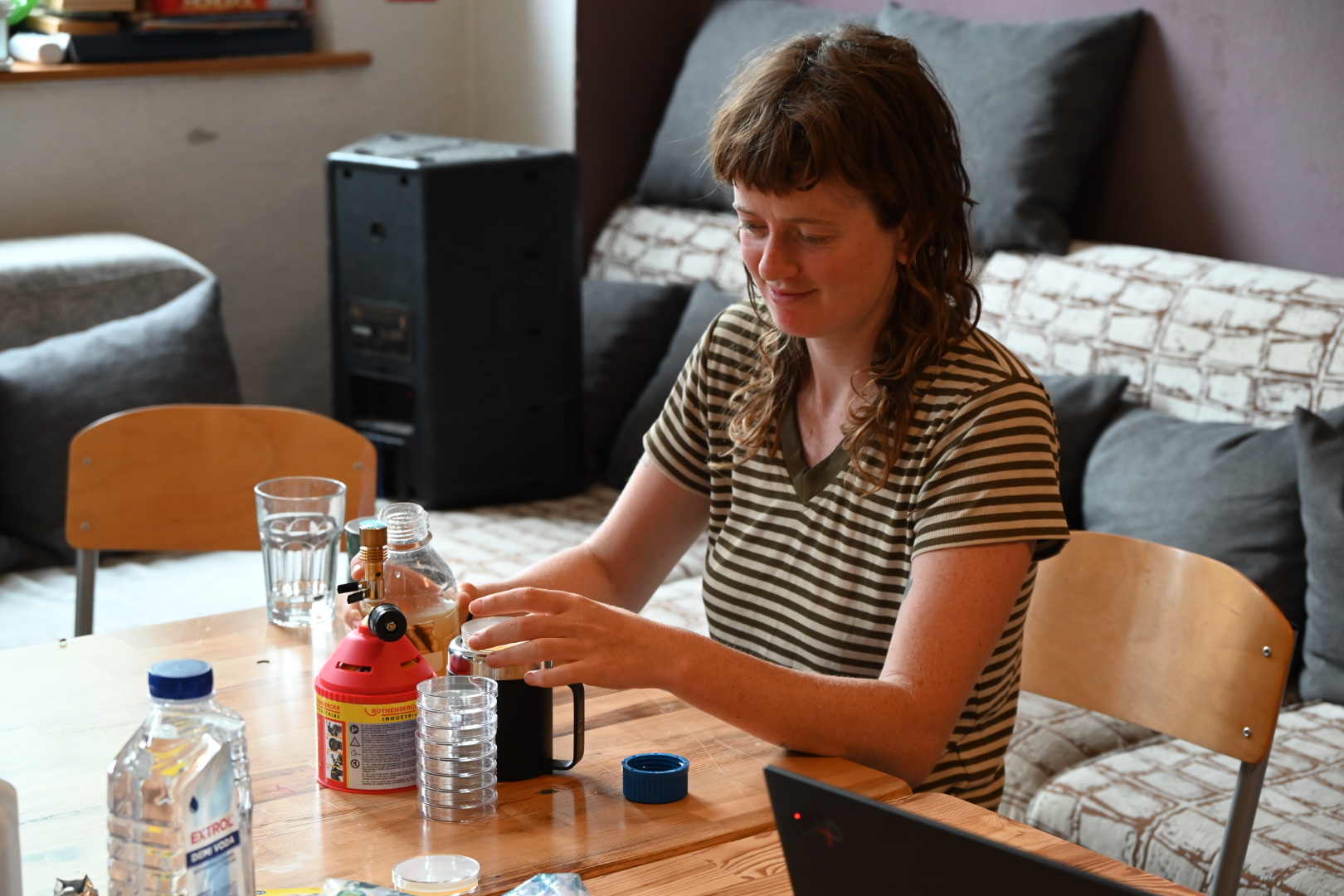
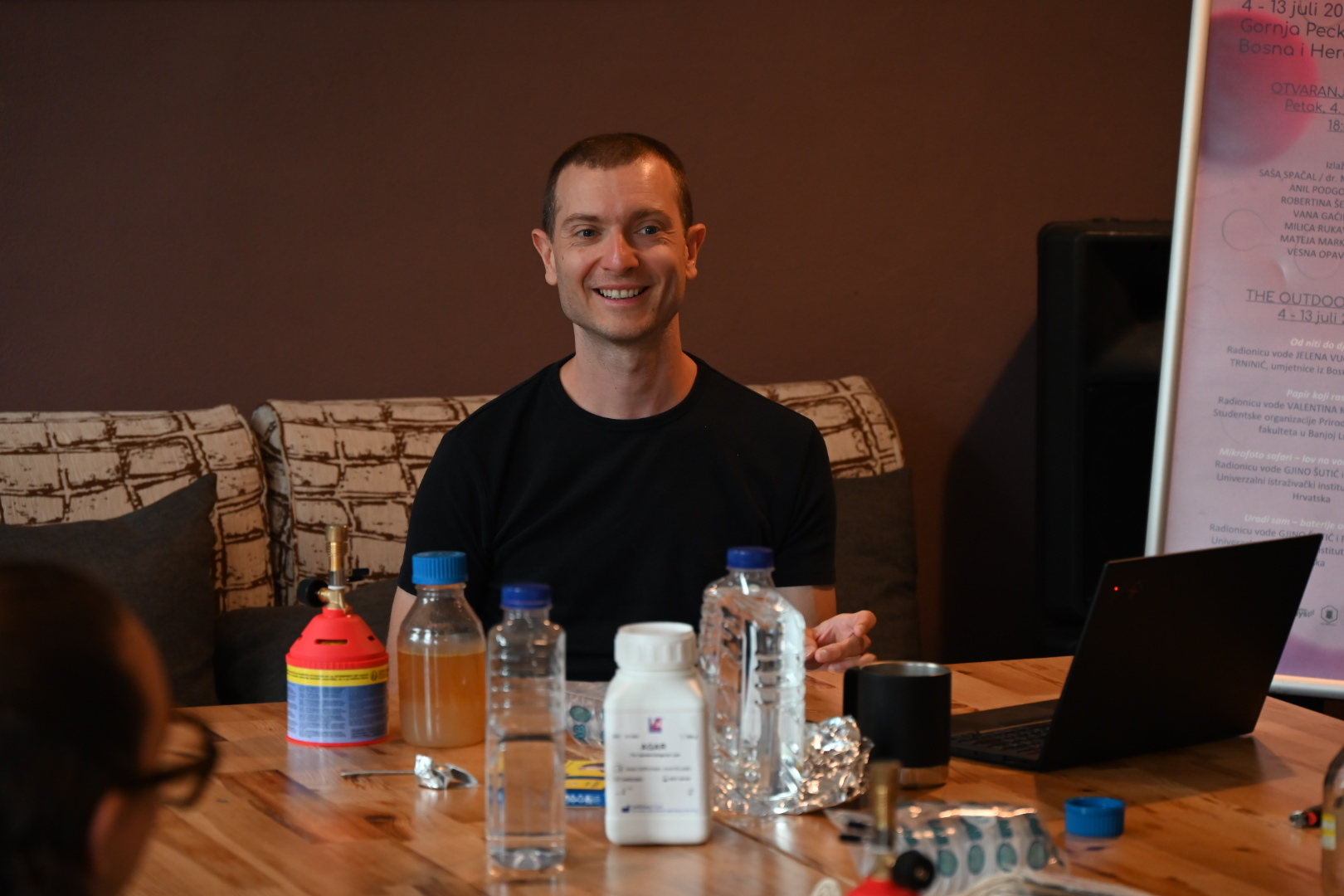
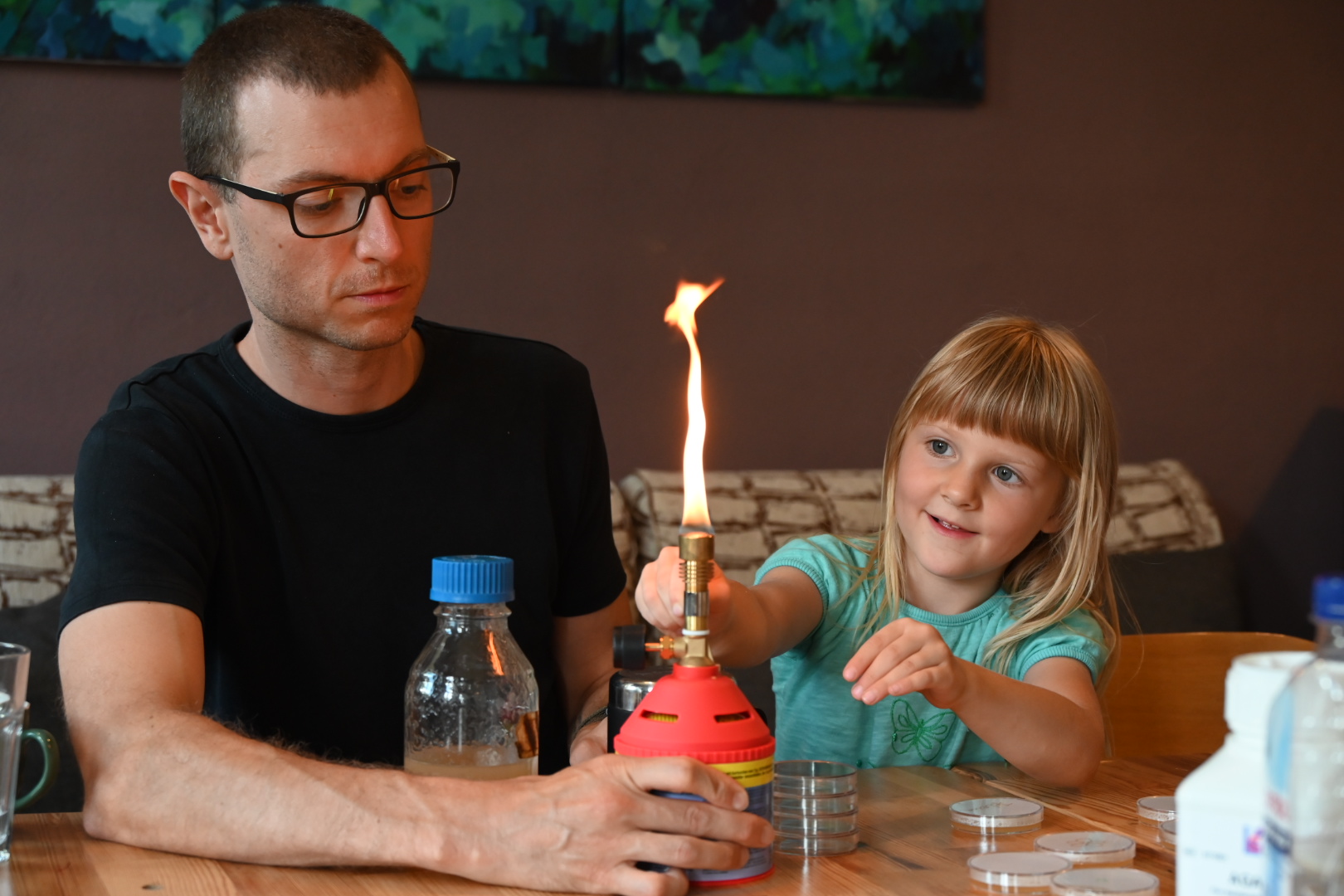
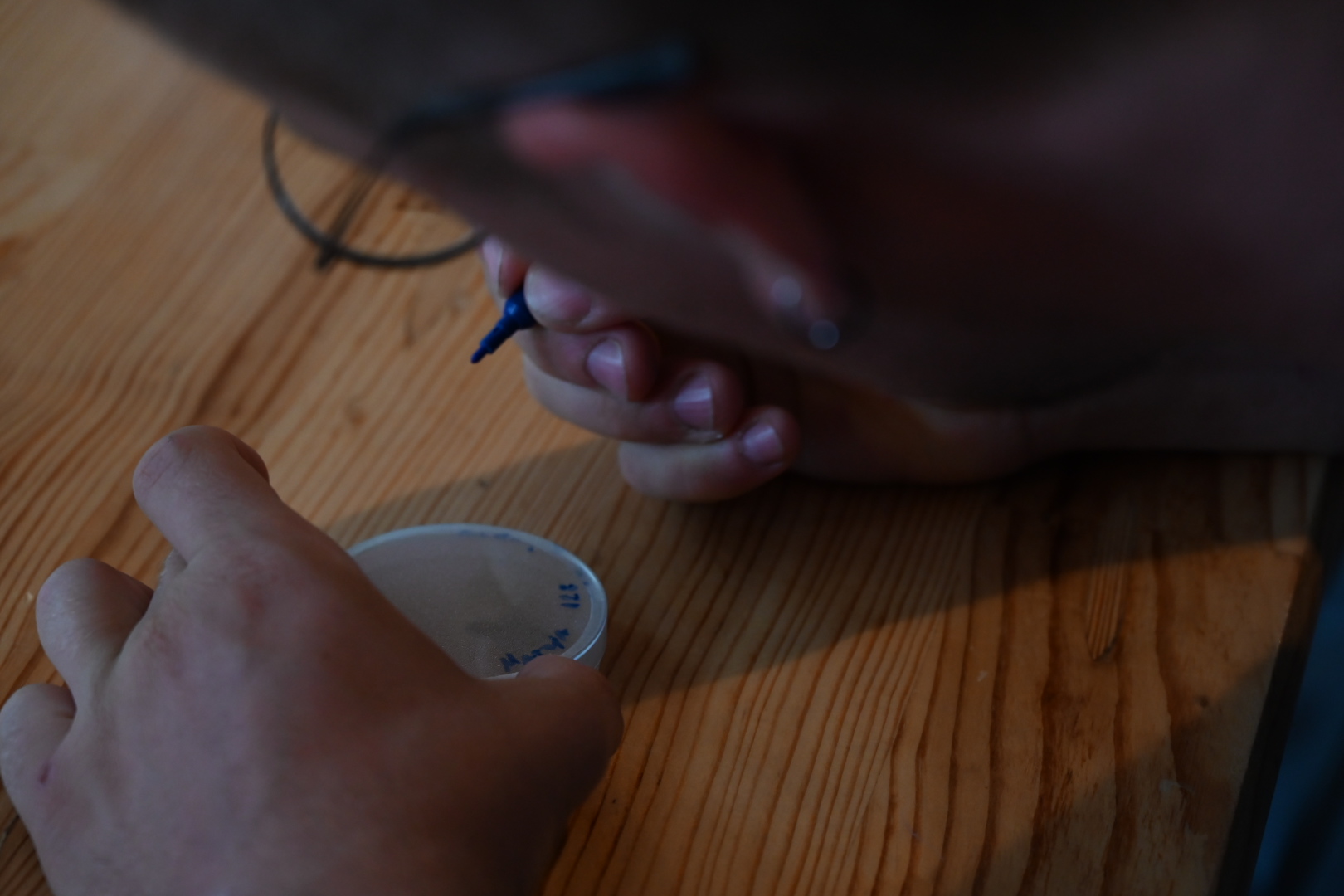
This workshop will introduce participants to the diverse approaches artists employ to integrate living systems within their artistic practice. The session will begin by showcasing compelling contemporary investigative art projects, highlighting collaborative processes between artists and scientists. Inspired by some art projects, we’ll then delve further into the world of microorganisms through hands-on experience, covering their fundamental workings, cultivation techniques, and essential (DIY) lab equipment.


ABOUT THE MENTOR
Kristijan Tkalec (SI) is a biotechnologist and has been working as the expert head of BioTehna – Laboratory for Artistic Investigation of Living Systems and chief mentor of an investigative learning programme at Kersnikova Institute since 2013. He has facilitated and conducted a wide range of projects, workshops, and experiments in the field of DIYbio, biotechnology, and biochemistry, and has collaborated with several artists, DIYbio initiatives and communities. He co-conceptualised and led numerous workshops for diverse audiences at Kersnikova Institute and has co-developed a series of workshops for educators and teachers in collaboration with the National Education Institute Slovenia
The microworld of mold
Workshop led by MILICA RUKAVINA, Biostart participant, Reaktor
SUNDAY, 13 July
Workshop duration: 60 min
Age group: 8-14y
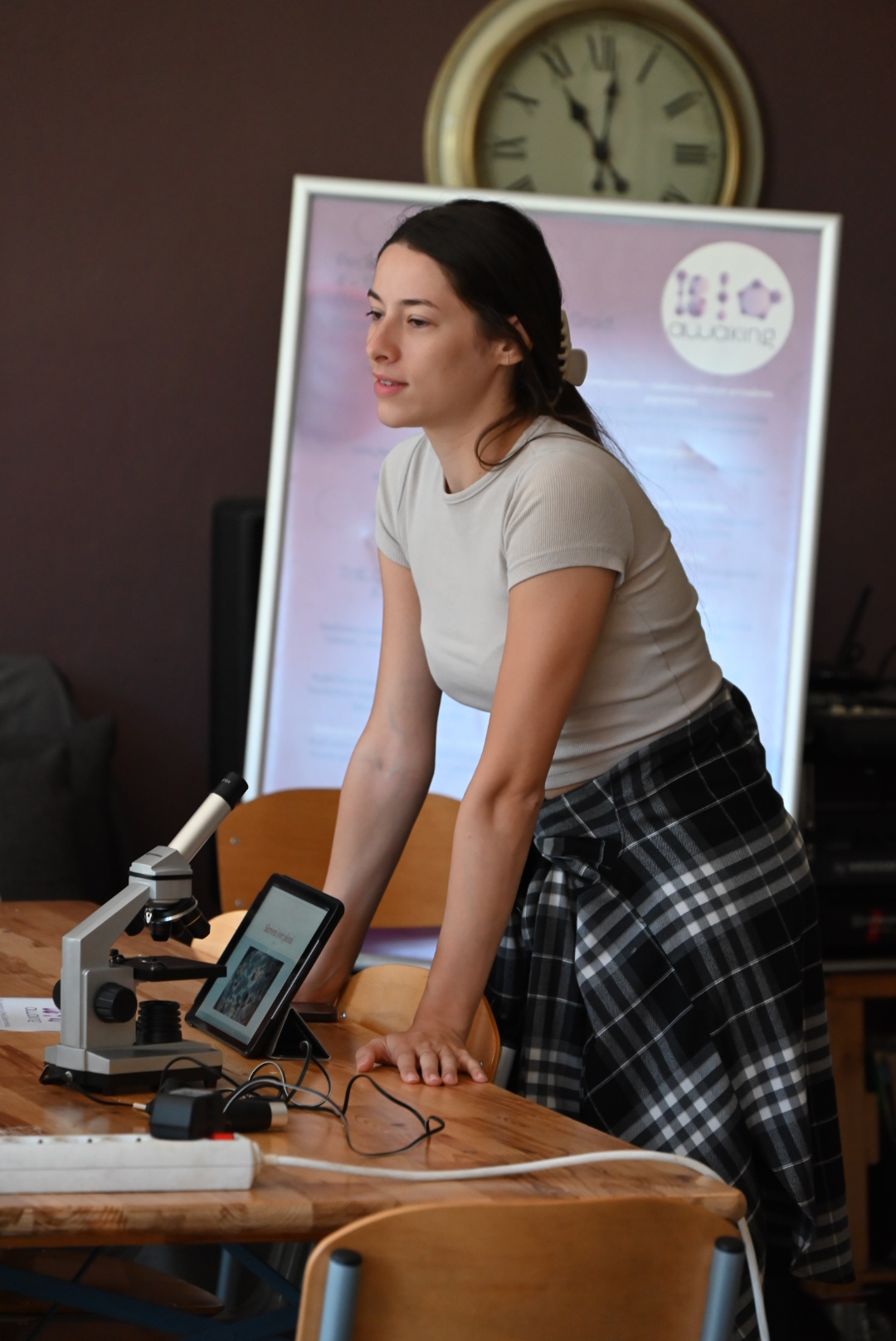
The educational workshop “The Microworld of Mold” is designed to introduce children to the fundamentals of microbiology through an engaging, hands-on exploration of their natural surroundings, with a particular focus on mold—ubiquitous microorganisms that often go unnoticed.
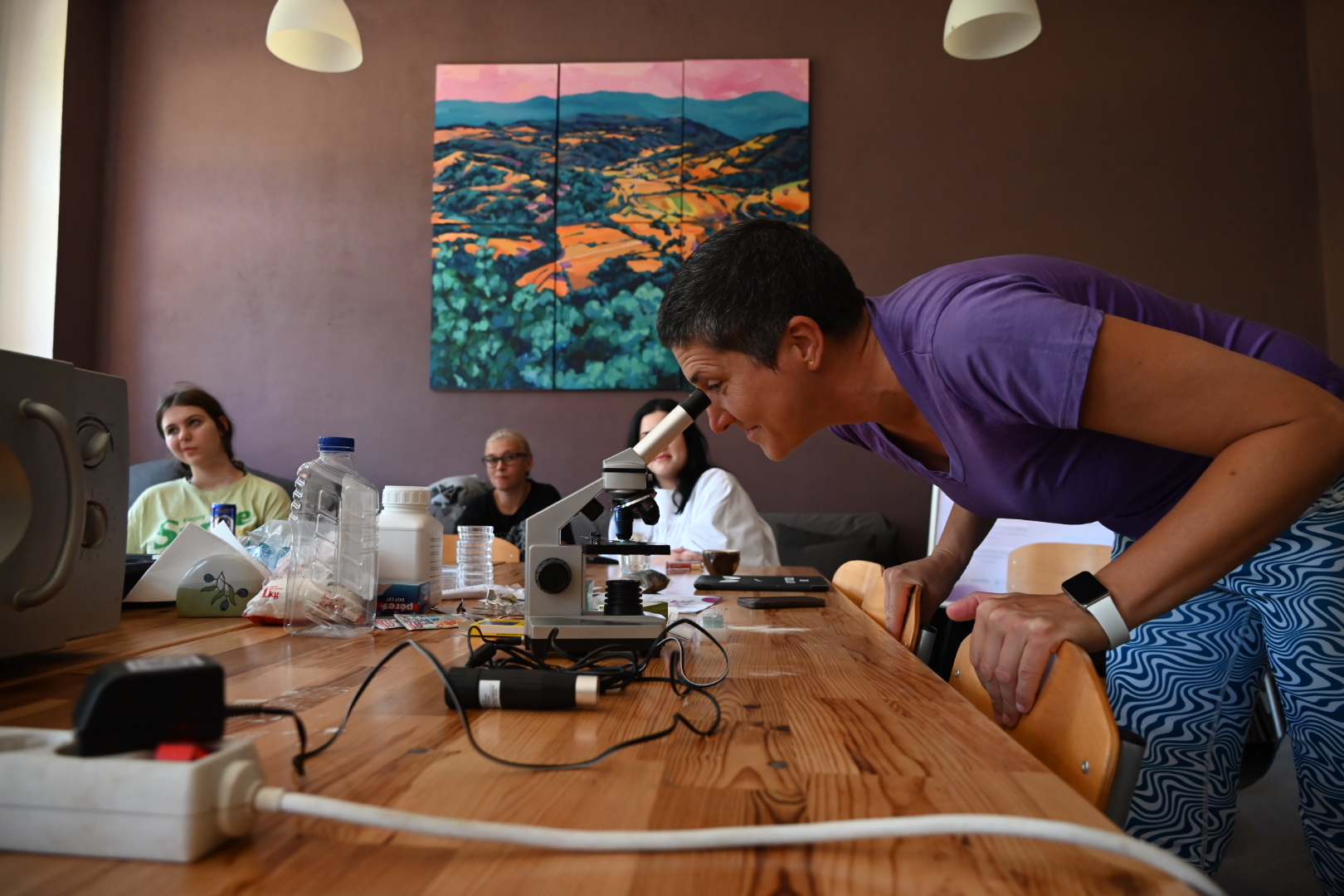
The session begins with a concise, informative presentation (up to 20 minutes) covering the basic types of mold, their ecological roles, and modes of reproduction. Following the introduction, participants will engage in guided fieldwork, collecting samples from their environment in search of naturally occurring molds. Depending on the available technical conditions, collected specimens will be examined using a microscope or magnifying lens, providing children with direct insight into microbial life.
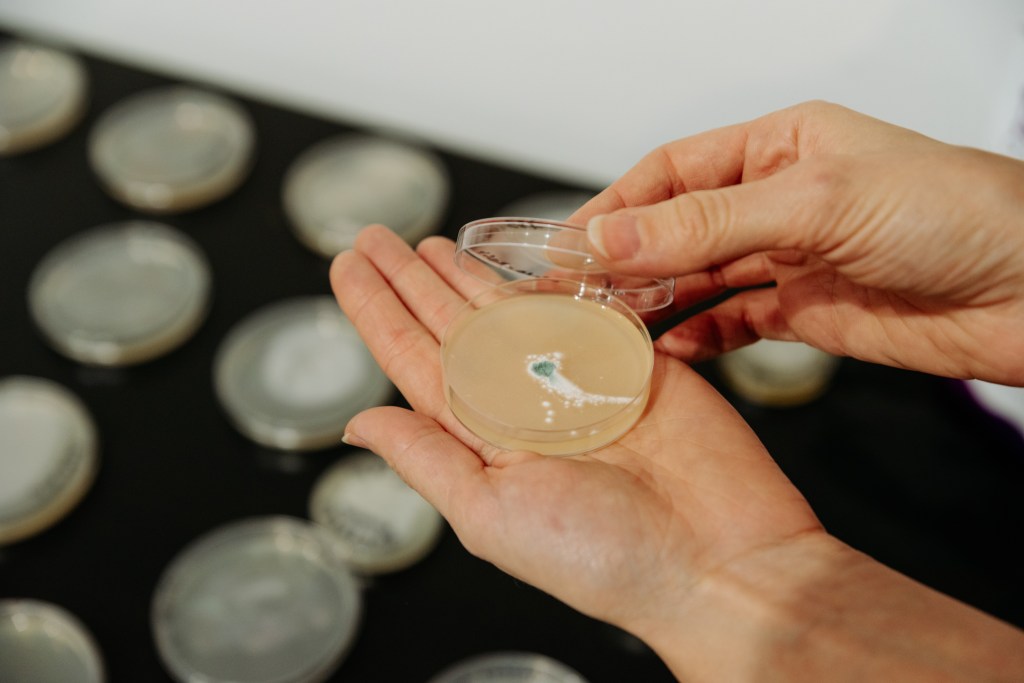
As a takeaway, each participant will receive three petri dishes containing nutrient agar, enabling them to attempt independent cultivation of mold samples at home and observe their development over the following days.




ABOUT THE MENTOR
Milica Rukavina (RS) is from Subotica and is 25 years old. She is a student at the Faculty of Sciences, University of Novi Sad, specializing in Biology. Her passion for microbiology dates back to high school, where she participated in various biological science competitions. In her fourth year of studies, she had the opportunity to approach science from a different perspective by working on a bioart project. The perspectives of artists at that time opened new possibilities for her to explore the science she studies and its close connection to art. Motivated by many artists and scientists, she eagerly joined the BioAwaking project, which inspired the creation of her project titled “Box of Realities.”

ROUND TABLE WITH PROJECT PARTICIPANTS
Moderator: Milica Rašković (RS);
Participants: Nastja Ambrožič (SI) Maja Halilović (BH), Phyllis Januel (FR), Mateja Marković and Milica Rukavina (RS);
SUNDAY, 13 July
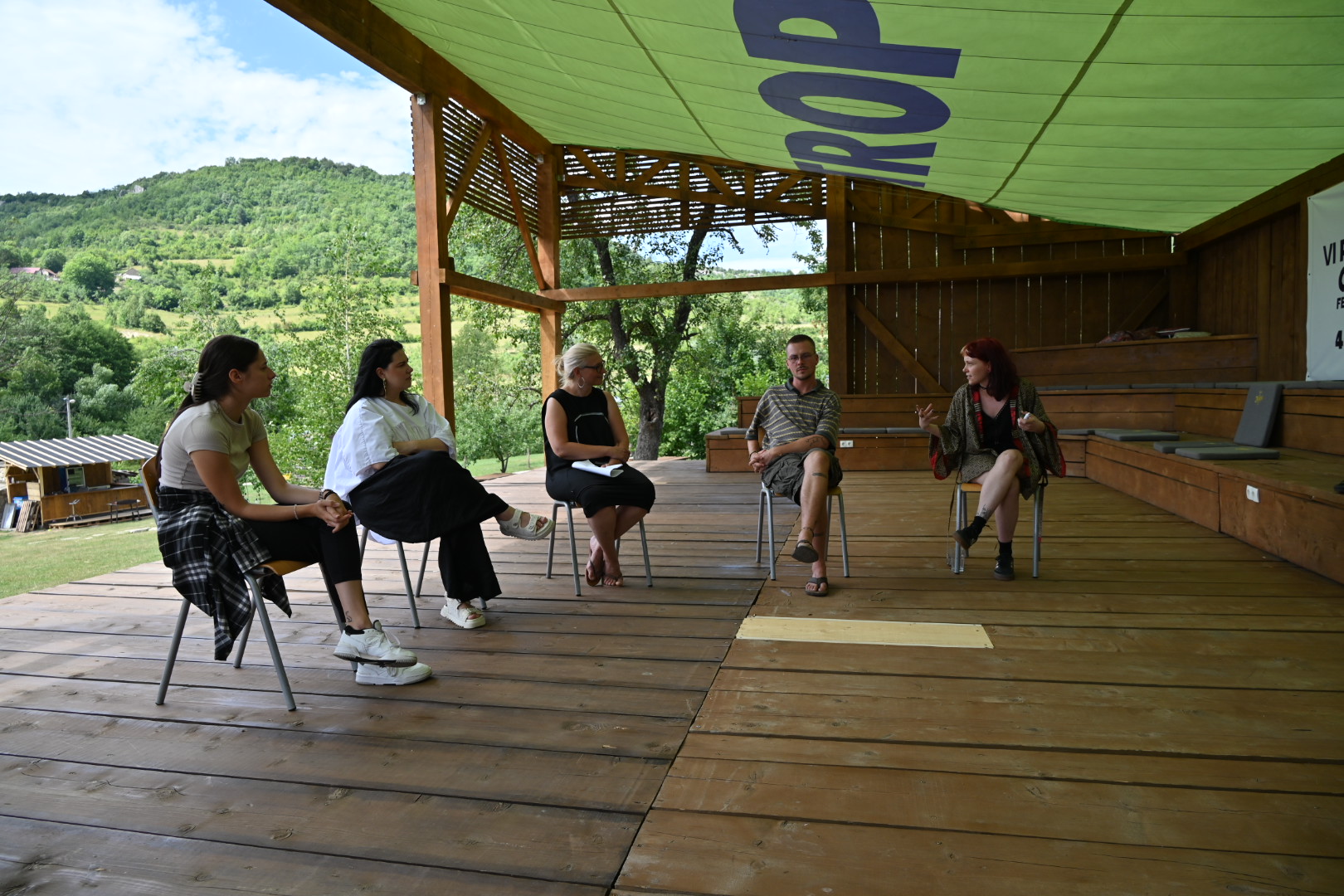
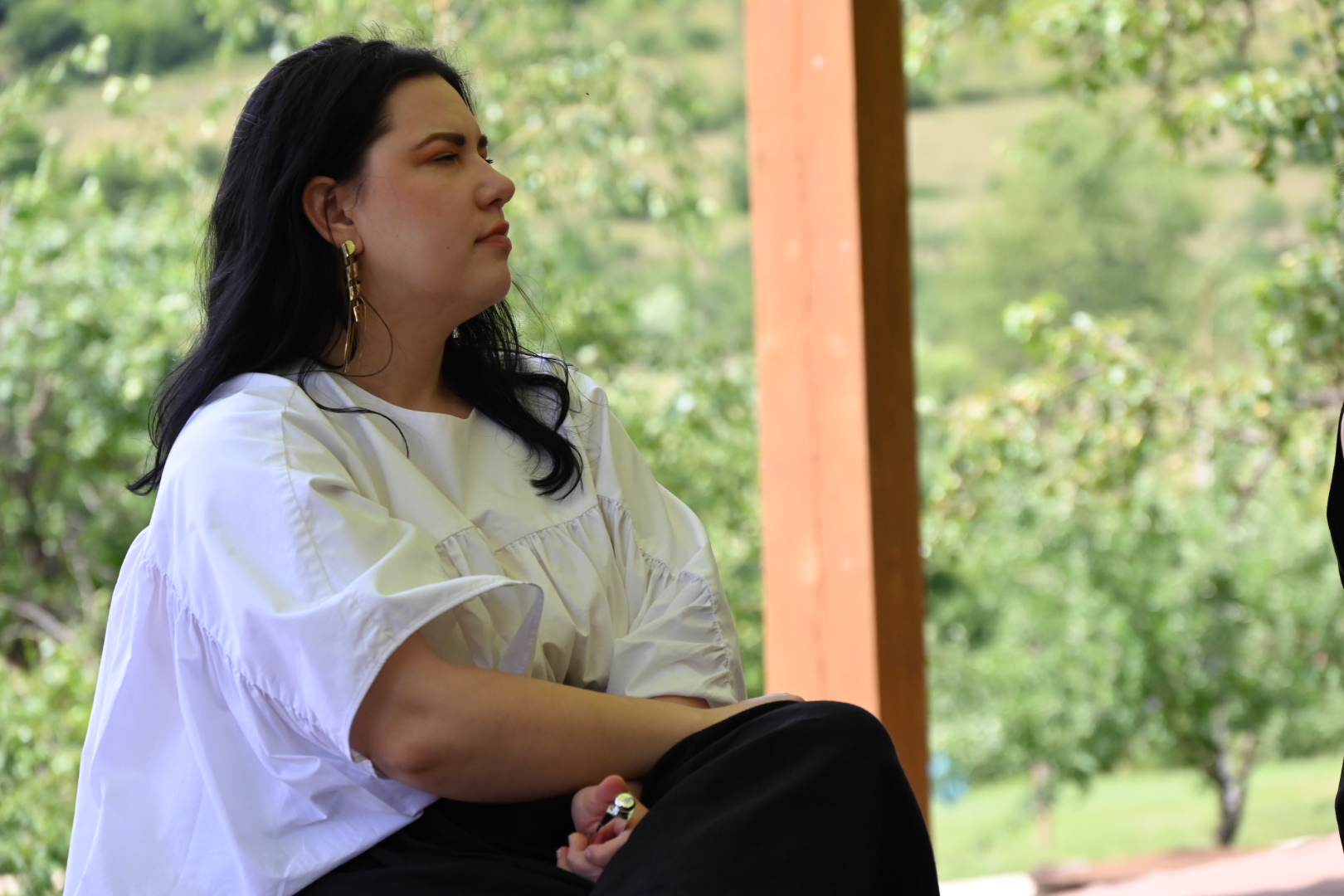
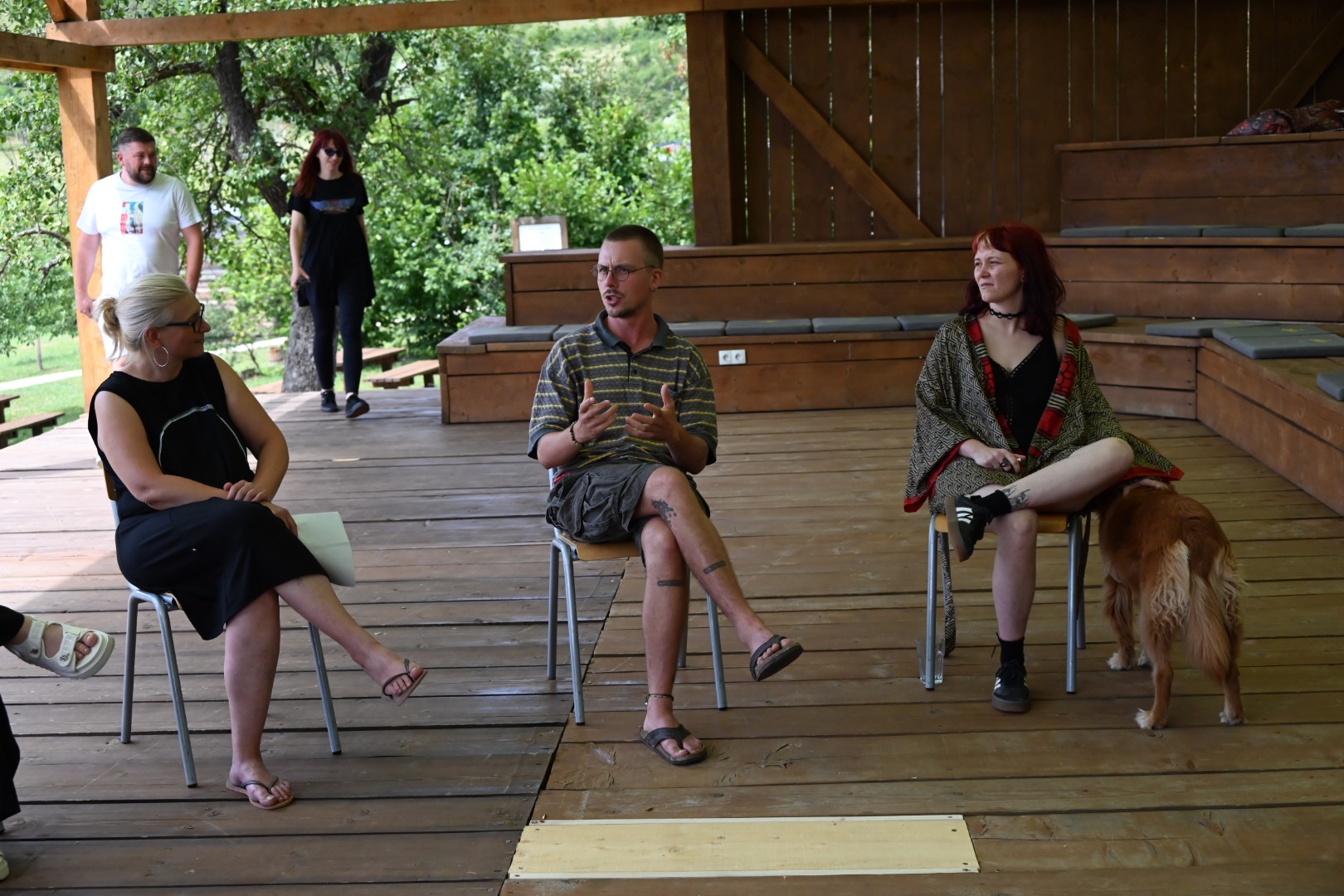
The Round Table with participants, brings together emerging and established practitioners working at the intersection of art, design, science, and technology. Participants include Maja Halilović (BH), a biodesigner transforming organic waste into innovative materials; Phyllis Januel (FR), a designer exploring rural sustainability and care practices; Milica Rukavina (RS), a biologist bridging microbiology and artistic experimentation; Mateja Marković (RS), a new media artist exploring bioethics through research – interviews, and critical reflection on our relationship with life and Nastja Ambrožič (SI), an intermedia artist and educator whose practice blends art, ecology, biology, and DIY technology. The discussion opens space to rethink materials, methods, and the ethics of creative practice in a post-disciplinary world.
THE MOBILE LAB
The BioTehna Mobile Laboratory / Mobile Lab (September 2024) workshops will provide participants with the opportunity to engage in contemporary artistic practices involving biomaterials and living organisms. Led by experienced biotechnologists and scientists, the workshops will provide practical experience in working with biomedias, offering insight into laboratory protocols, while uncovering interesting and practical sides of science.
Applications for Mobile Lab workshops are made via online forms found on the following link – HERE.
You can apply for multiple workshops.
Applications are open from 9 September 2024.
The application has been extended until September 19, 2024.
Find out more about the Mobile Lab workshops below in the PROGRAM.
About the BioTehna Mobile Lab
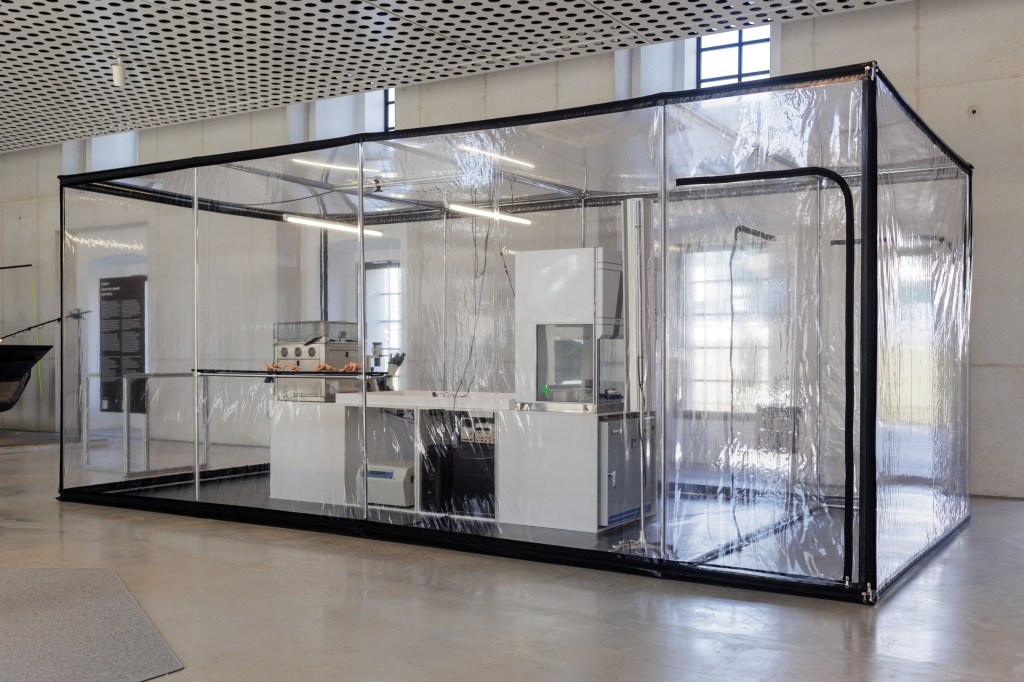
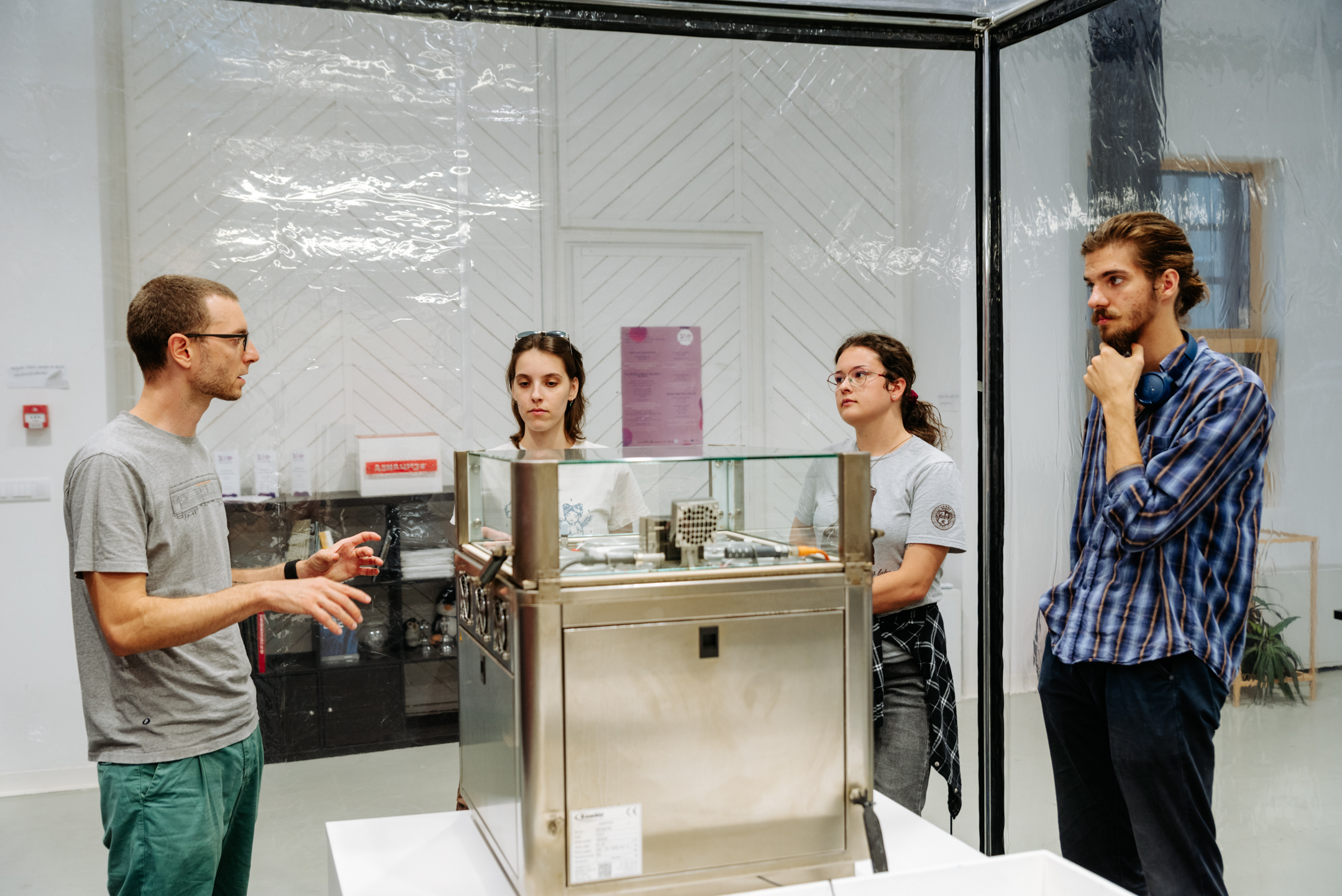
To accommodate specific biotechnical requirements and working conditions for preparing and presenting artworks that incorporate delicate biomedia within art venues that cannot meet such needs, Kersnikova Institute (Ljubljana, SI) has developed the Mobile Lab. This non-stationary, modular extension of their physical Laboratory for Artificial Life provides artists and researchers working with biomedia a controlled environment for the development, experimentation, and production of their art projects. The BioTehna Mobile Lab is a state-of-the-art, level 2-ready mobile laboratory equipped with scientific equipment, designed to offer an on-site experimental and production facility for artists working with biomedia. The Mobile Lab can also be used for educational workshops and other hands-on activities that bridge scientific and artistic methodologies.
The program of the BioTehna Mobile Lab
The BioTehna Mobile Lab will be set up for 2 weeks (20 Sep – 4 Oct 2024) during the Kaleidoscope of Culture festival at SKUP atelier, where workshops led by experienced biotechnologists and scientists from Kersnikova and UR Institute will take place. With presentation of the Mobile Lab facility, introduction to the BioLab work, and other workshops we’ll provide an insight to the participants and visitors into contemporary art practices involving research and work with biomaterials and living organisms.
The BioTehna Mobile Laboratory PROGRAM
September 21 – October 4 2024
SKUP, Creative District, Novi Sad, Serbia
Bulevar despota Stefana 5.
Intro to BioLab work (DIY & professional settings)
Workshop led by Kristijan Tkalec (Kersnikova Institute) and Gjino Šutić (Universal Research Institute – UR Institute)
Saturday 21 September
16:00-17:00 and 18:00-19:00h
Saturday 28 September
17:00-18:00
Workshop duration: 60 min
What are the differences between biological engineering and avant-garde art? Are there any, or can we possibly merge the two into a creative melting pot of vast possibilities?
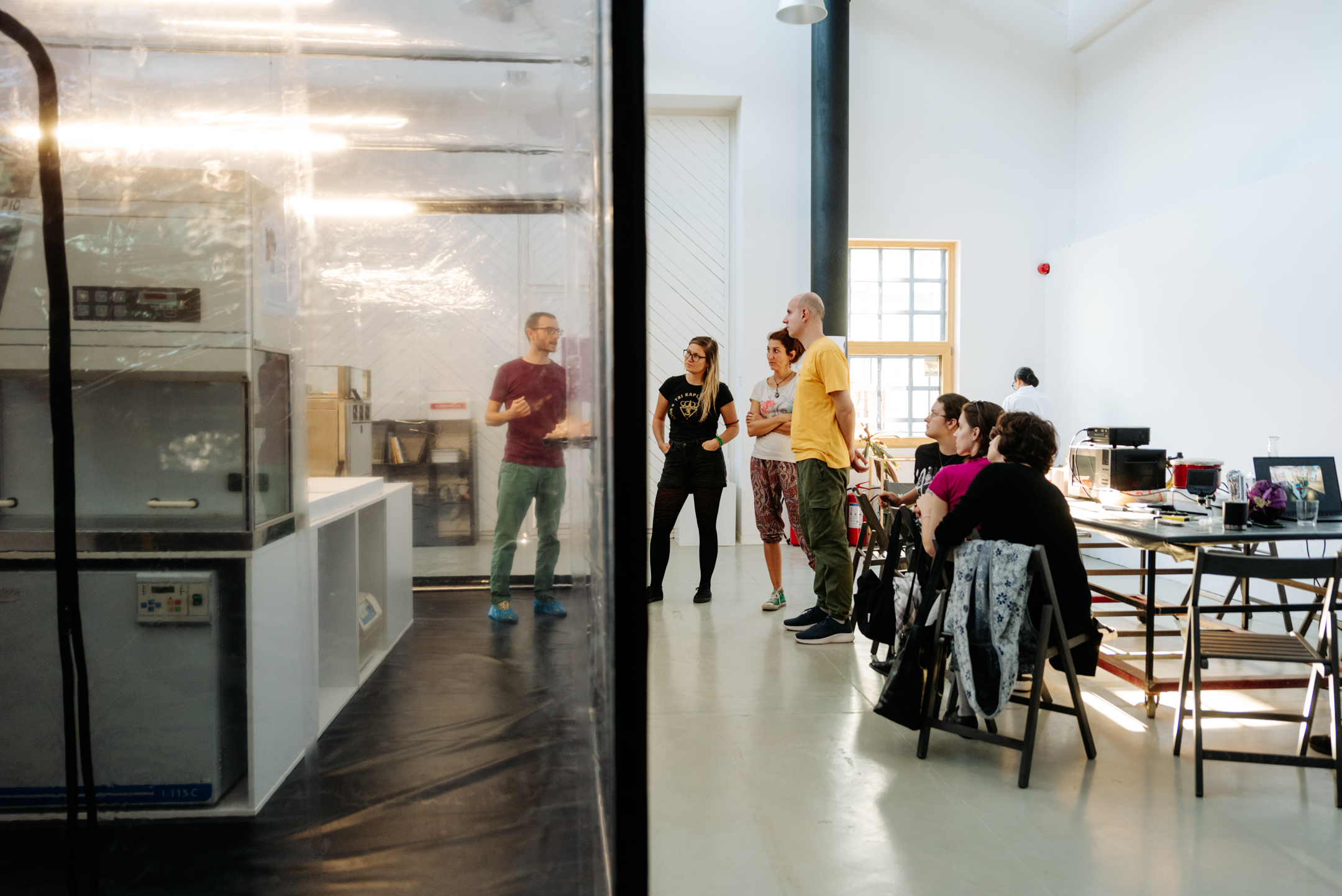
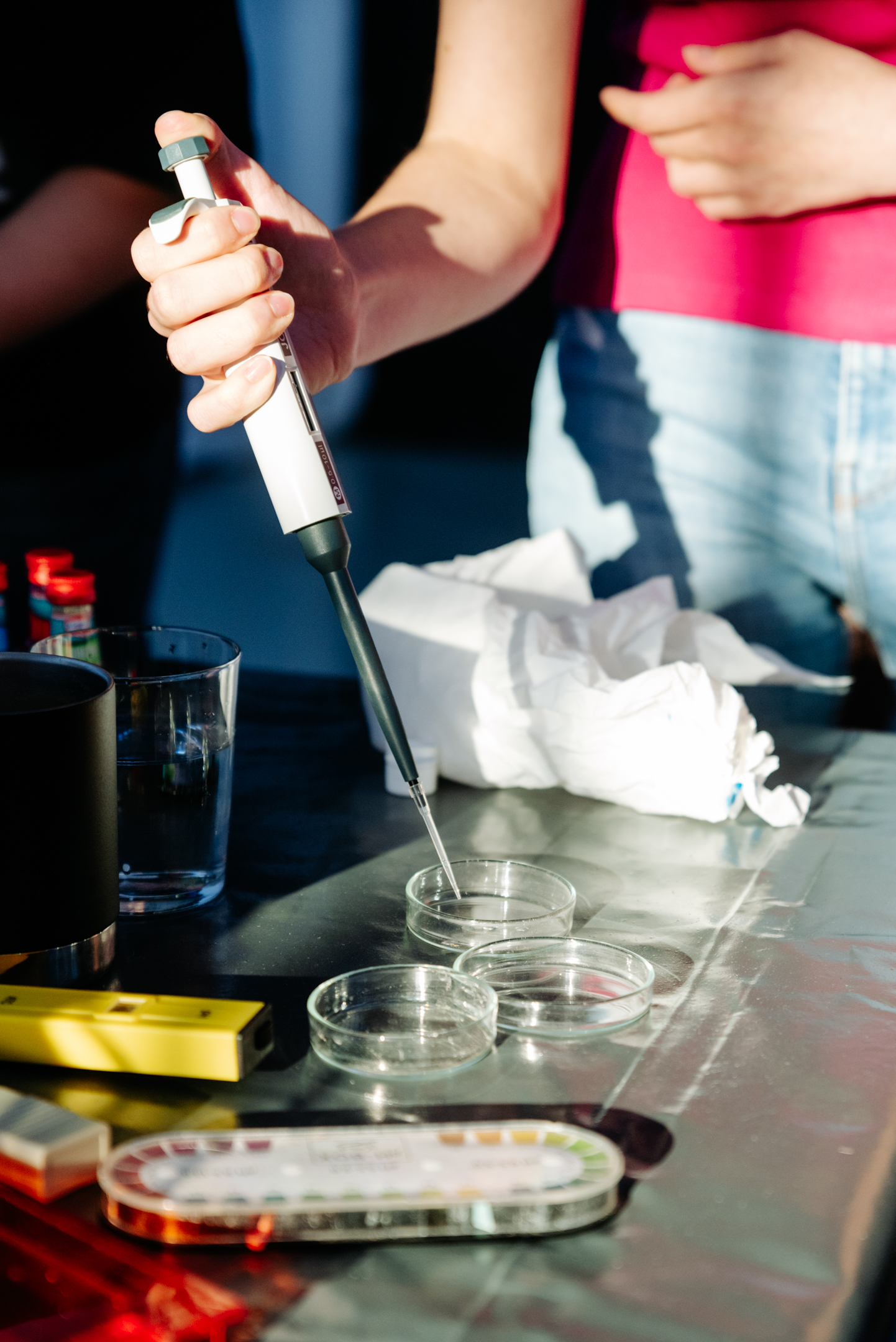
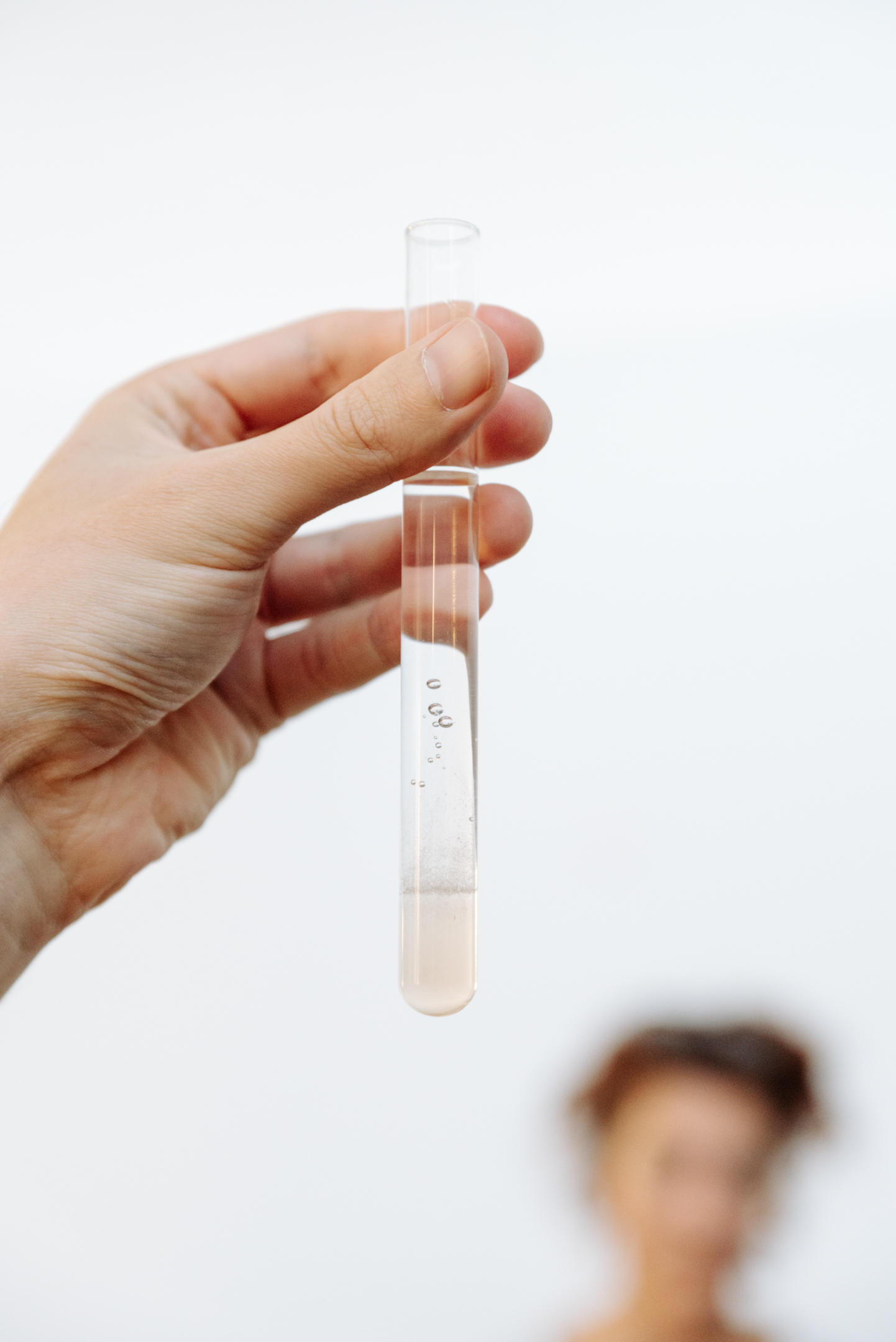
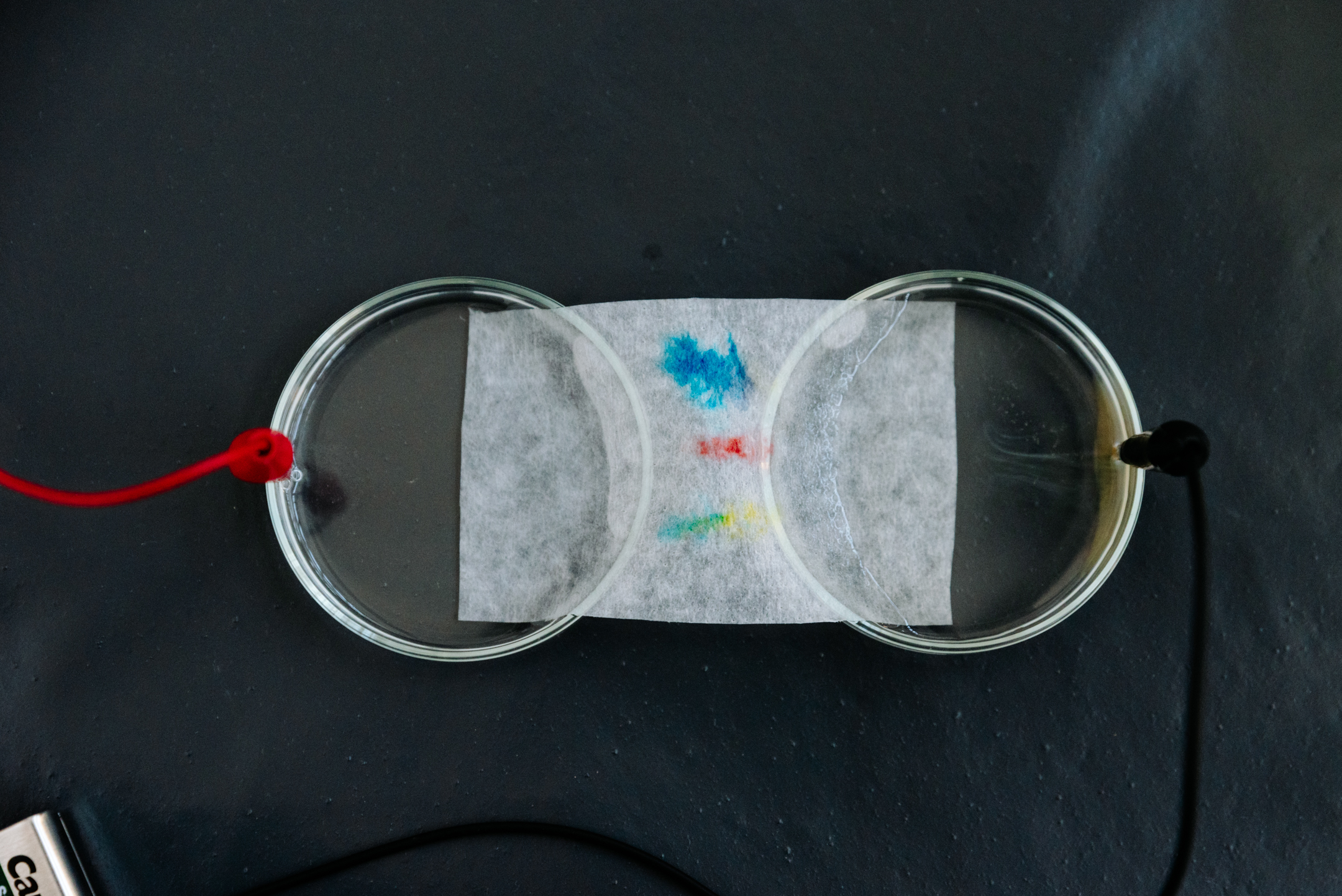
During the interactive guide, participants gained insight into cutting-edge biotechnological laboratories used for science+art exploration and were introduced to commercial equipment as well as its Do-It-Yourself replacements. The laboratory setting was explored, along with case study examples of technically advanced BioArt pieces produced at BiroTehna/Kersnikova Institute (SI) and UR Institute (HR). The interactive experience was wrapped up with a hands-on introduction to the molecular biology techniques most commonly used in genetic analysis and modification.



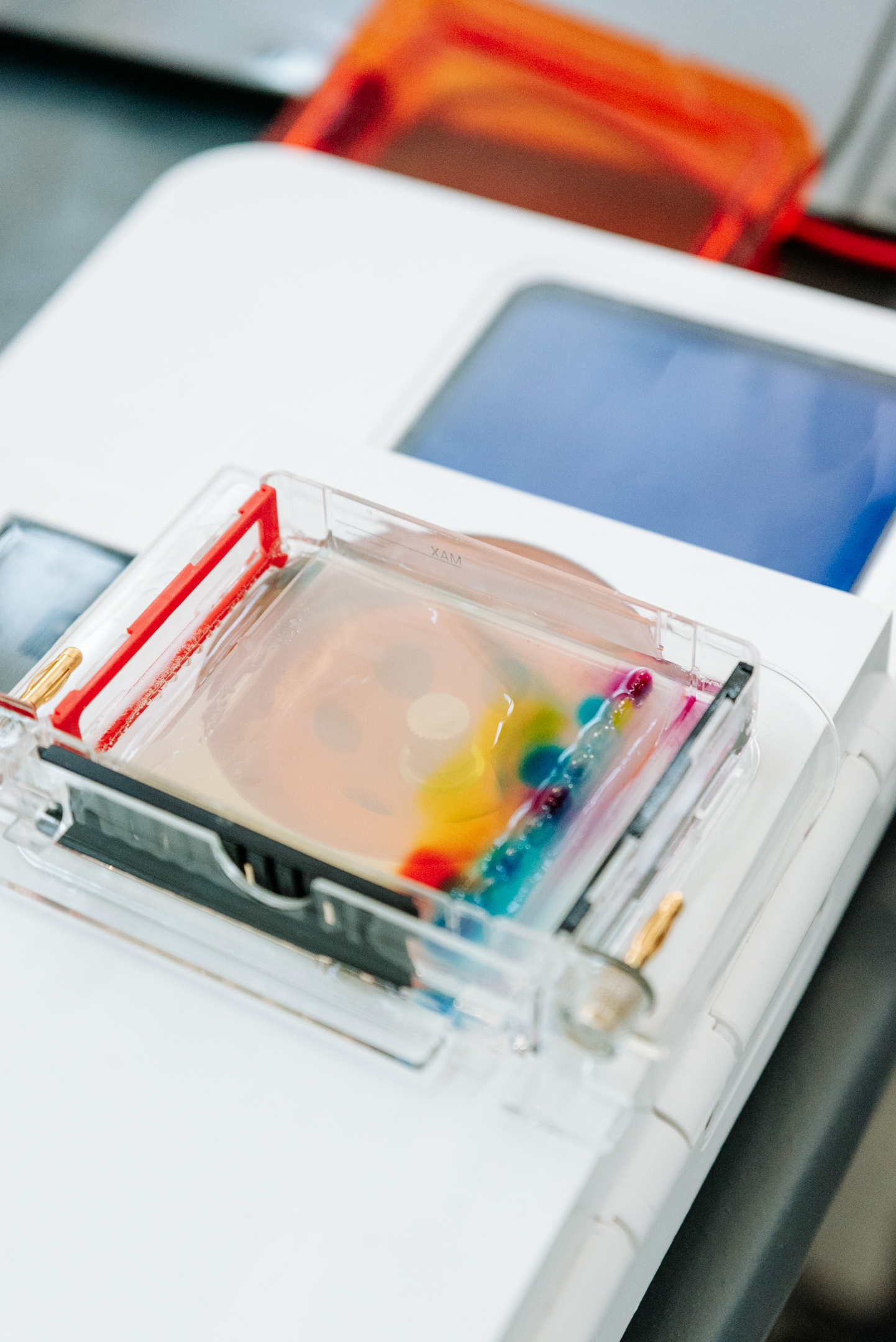
Cultivating Life: A Hands-On Cell Culture Experience
Workshop led by Kristijan Tkalec (Kersnikova Institute)
Monday 23 Septembar
11:00 – 11:40; 12:00 – 12:40 and 17:00 – 17:40; 18:00 – 18:40h
Tuesday 24 Septembar
11:00 – 11:40; 12:00 – 12:40 and 17:00 – 17:40; 18:00 – 18:40h
Workshop duration: 40 min
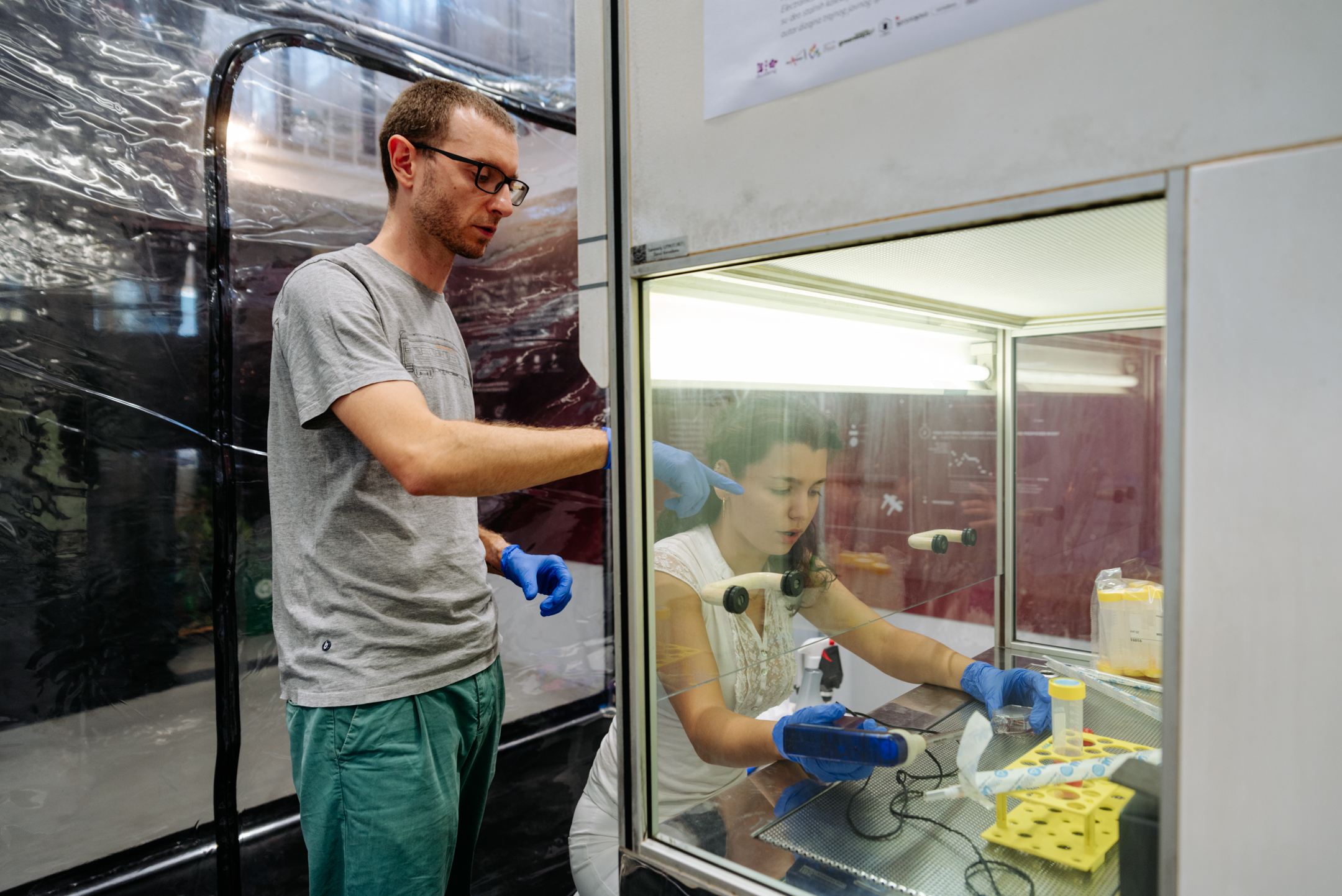
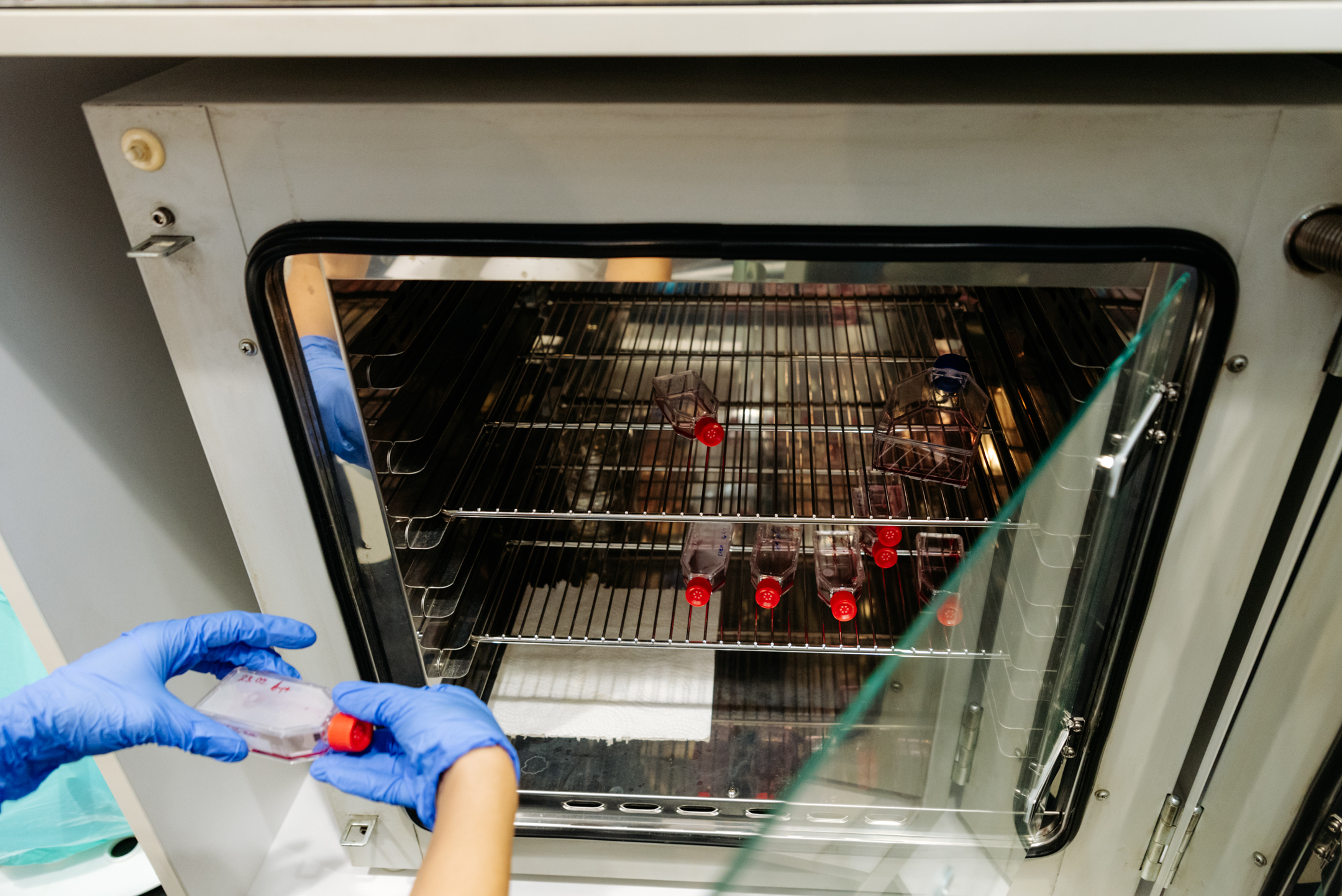
In this hands-on workshop, participants will gain a comprehensive understanding of handling and working with mammalian cells. We’ll cover everything from the essential equipment and lab conditions to the intricacies of aseptic technique, cell seeding, culture setup, cell viability, growth, maintenance, and troubleshooting. Beyond the practical aspects, we’ll delve into the underlying principles of cell culture, including terminology, basic cell biology, and growth requirements. Additionally, we’ll explore the potential applications of biomedia in an artistic context.


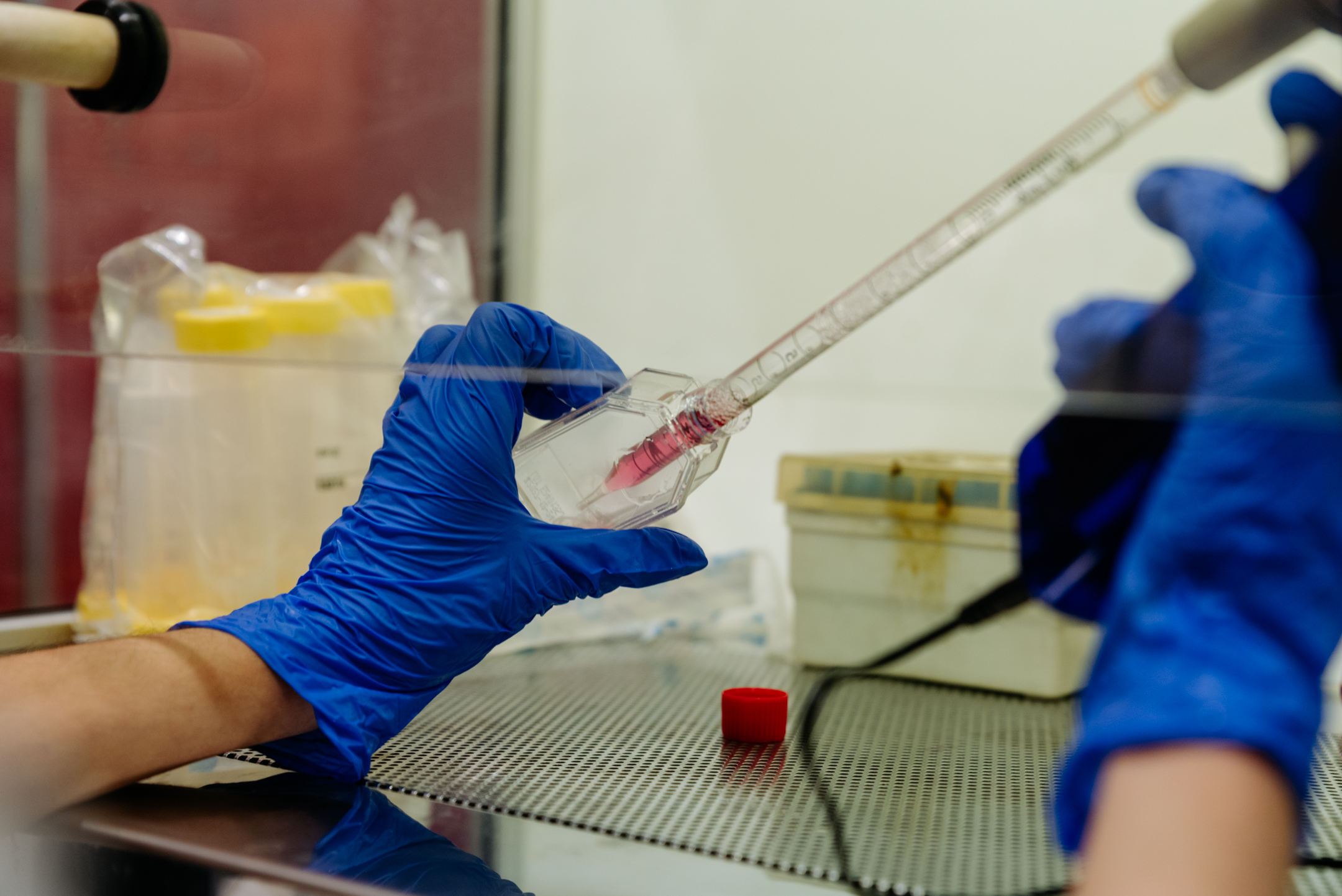


Intro to in vitro techniques (cells and tissues as biomaterial) for art and design
Workshop led by Gjino Šutić (Universal Research Institute – UR Institute) and Margherita Pevere
Thursday 26 September
18:00 – 21:00h
Workshop duration: 180 min
Gjino Šutić (biotechnologist & BioArt veteran), and Margherita Pevere (artist & researcher), will offer a hands-on and theoretical workshop about in vitro techniques for living cells and tissues in bioart and DIY (Do-It-Yourself) bio. Participants will learn how to extract living cells from mammalian tissues and cultivate them – to experiment with the production of tissues and biomaterials, or inquire about organ engineering, biorobotics, and prototyping. The workshop’s ‘guerrilla’ and ‘hacking’ techniques aim to highlight the principles of laboratory work and prompt a conscious understanding of biotech in the context of today’s challenges. Participants are then invited to design their own concepts and exhibit them as posters in the gallery.


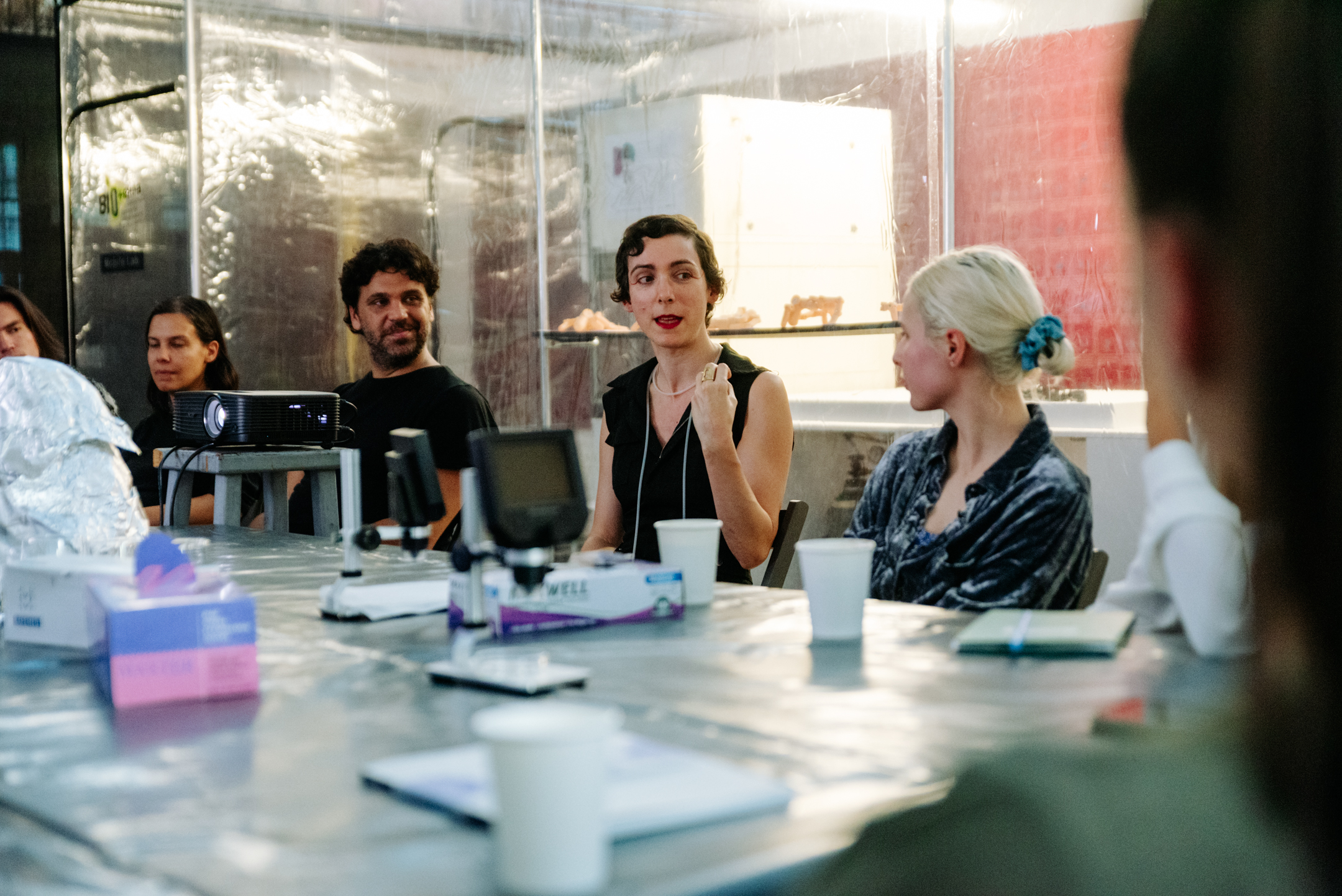
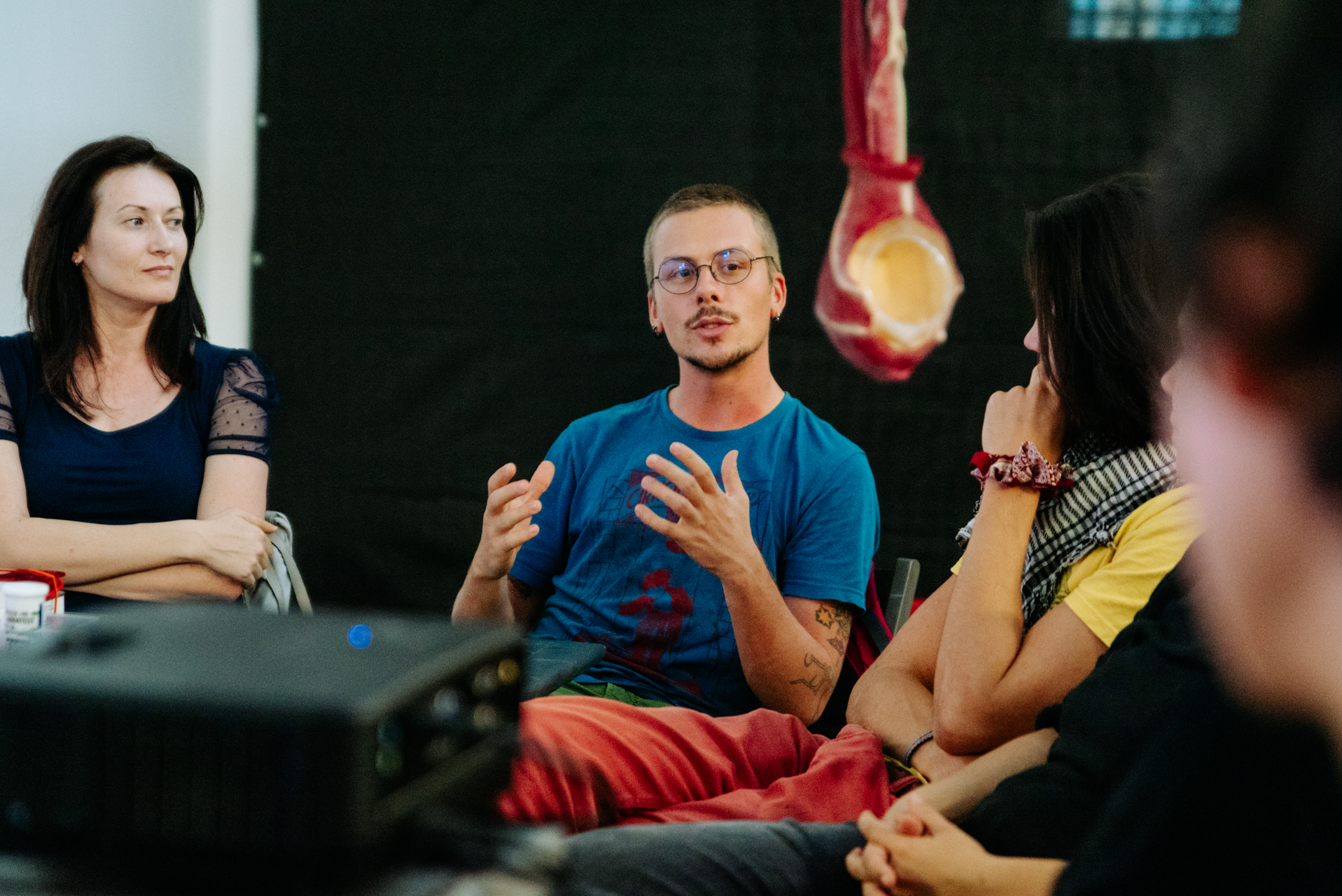

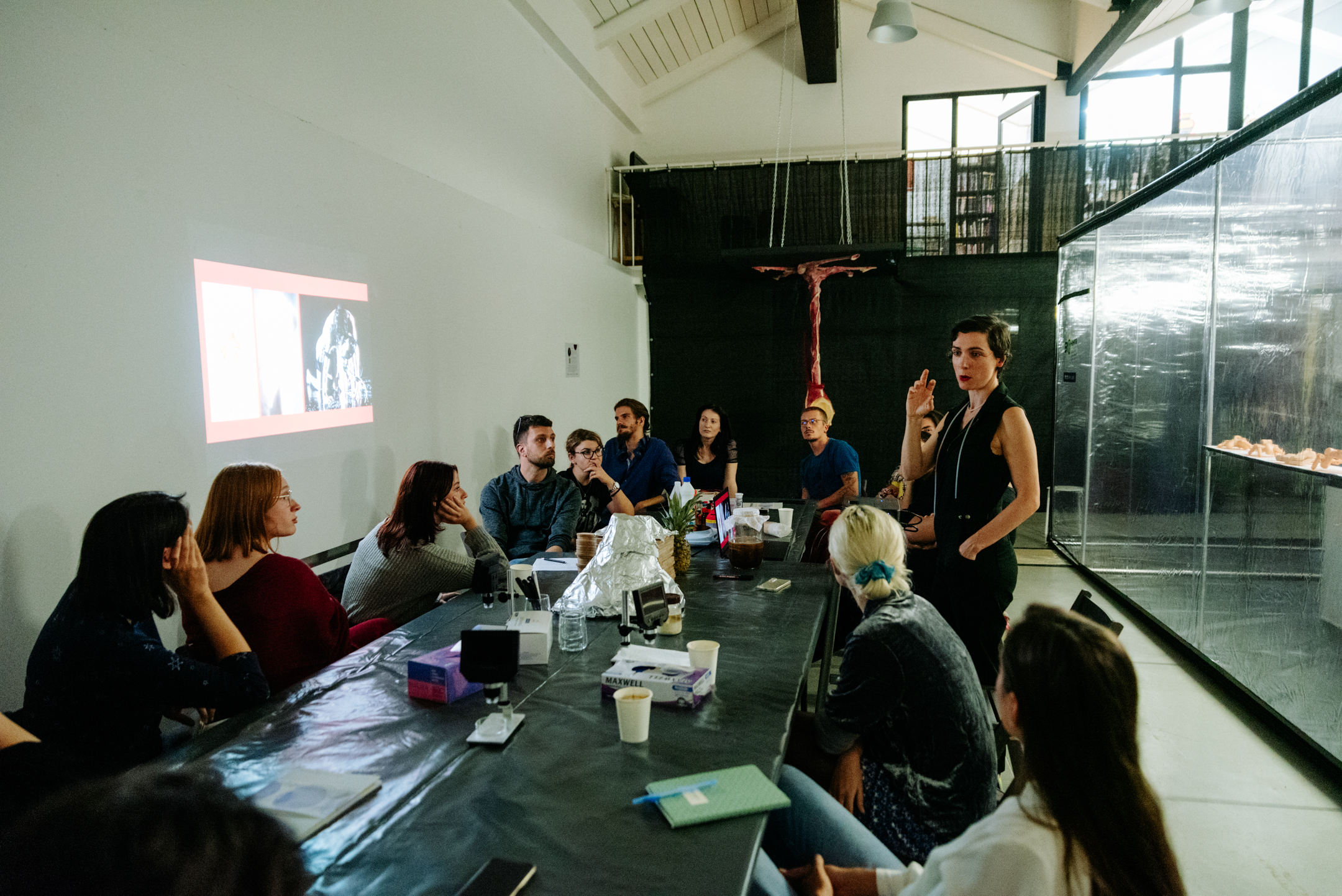

Environmental health – soil (DIY science / citizen science)
Workshop led by Gjino Šutić and Filip Grgurević (Universal Research Institute – UR Institute)
Friday 27 September
18:00 – 19:00h
Workshop duration: 60 min
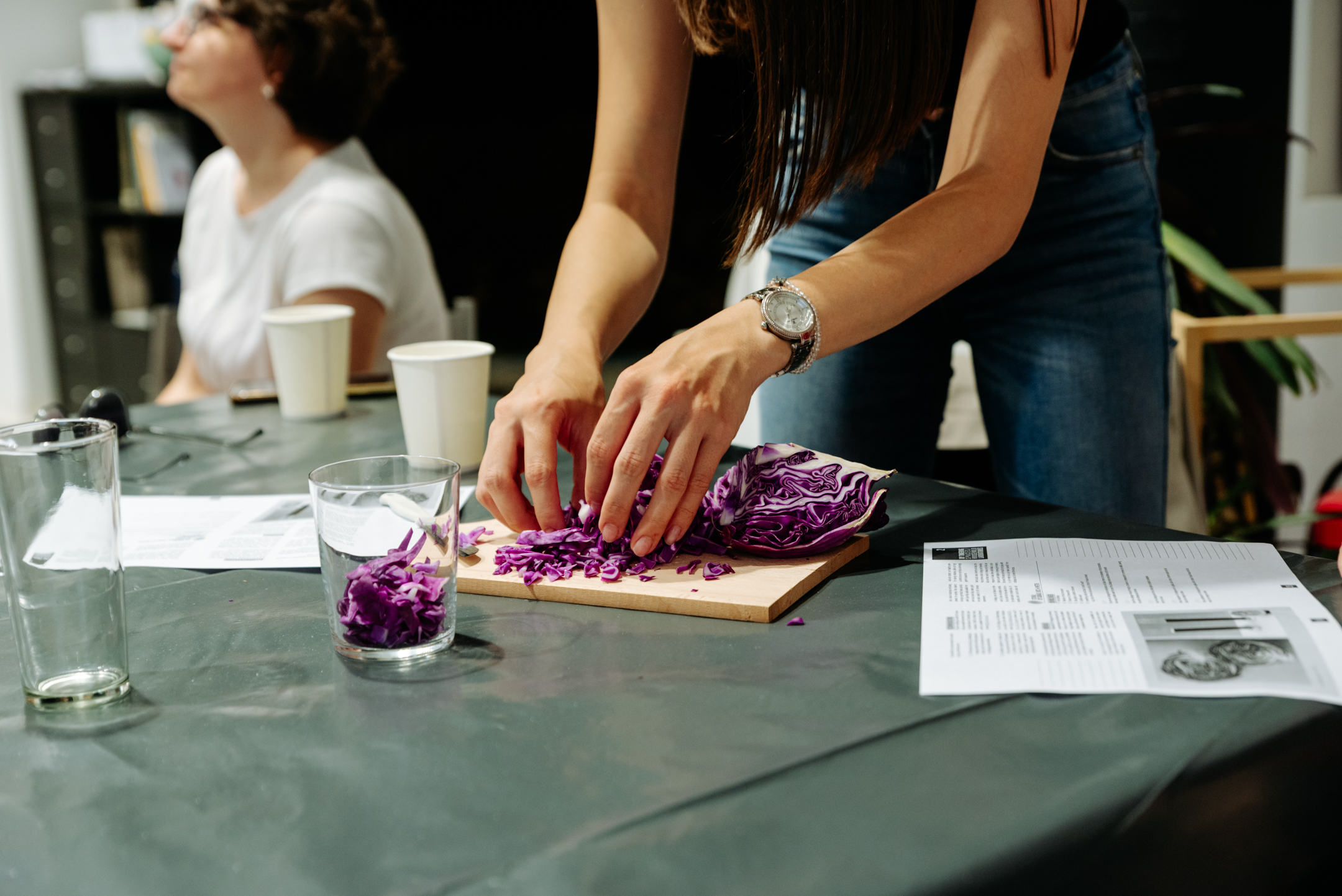
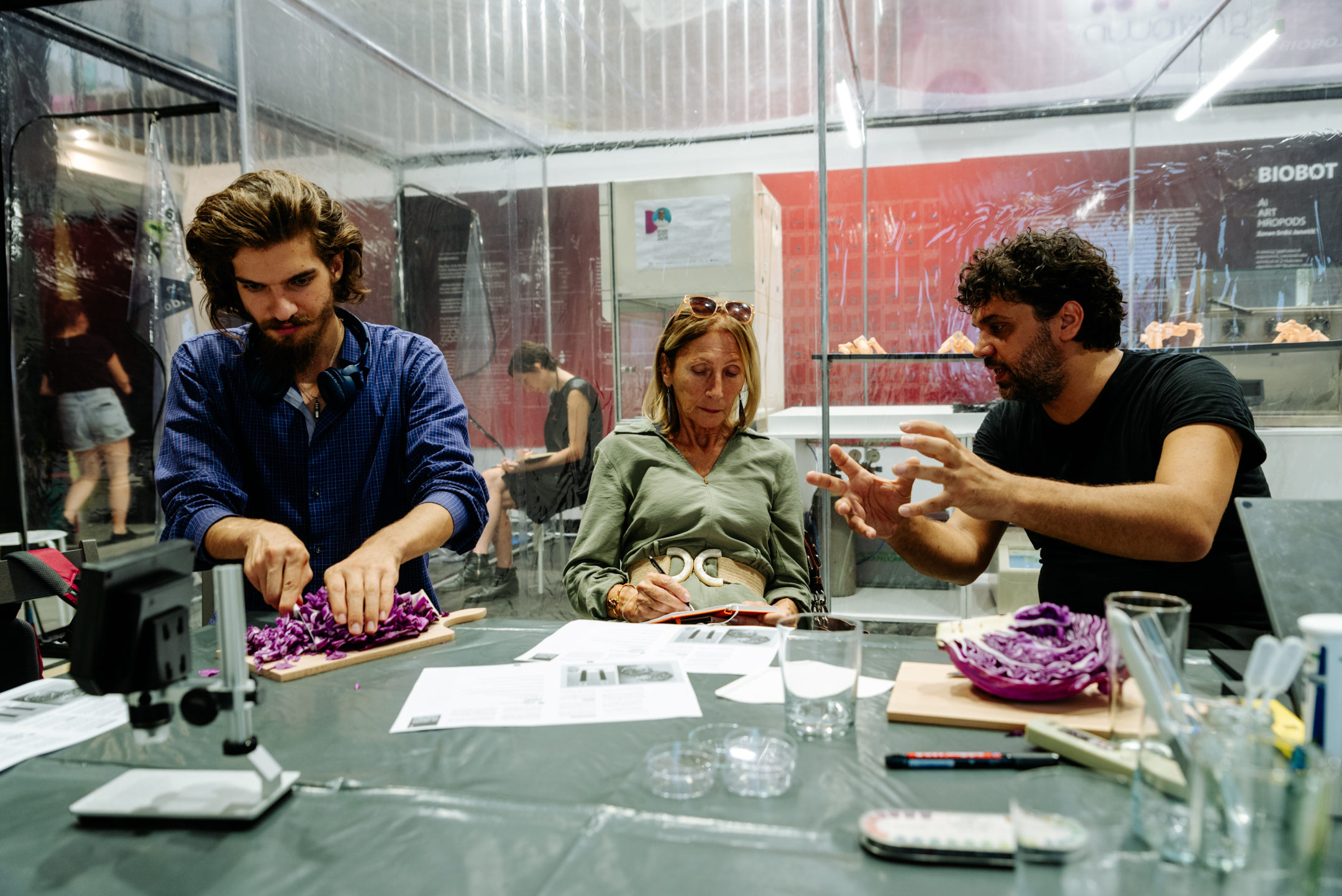
In this hands-on workshop participants will gain practical insight into invisible mysteries of the soil and parameters related to its health.
How can we do a chemical analysis of soil using everyday household items?
How can we analyze soil microbiomes and give visibility to invisible soil microorganisms at home?
How can we boost soil health?
Join us and find out..
The workshop is based on the workbook “Dive into the world of citizen science” developed by the workshop authors (co-funded by Erasmus+ project Dive in)




ROUND TABLE WITH ARTISTS
Moderator: Sonja Jankov (RS);
Artists: Zoran Srdić Janežič (SI), Dr Margherita Pevere (IT/DE), Dr Karolina Żyniewicz (DE/PL), Adrienn Újházi (RS/HU);
Saturday 28 September
18:00 – 19:00h
Talk duration: 60 min
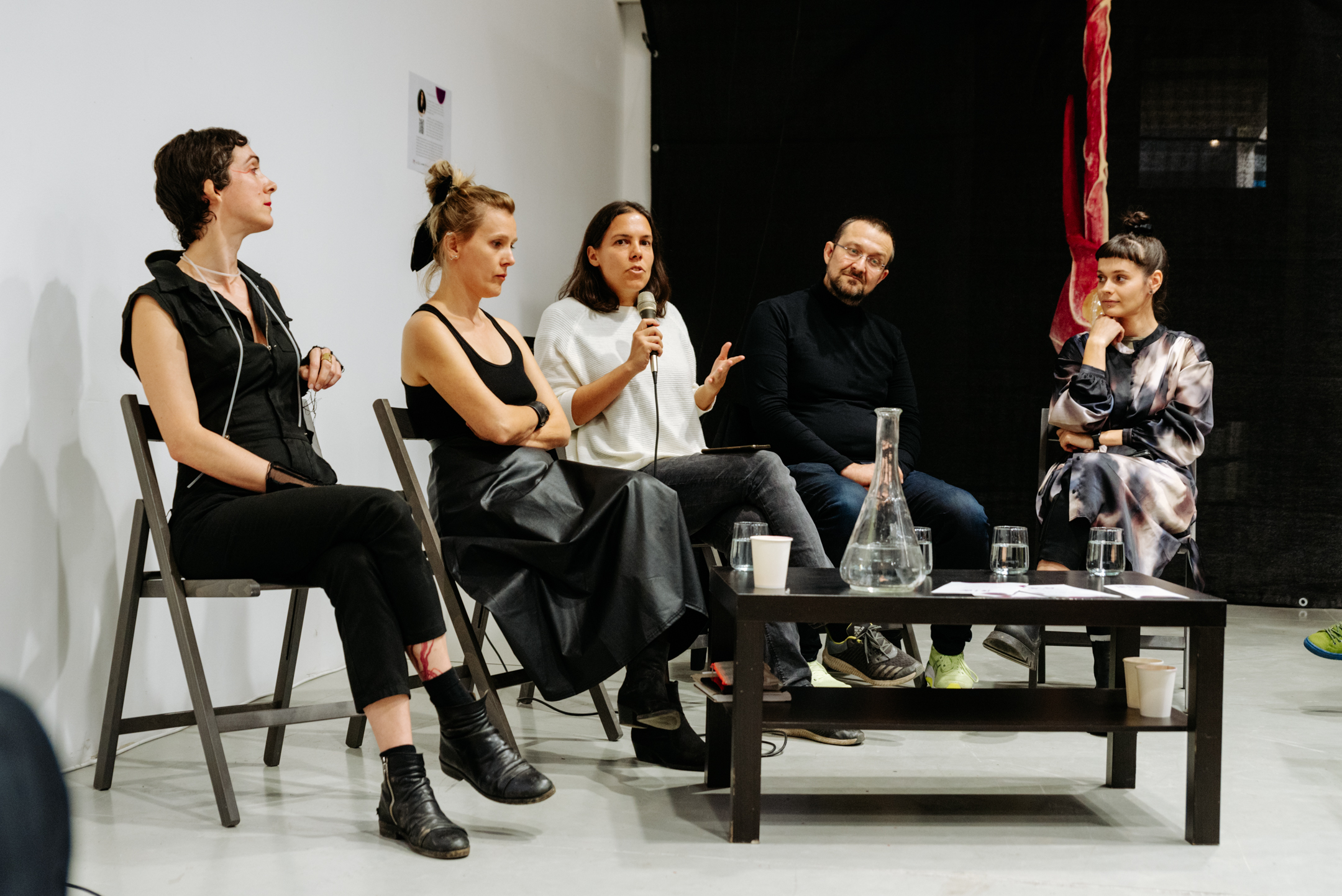
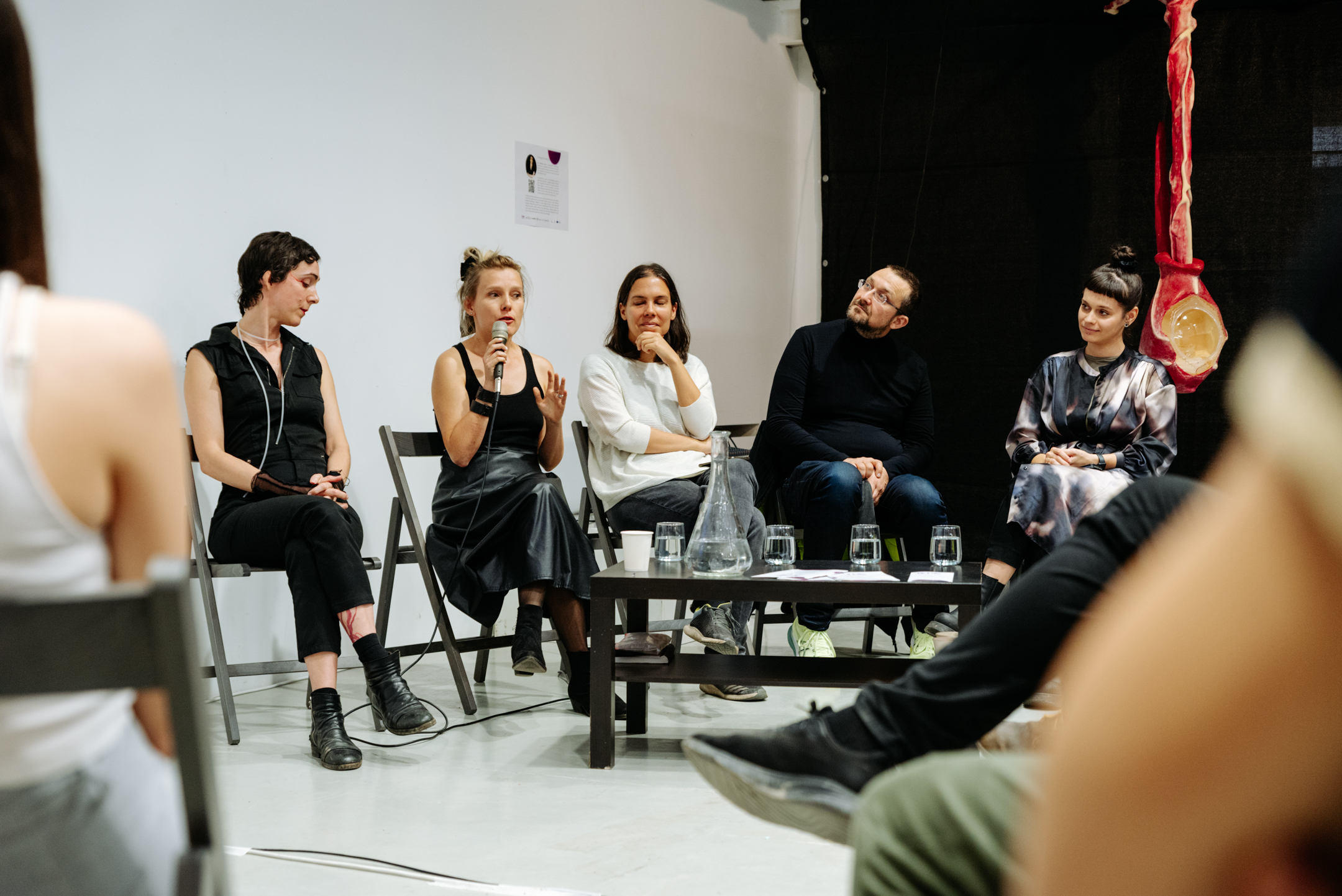
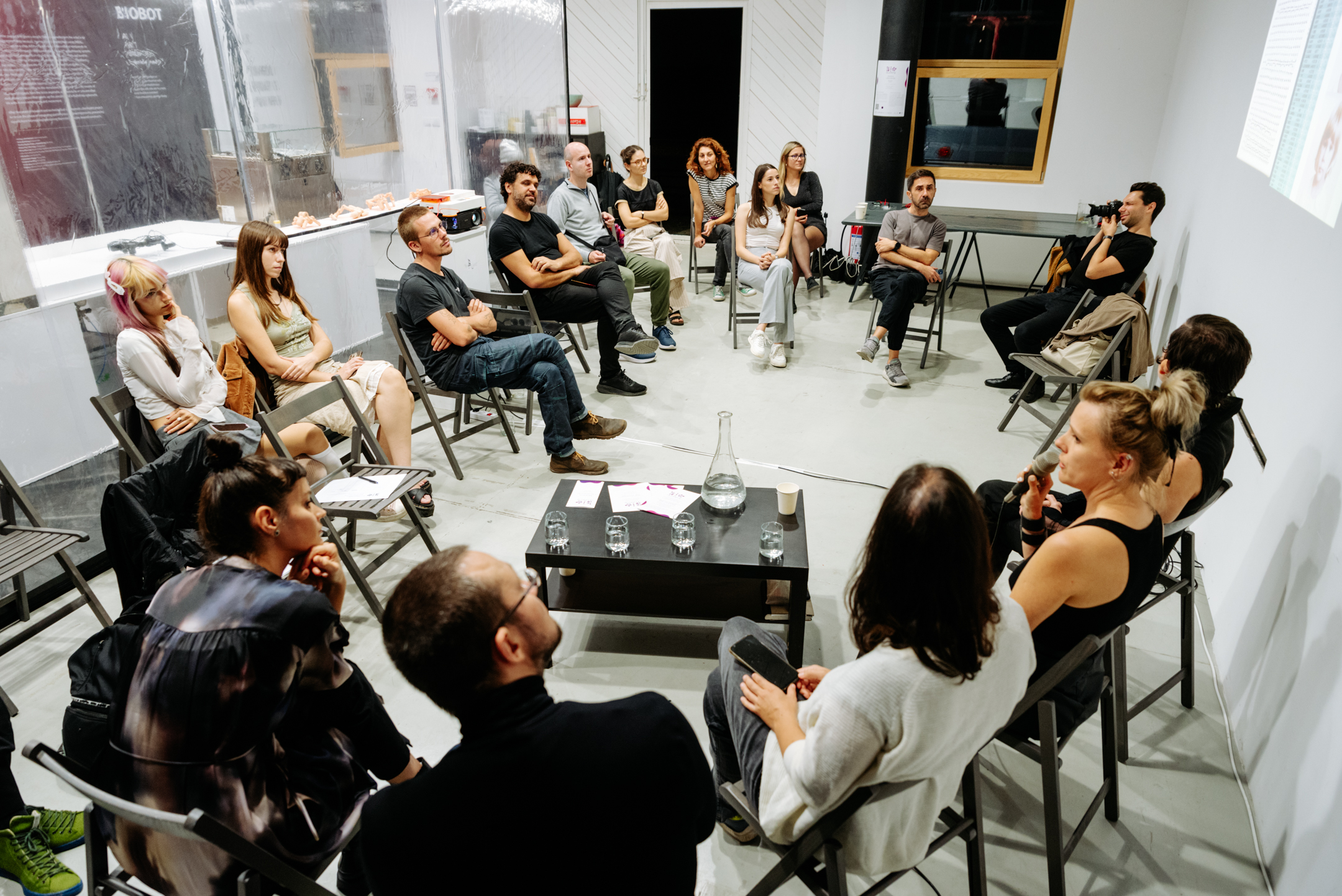
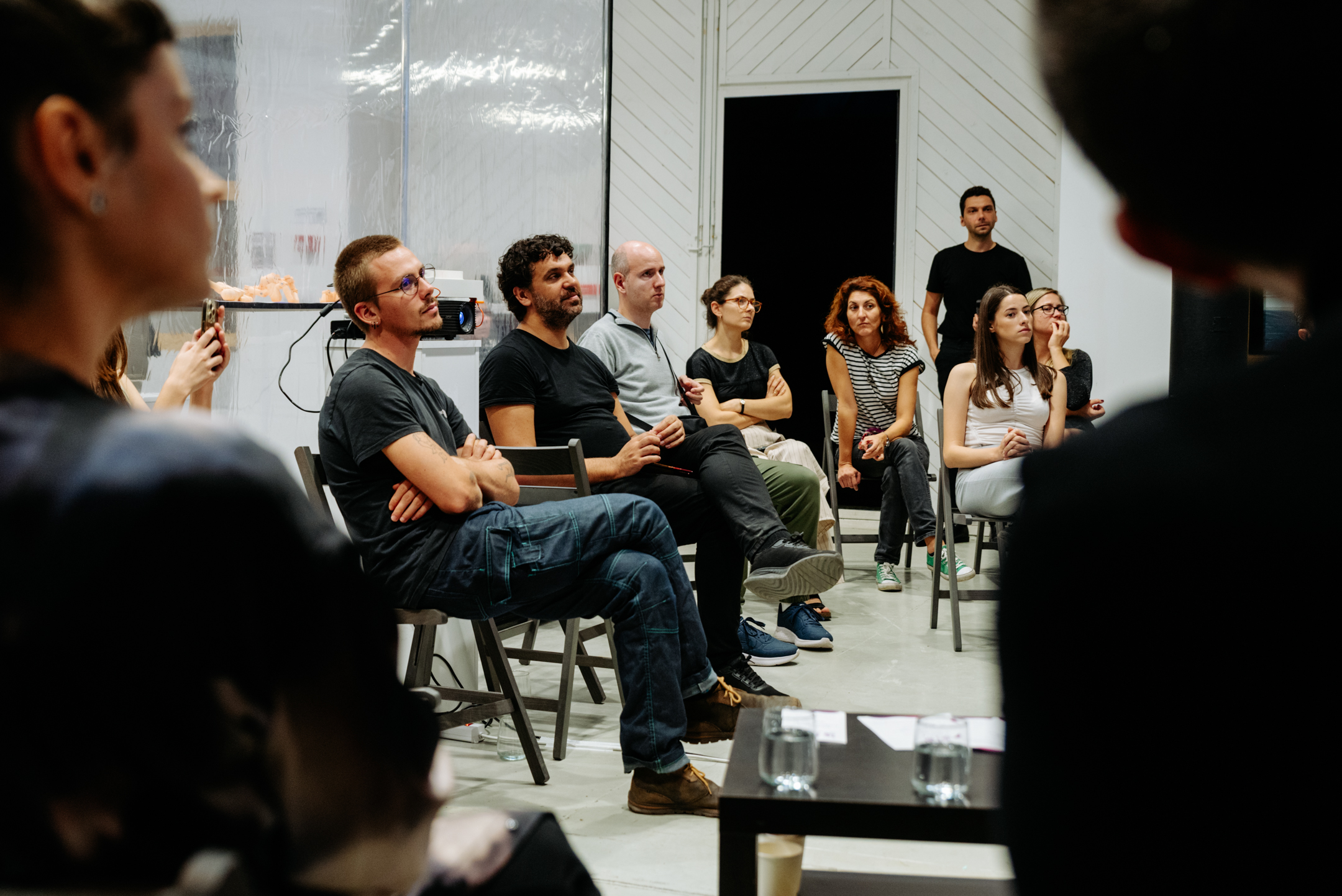
Round Table with Artists brings together a dynamic group of creators working at the intersection of art, science, and technology. Karolina Żyniewicz, a Berlin-based artist, researcher, and educator, is known for her boundary-pushing exploration of living matter and biotechnology across diverse contexts. Dr. Margherita Pevere, an artist and researcher, challenges societal taboos through her poignant examinations of death, sex, and vulnerability. Zoran Srdić Janežić, a sculptor and intermedia artist from Slovenia, innovates with animatronics and biotechnologies, blending mechanical and biological elements in his captivating artworks. Adrienn Újházi, a visual artist, explores the relationship between humans and nature through various media, contributing to numerous projects and exhibitions. Together, these artists provoke thought, explore the use of biomaterials as mediums, and inspire dialogue at the intersection of art, science, and technology.





FunGArt – from isolation and manipulation to inspiration and installation
Workshop led by Dr Milana Rakić (RS) mycologist and microbiologist.
Wednesday 2 October
18:00 – 20:00h
Friday 4 October
18:00 – 20:00h
Workshop duration: 120 min
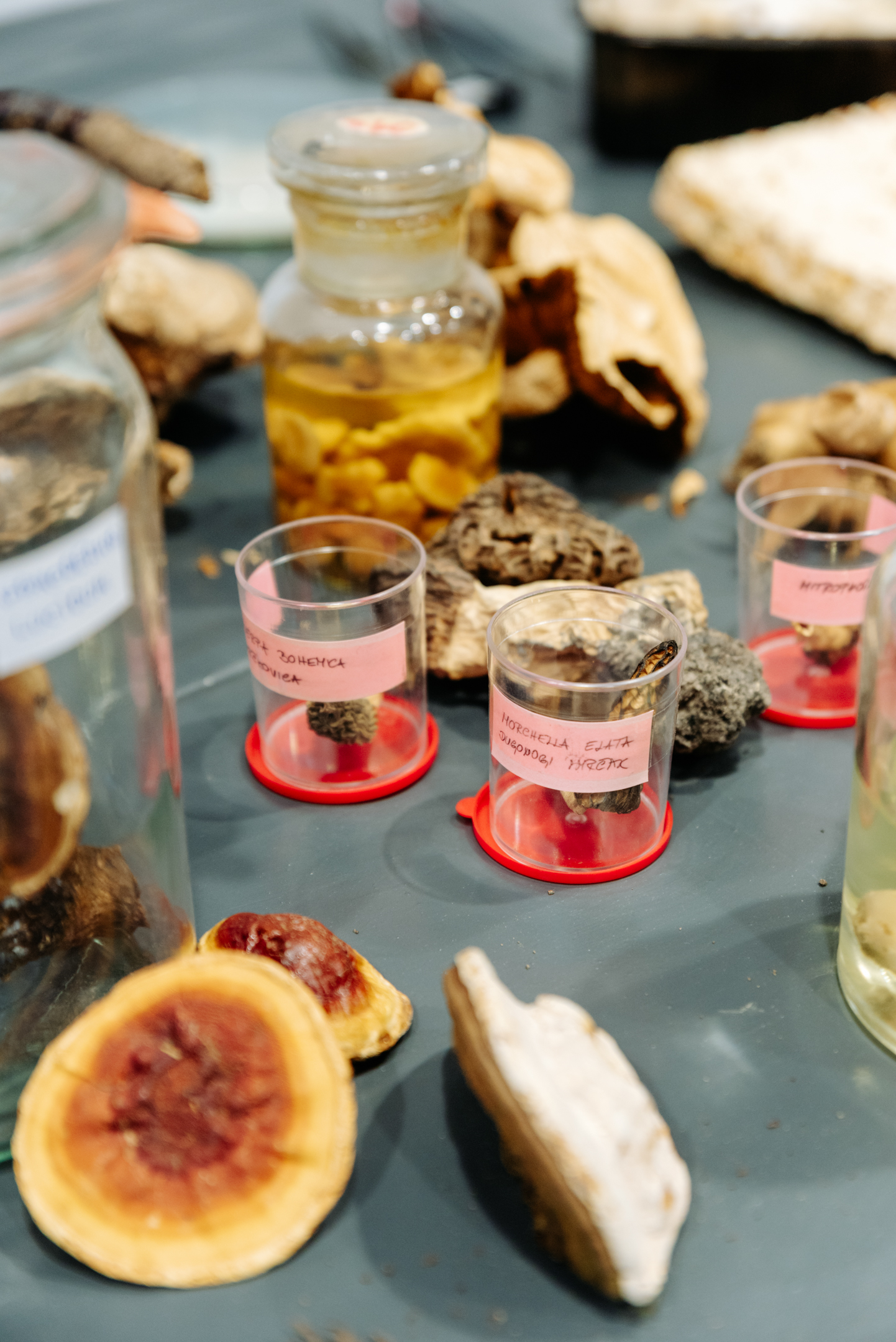
Participants will isolate and manipulate fungal cultures as well as fungal fruiting bodies, using them as inspiration to create unique art pieces. The workshop includes the installation of these creations, transforming scientific exploration into artistic expression. FunGArt will offer a hands-on experience that redefines fungi as a tool for both learning and artistic experimentation.

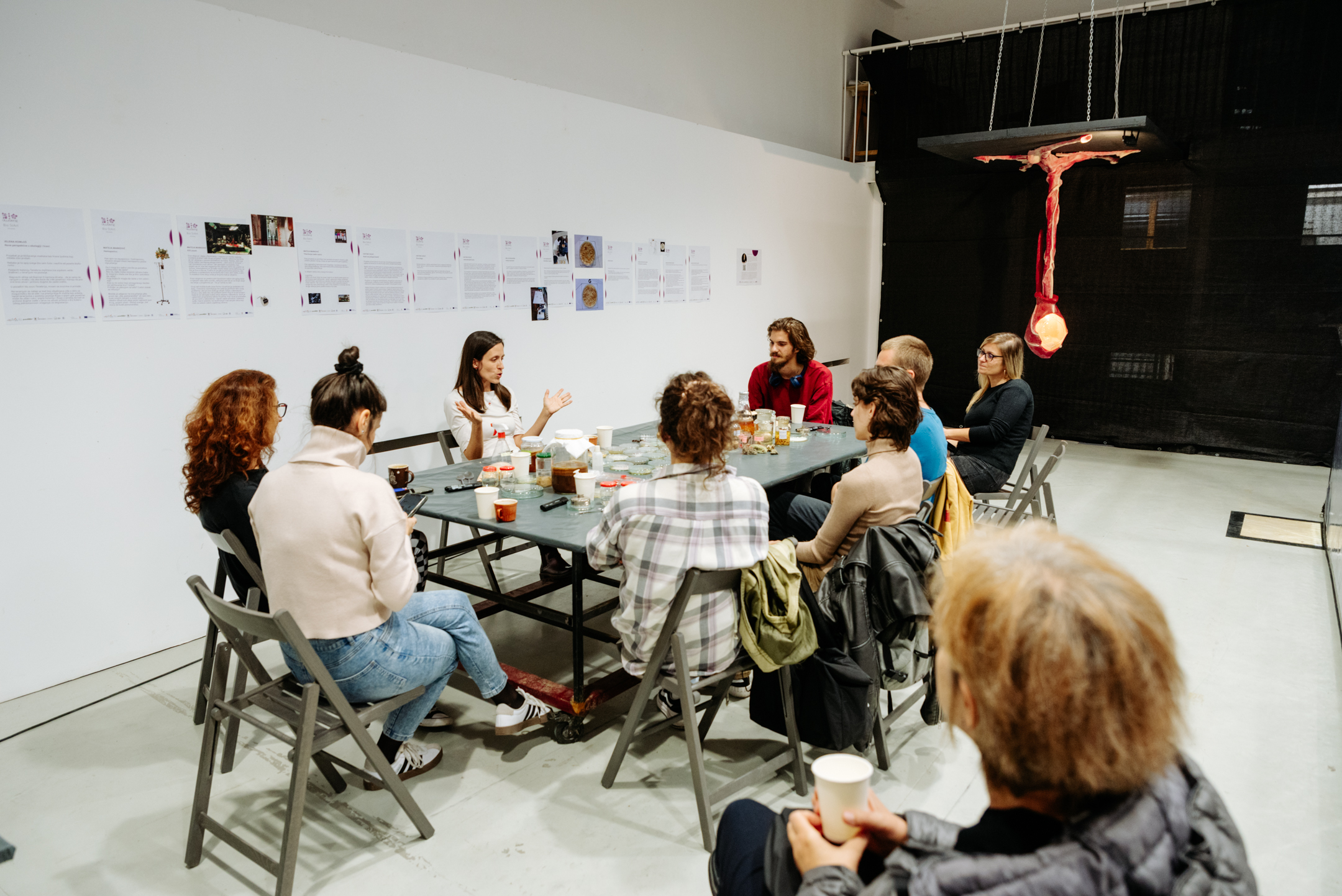
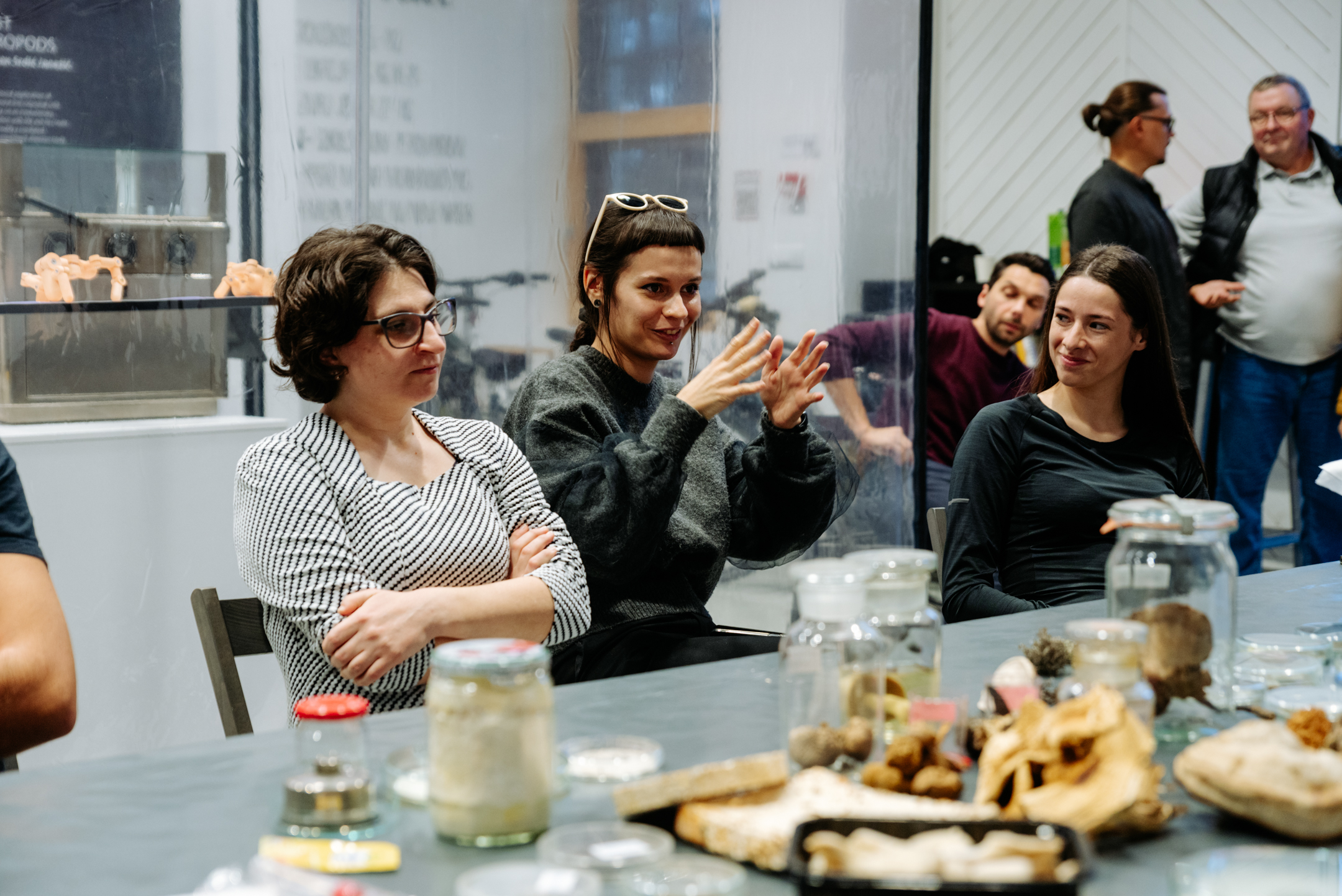


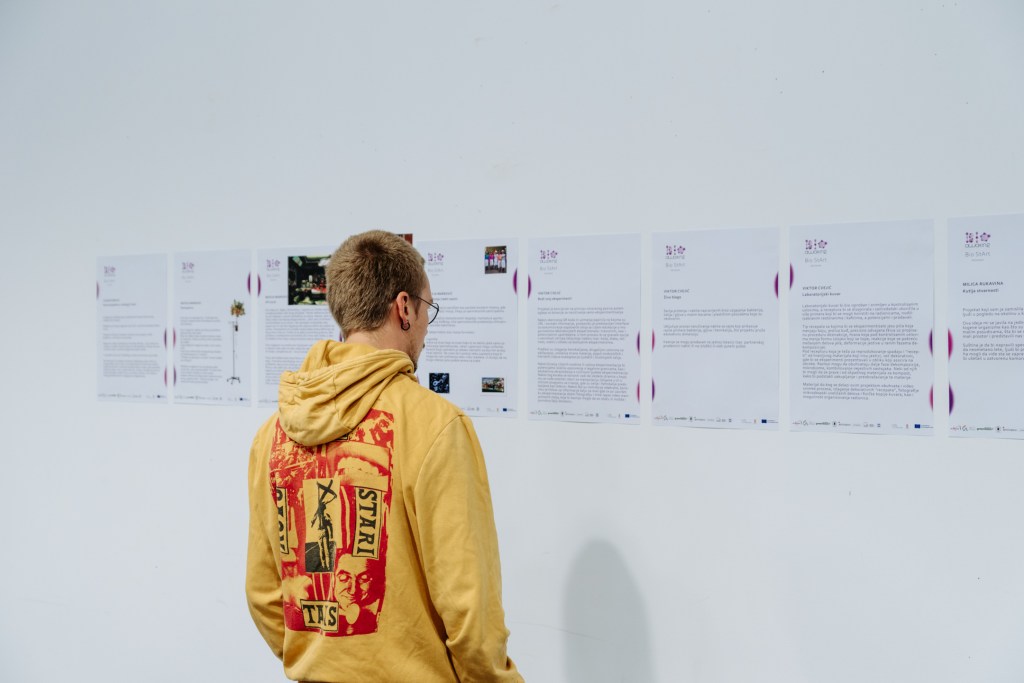
The Bio StArt initiative offers workshop participants the opportunity to develop their bio-art projects with professional support from artists and scientists. The selected participants for the Bio StArt program are: Jelena Komloš, Mateja Marković, Viktor Cvejić, Milica Rukavina, Vuk Mandušić, Sanja Rajić ,Angelina Biskupljanin and Milica Krneta who had the chance to present their initial ideas and concepts during the Bio Installation exhibition, held as part of the Kaleidoskop Culture festival.
The most outstanding projects will be showcased at the Outdoor Pecka Festival in 2025, in Bosnia and Herzegovina, as well as at the next edition of the art+science festival in Belgrade.


Workshop mentors
GJINO ŠUTIĆ (CRO) MSc.Med.Chem. Biotechnologist, innovator, educator, new media artist, producer, project and program manager
– Director of Universal Research Institute (UR Institute) HR (2013-)
– Director of Gen0 Industries d.o.o. for research and development of innovative technologies, HR (2014-)
– President of Association of innovators of Dubrovnik-Neretva County, HR (2020-)
Since 2012, active as multidisciplinary researcher and internationally awarded innovation developer specialized in general biotechnology (with focus on highly experimental, environmental, medical and industrial), new media art (specifically biological art and hybrid science+tech related art), emerging fields of science and technology (medicinal chemistry, biomechatronics/bioelectronics, biosemiotics), science communication and STEAM popularization through citizens science and experimental practice.Holds a wide portfolio of internationally acclaimed projects supported by the European Commision through Horizon, Creative Europe, Erasmus+, ESF and related programs.
FILIP GRGUREVIĆ (CRO) holds a master degree in ecology and environmental protection. Works at UR Institute as a research assistant and a coordinator of educational activities for youth at UR Institute. His research is focused on aquatic biology, microbiology and bioremediation. His experience includes work on multiple EU projects and collaboration with prominent bioartist as a support in science+art residency programs and related research production.
KRISTIJAN TKALEC (SI) is a biotechnologist and has been working as the expert head of BioTehna Lab and chief mentor of investigative learning programme at Kersnikova Institute since 2013. He facilitated and conducted a wide range of projects, workshops and experiments in the field of diybio, biotechnology, biology, biochemistry, and has collaborated with artists, as well as with DIYBio initiatives and communities such as Hackteria, Gaudilabs, Lab Easy, Hack-a-taq etc.. He co-conceptualised, implemented and led numerous workshops for children and youngsters at Kersnikova Institute, and has co-developed a series of workshops for educators and teachers in collaboration with the National Institute of Education.
DR MARGHERITA PEVERE (IT/DE) is an internationally acknowledged artist and researcher working across biological arts and performance with a distinctive visceral signature. Her inquiry hybridizes biotechnology, ecology, queer and death studies to create arresting installations and performances that trail today’s ecological complexity. Her body of work is a blooming garden crawling with genetically edited bacteria, cells, sex hormones, microbial biofilm, blood, slugs, ash and decomposing remains. She co-founded the artists’ group Fronte Vacuo. She is member of the Finnish Bioart Society and The Queer Death Studies Network. www.margheritapevere.com
DR MILANA RAKIĆ (RS) is a mycologist from Novi Sad, Serbia. She works as an Assistant professor at the Chair of Microbiology, Department of Biology and Ecology, PMF, UNS, where she is a member of the Mycological Laboratory ProFungi. Her field of interest and research includes biology and ecology of fungi, diversity and protection of fungi, biomonitoring, bioremediation, biotechnology, etc. Milana enjoys discovering the field of art & science and has participated in several projects in that field so far. She loves sharing her passion for fungi and nature with others.
Support

The Creative Europe program of the European Union supports activities that promote cultural diversity and respond to the needs and challenges of the cultural and creative sectors. The main objectives of the program are to safeguard the competitiveness and economic potential of the cultural and creative sectors, particularly the audiovisual sector. The program’s new approach will contribute to the recovery of these sectors by supporting their efforts to become more inclusive, digitalized, and sustainable in their environment.
The project is co-funded by the Creative Europe program of the European Union under grant agreement No. 10112849. The views and opinions expressed are solely those of the authors and do not necessarily reflect the views of the European Union or the Education, Audiovisual and Culture Executive Agency (EACEA). Neither the European Union nor the funding body can be held responsible for them.
Funded by the European Union. Views and opinions expressed are however those of the author(s) only and do not necessarily reflect those of the European Union or the European Education and Culture Executive Agency (EACEA). Neither the European Union nor EACEA can be held responsible for them.
 ReAktor