The “One Tree(s)” initiative
The “One Tree(s)” initiative (October 2025) marks the final step of the Bio Awaking project, symbolizing ecological awareness through the planting of endangered tree species from the Western Balkans in all partner countries. Following and inspired by Natalie Jeremijenko’s concept, this symbolic action combines art, science, and society. The selected species will be planted within a defined short period in collaboration with the project’s partner organizations, promoting cooperation, ecosystem conservation, and public engagement.
Within the last project activity there will be a short documentary film screening, which presents the creation of bio and hybrid art across Europe, following the project’s workshops, lab activities, and collaborative process. The film highlights innovative approaches and the learning journey of artists and scientists, offering an engaging insight into how art, science, and society intersect in experimental and ecological practices.
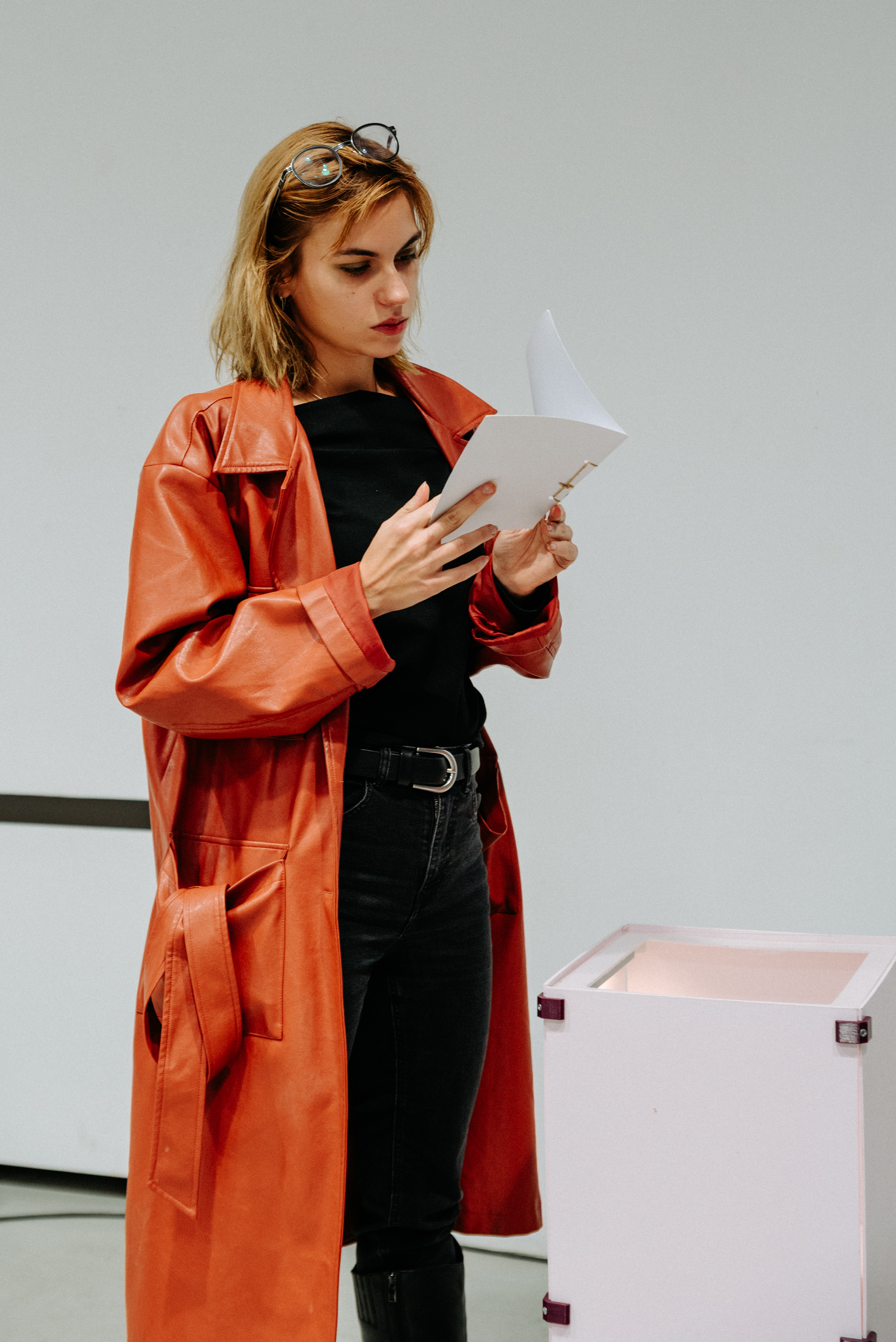
Within this final activity, the Reactor organization will present new productions created during the BioStArt program by students Mateja Marković (New Media Arts) and Milica Rukavina (Biology). The program will also include three lectures, a workshop, a performative tree-planting initiative, and the screening of a short documentary highlighting the project’s activities.

The “One Tree(s)” initiative PROGRAM
From 4PM on Sunday, October 19th 2025
SKUP, Creative District, Novi Sad, Serbia
Bulevar despota Stefana 5
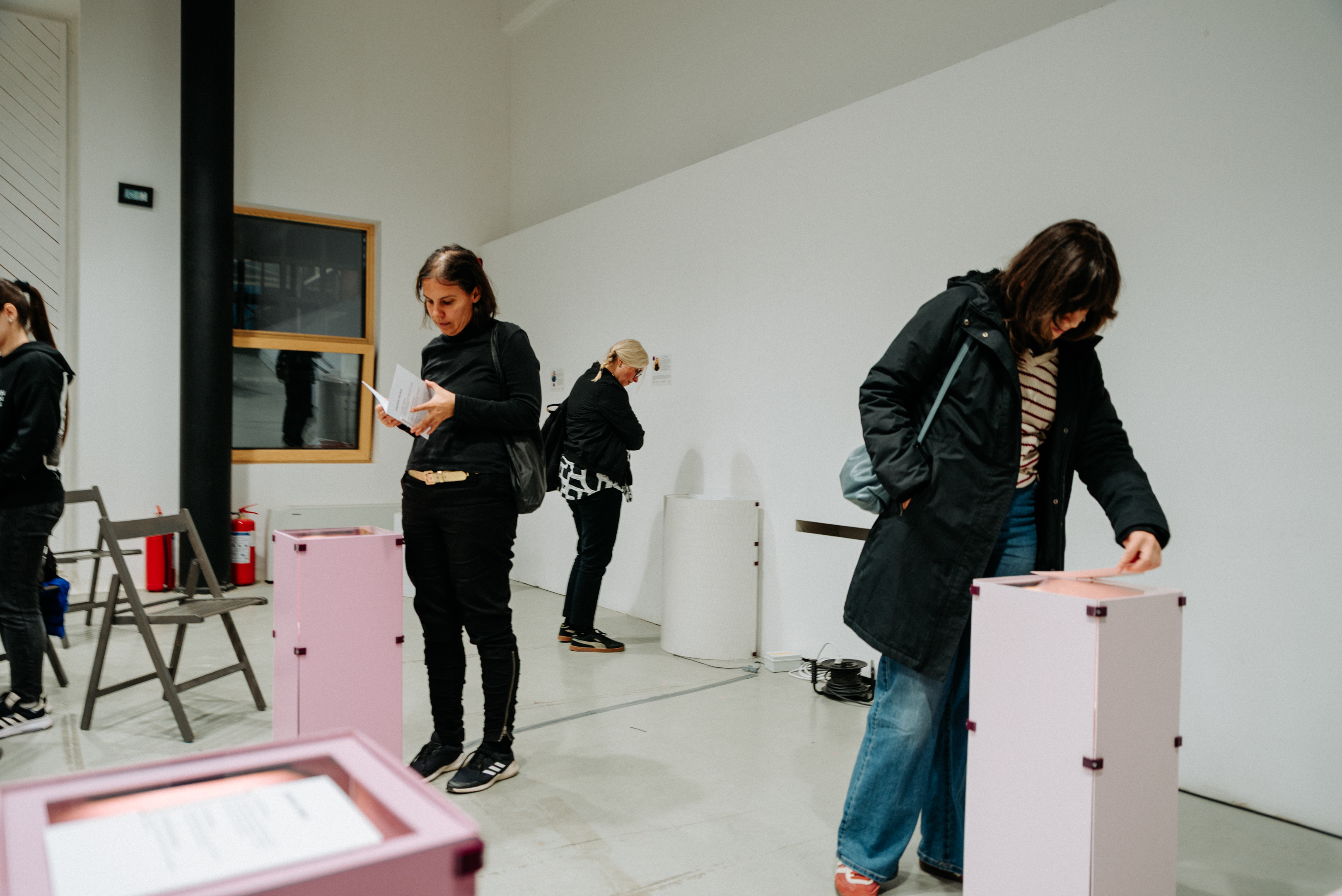
SHOWCASE – Program opening
04:00 – 07:00 PM
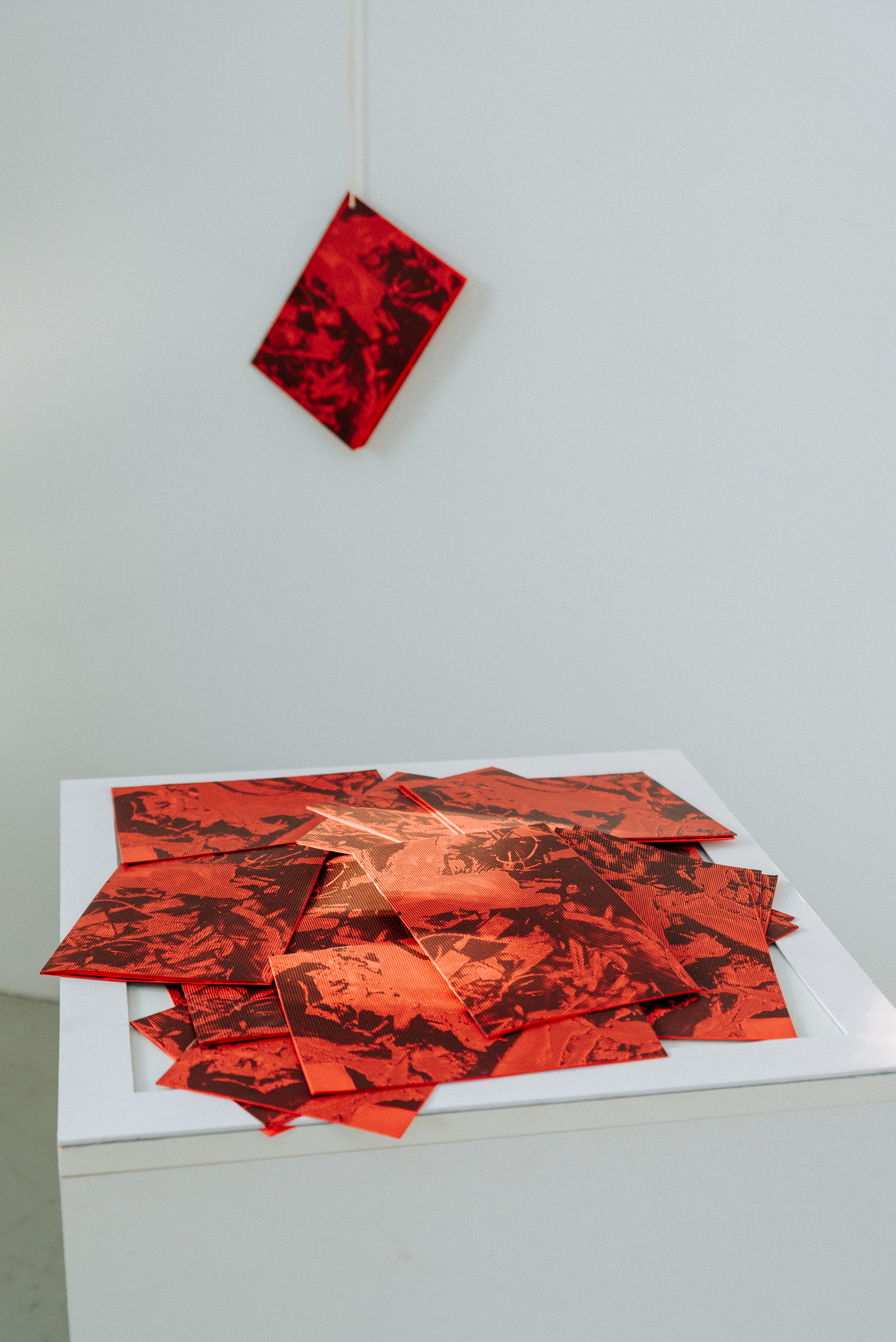
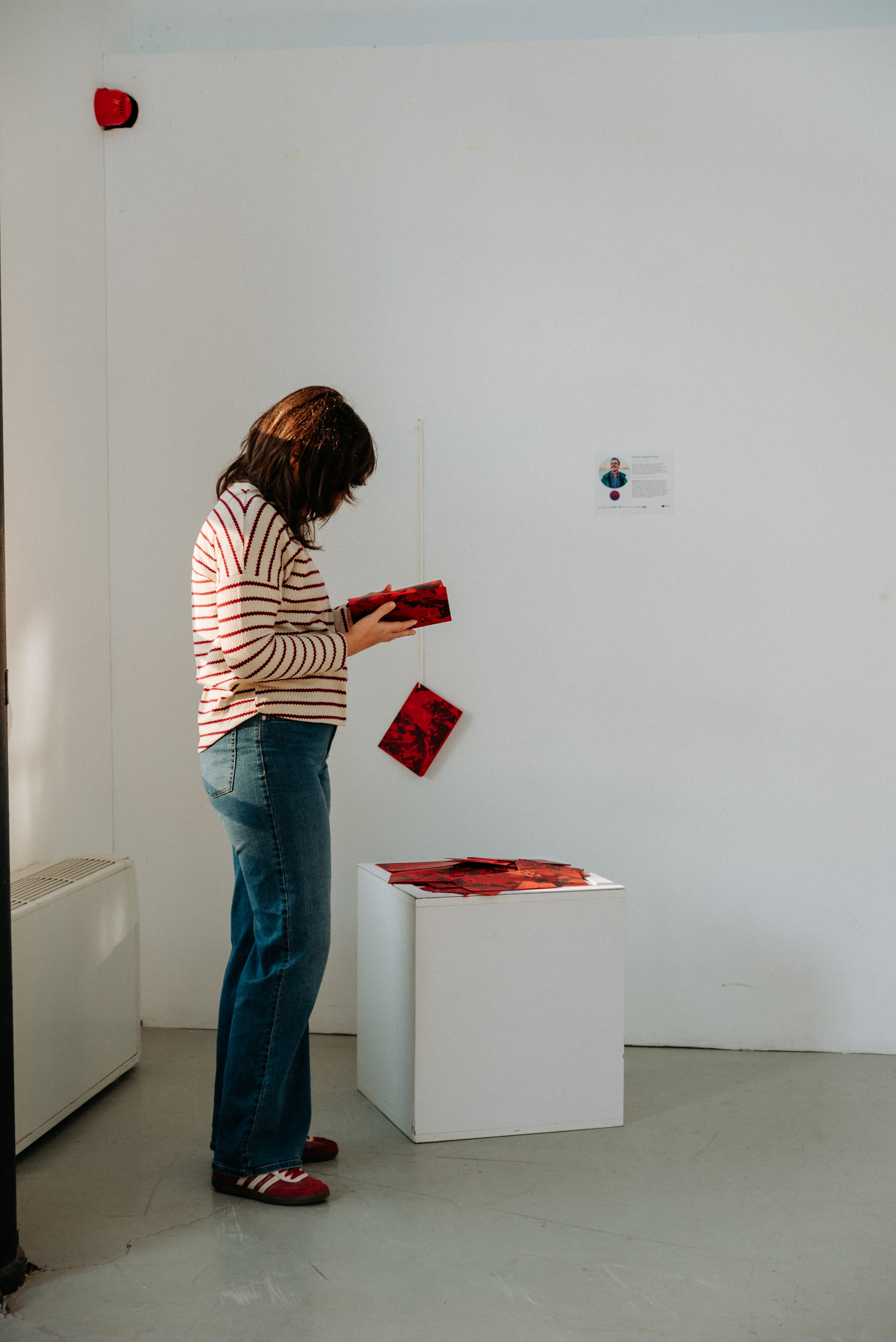
Bio StArt program participants: Mateja Marković (RS) and Milica Rukavina (RS)
LECTURE I.
04:00 – 04:30 PM
Towards interspecies inheritance aesthetics
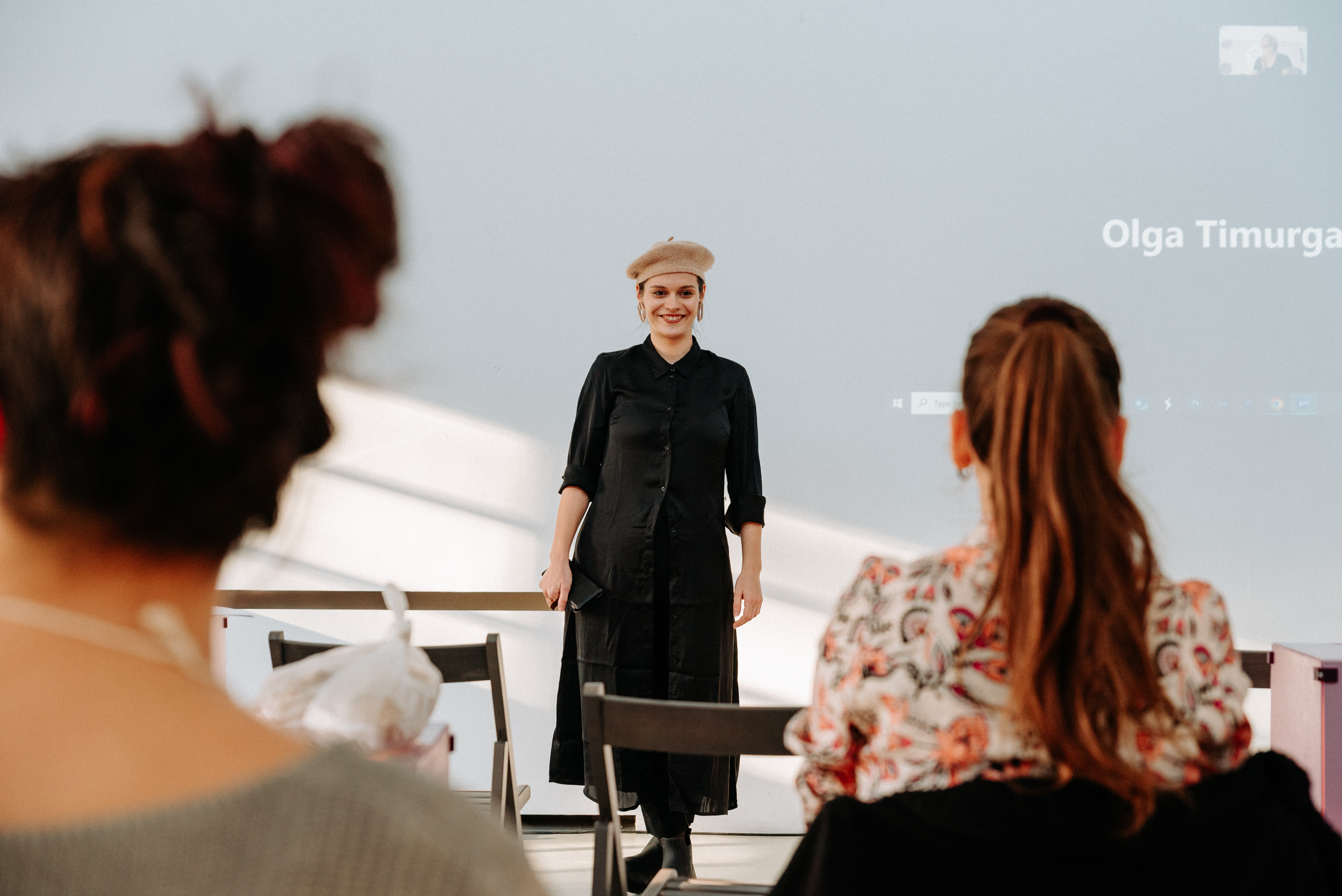
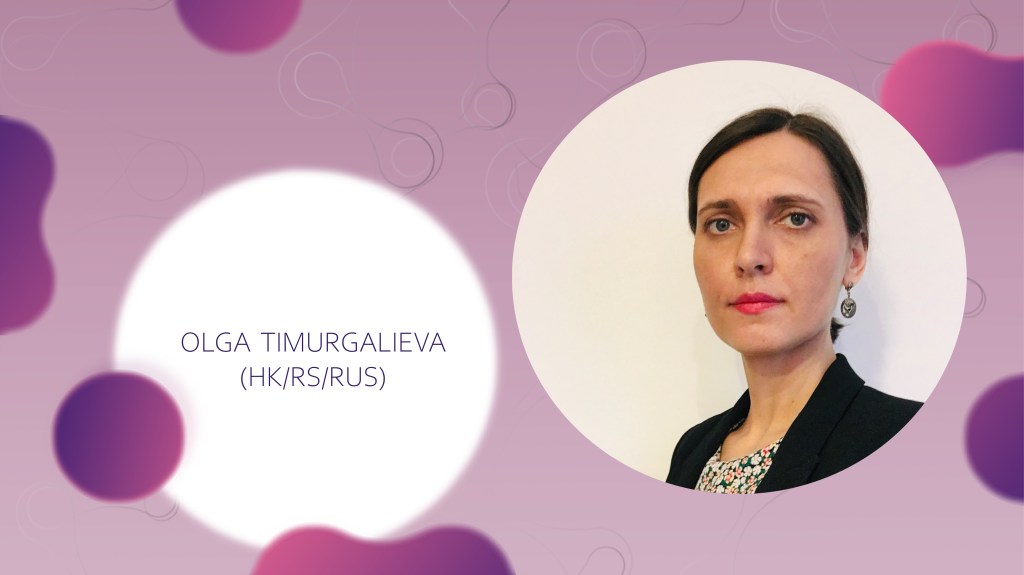
(ONLINE) By: Olga Timurgalieva (HK/RS/RUS) , Ph.D. Candidate, School of Creative Media, City University of Hong Kong
Duration: approx. 30 min
Age group: 16+
About the lecture
Current environmental conditions, including rising sea levels, floods, fires, and increasing water and atmospheric temperatures, have significantly challenged the notions and professional practices of heritage preservation. In light of the actual and potential loss of things, beings, and ways of living due to climate derangement, this talk discusses the concepts of heritage and inheritance via recent art practices developed with the application of fungal microbes, called yeasts. The talk examines interspecies and intersectional approaches to inheritance proposed by yeast art.


About the lecturer
Olga Timurgalieva (HK/RS/RUS) is a PhD candidate at City University of Hong Kong. Awarded by the Hong Kong PhD Fellowship Scheme and the Ernst Mach Scholarship granted by the Austrian Agency of Education and Internationalisation, her research investigates the intersections of biotechnology and contemporary art, with a particular focus on yeasts and their interspecies relations. Olga has worked at several art institutions, including the ZKM | Center for Art and Media in Karlsruhe, where she co-curated the “Seasons of Media Arts 2019” festival. In 2021, Olga chaired a panel “Interspecies Research and Becoming Animal” at Art Machines Symposium in Hong Kong and co-organized the conference “Art and Critical Ecologies: Multiscalar Engagements” where she convened a panel on “Art and Microbial Worlds” (Taipei). Currently, Olga is a member of the Wanwu Practice Group.
LECTURE II.
04:35 – 05:05 PM
Creatures: translocating animate laboratory agents into cultural spaces
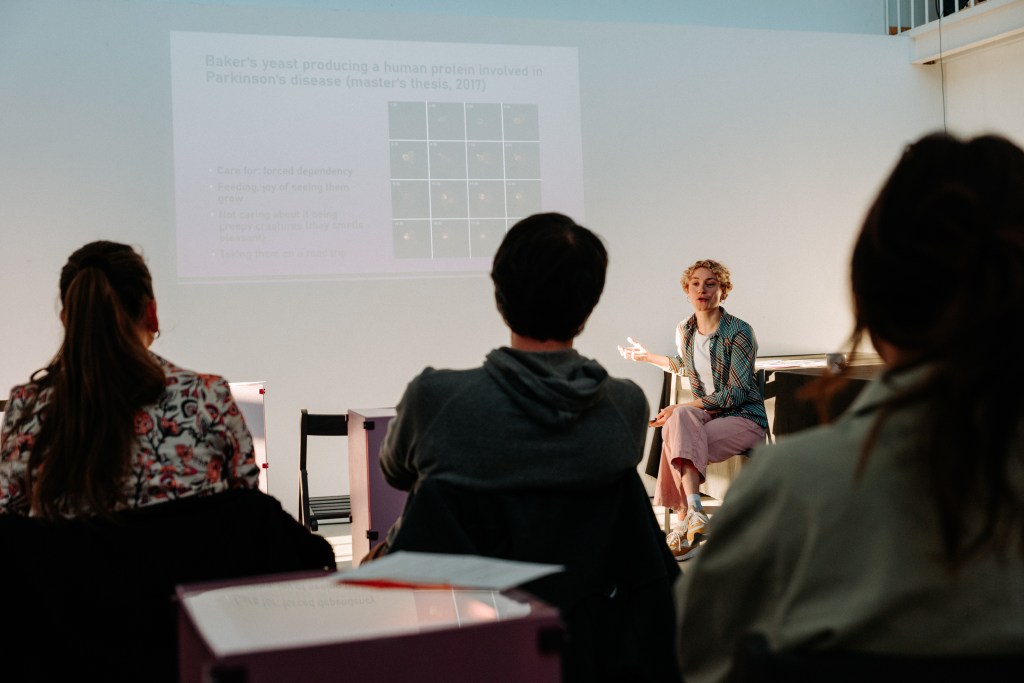
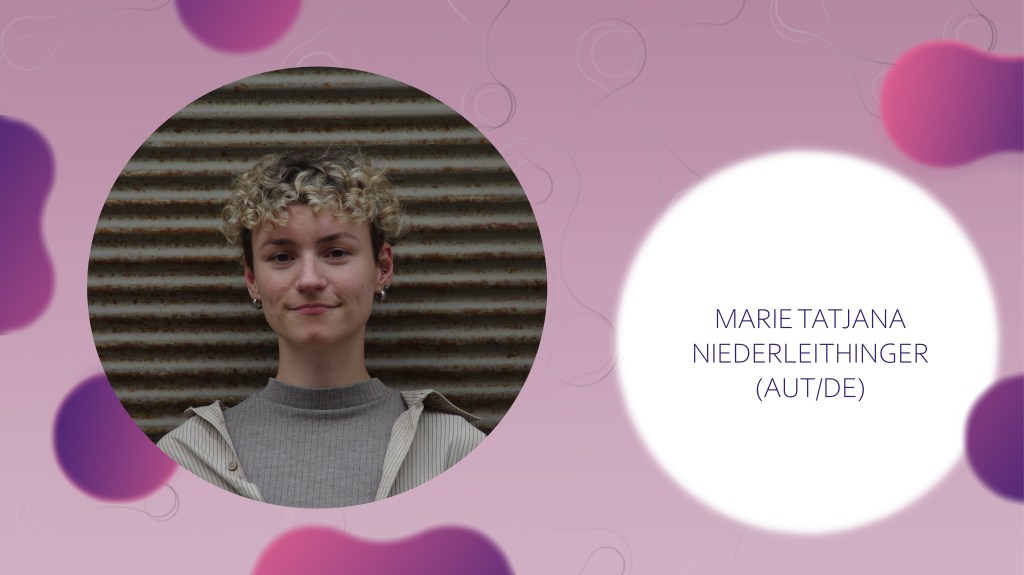
By: Marie Tatjana Niederleithinger (AUT/DE) — curator, researcher, moderator, team member of ‘künstlerische Tatsachen’ residency
Duration: approx. 30 min
Age group: 16+
About the lecture
The term ‘creatures’ will occur in this lecture upon dealing with the works of one specific artist that Marie worked with past year: with ‘Living Waste’, Lyndsey Walsh declares to have established the ‘first genetic engineering facility in a cultural [German] institution‘. Marie will draw on this and other examples from their personal environment to talk about legal frameworks, ethical considerations, and affective dimensions of translocating animate laboratory agents but also insects for artistic purposes.

About the lecturer
Marie Tatjana Niederleithinger (AUT/DE), (they/them) got active in the field of Art & Science after their master’s studies in molecular biology, microbiology, and neuroscience. As an intern, they supported the transformation of a festival into a physical space in 2018 (former STATE Studio). In 2021, they were part of the team that started the Art & Science residency ‘künstlerische Tatsachen’ (kT, artistic facts) in the Eastern German university town Jena. Past year, Marie curated kT’s first commissioned exhibition and co-founded an association for artistic research (‘Zentrum für künstlerische Forschung’). They are based in Vienna and are currently attending the program ‘What Could/Should Curating Do?’ in Novi Sad.
PERFORMANCE
05:17 PM
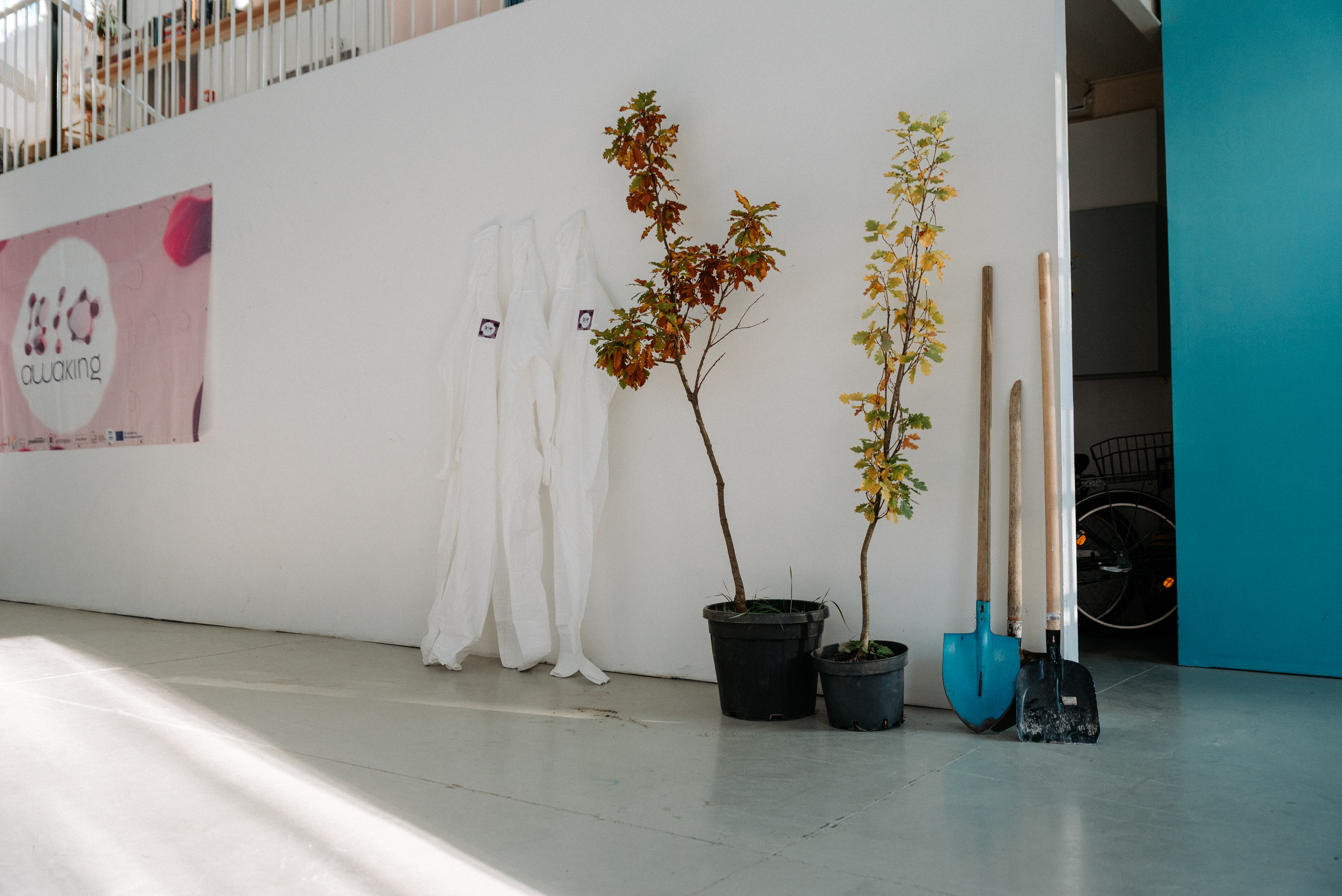
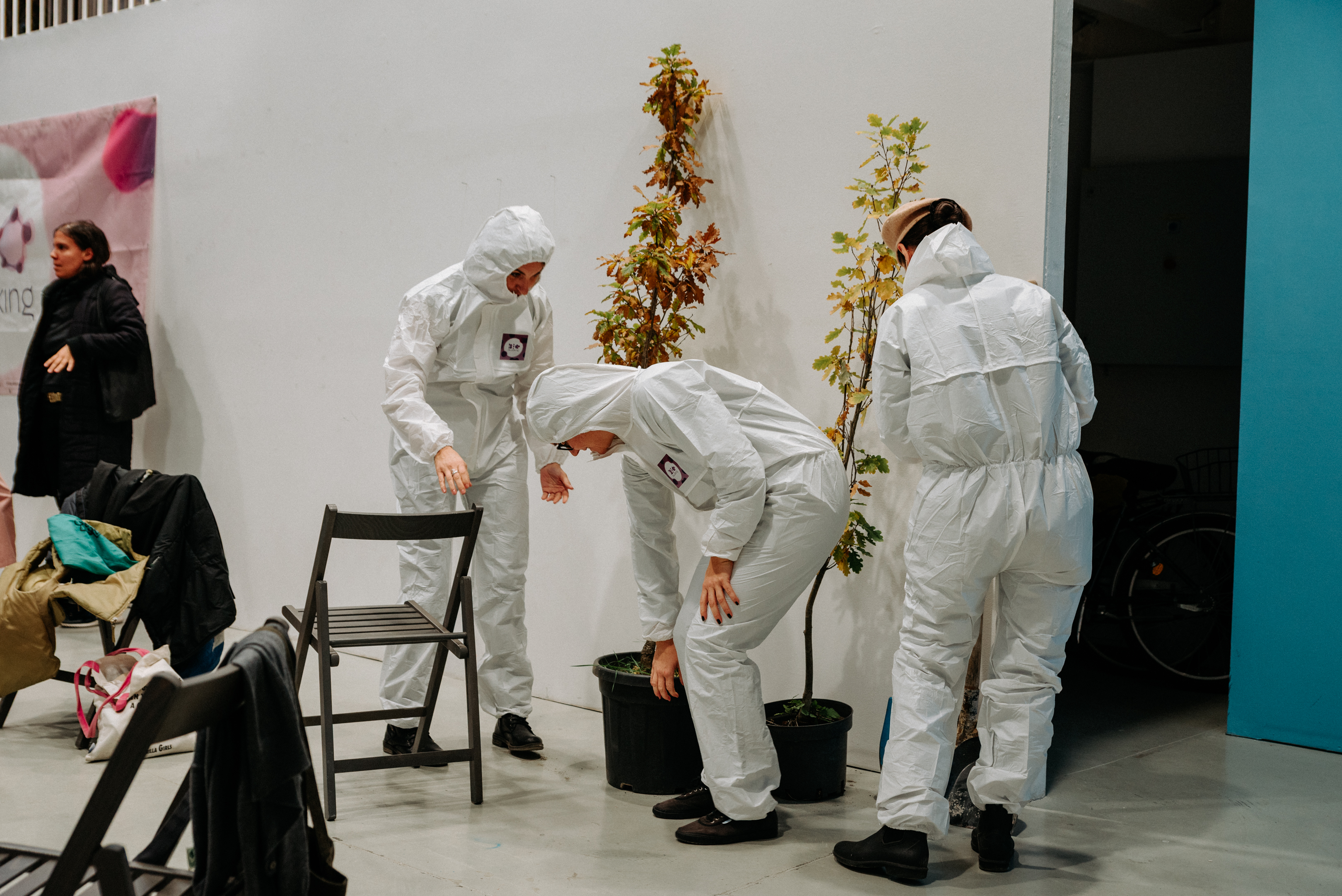
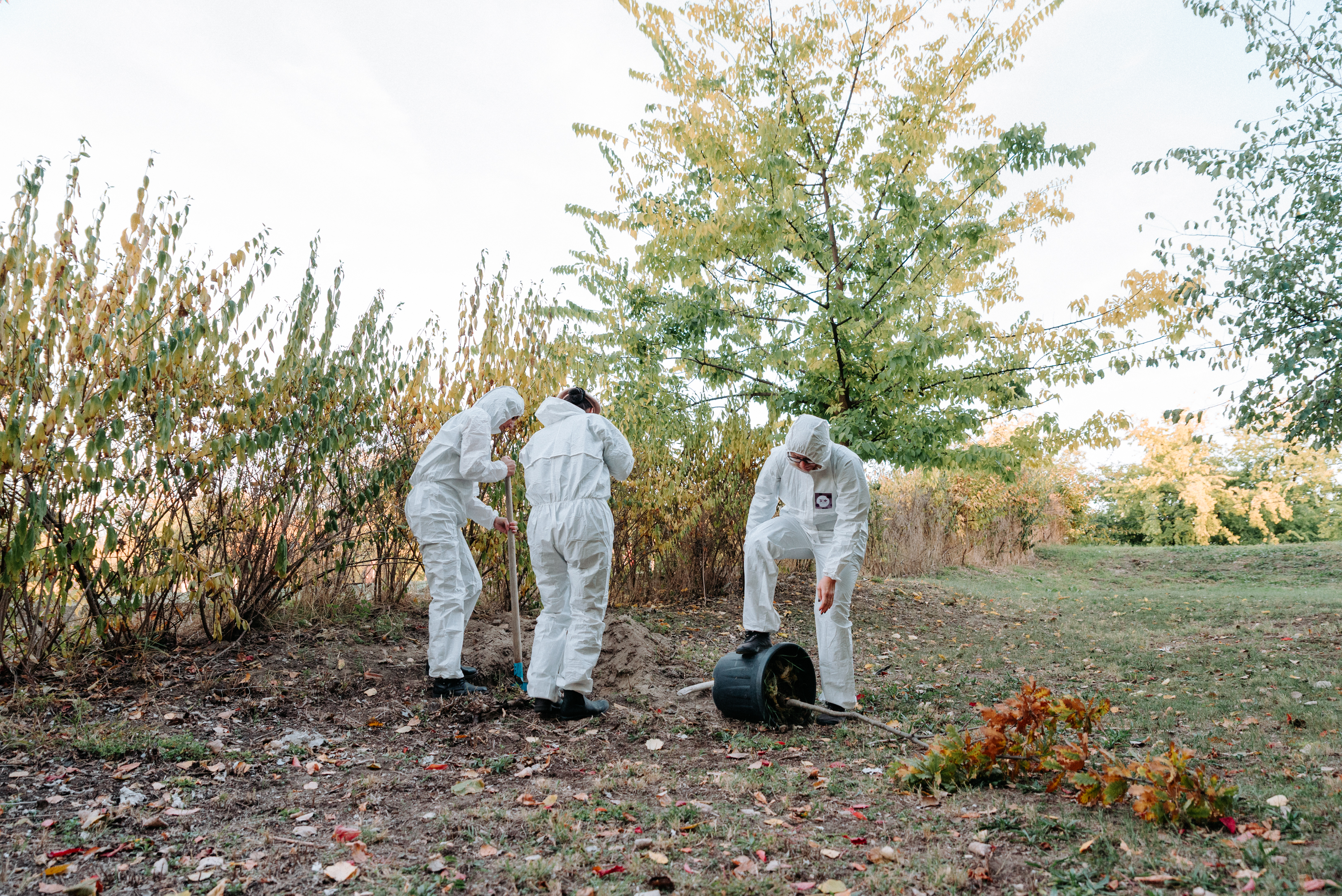
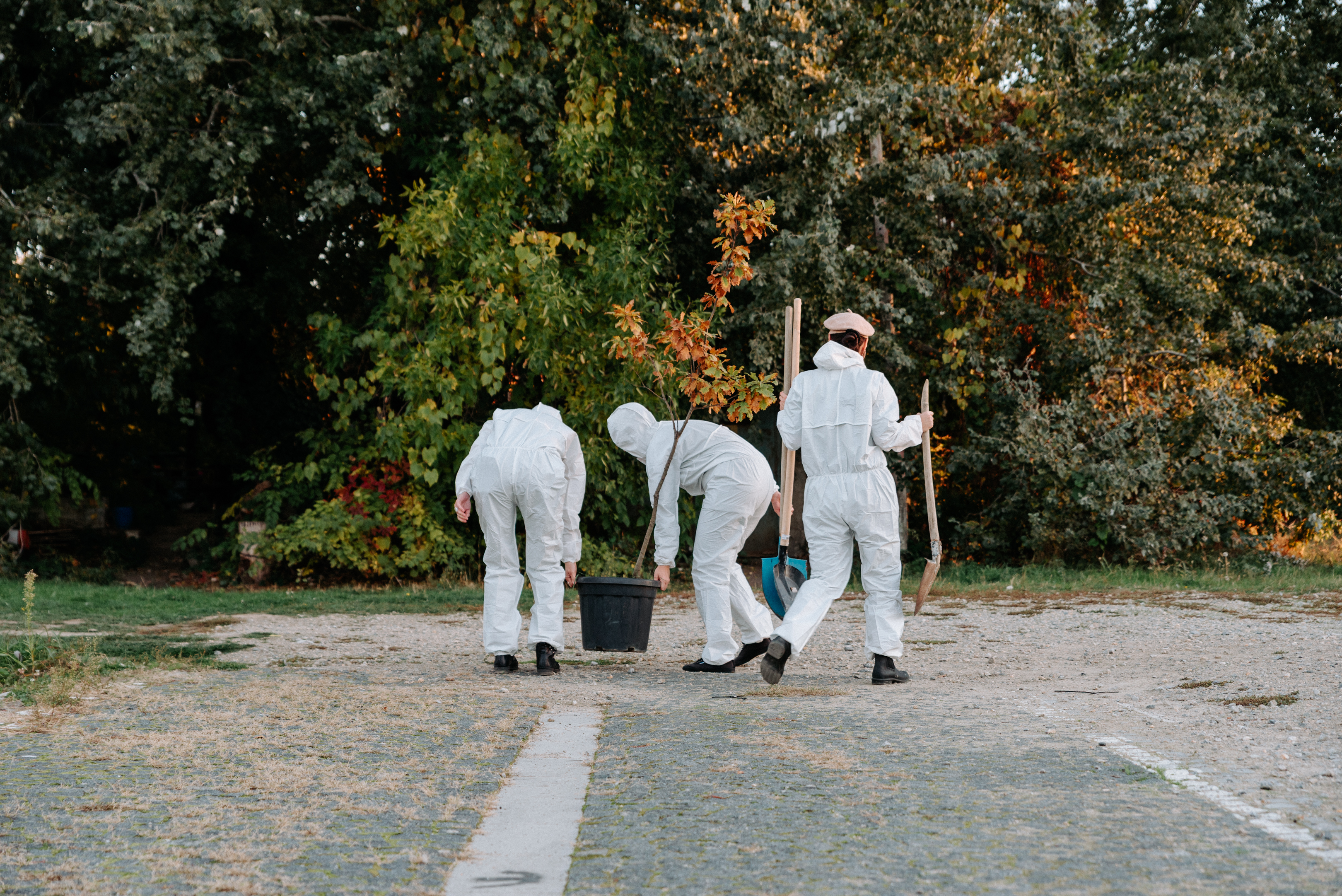
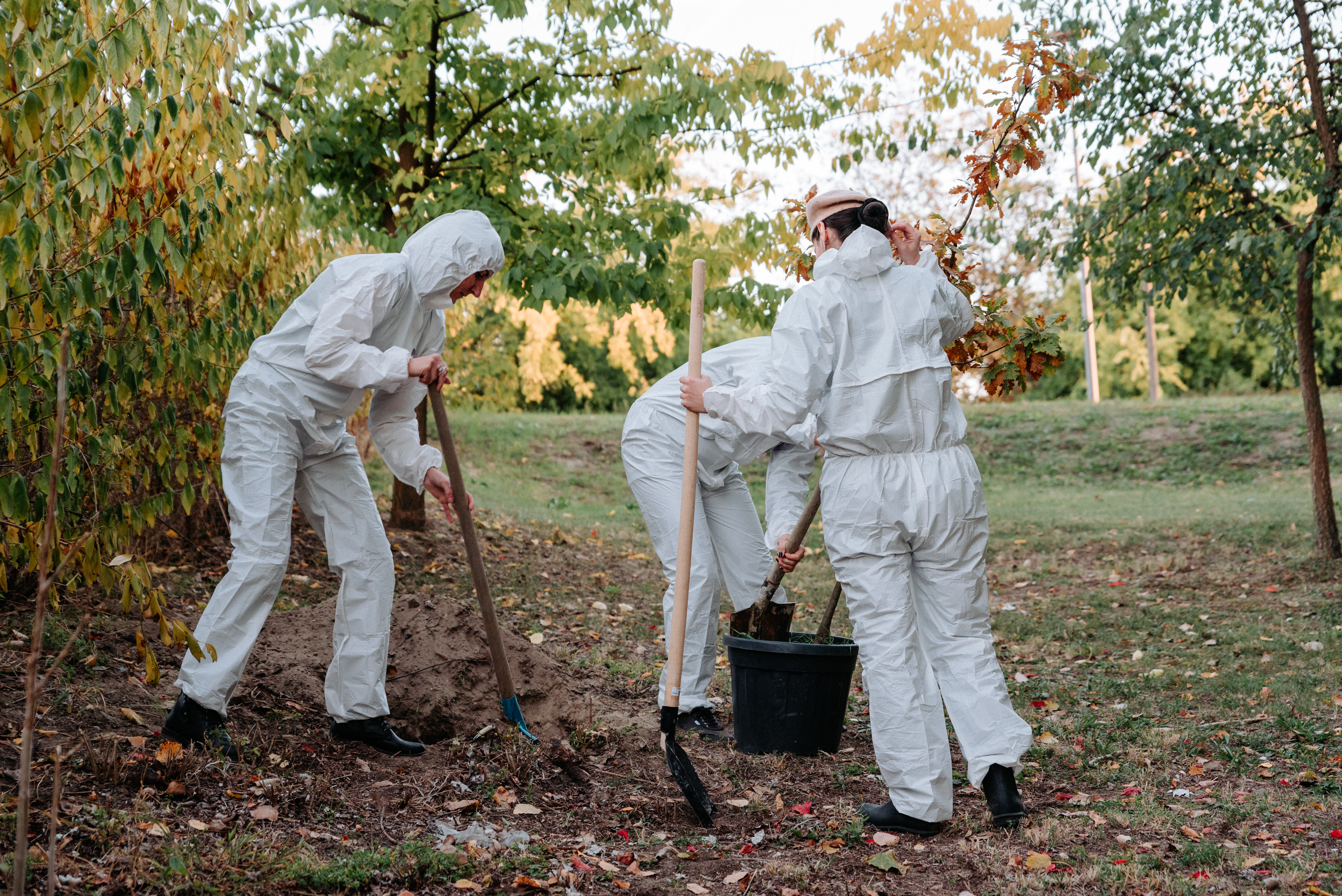
Bio Awakening Action – Initiative “One Tree(s)”
Duration: approx. 20 min
Suitable for all ages
This follow-up action reactivates Natalie Jeremijenko’s visionary “One Tree(s)” project, opening a new chapter for hybrid and bio art in the Western Balkans. In October 2025, endangered tree species native to the region will be planted in a synchronized action across all partner countries. Beyond symbolic planting, the initiative connects art, science, and civic engagement, promoting regional collaboration, ecological awareness, and ecosystem conservation while creating a living artwork that grows with time.
LECTURE III.
05:45 – 06:15 PM
Fungi and plants interplay – why is mycelium so important in terrestrial ecosystems
By: Milana Rakić, PhD (RS), Assistant professor at the Chair of Microbiology, Department of Biology and Ecology, FS, UNS
Duration: approx. 30 min
Age group: 16+
About the lecture
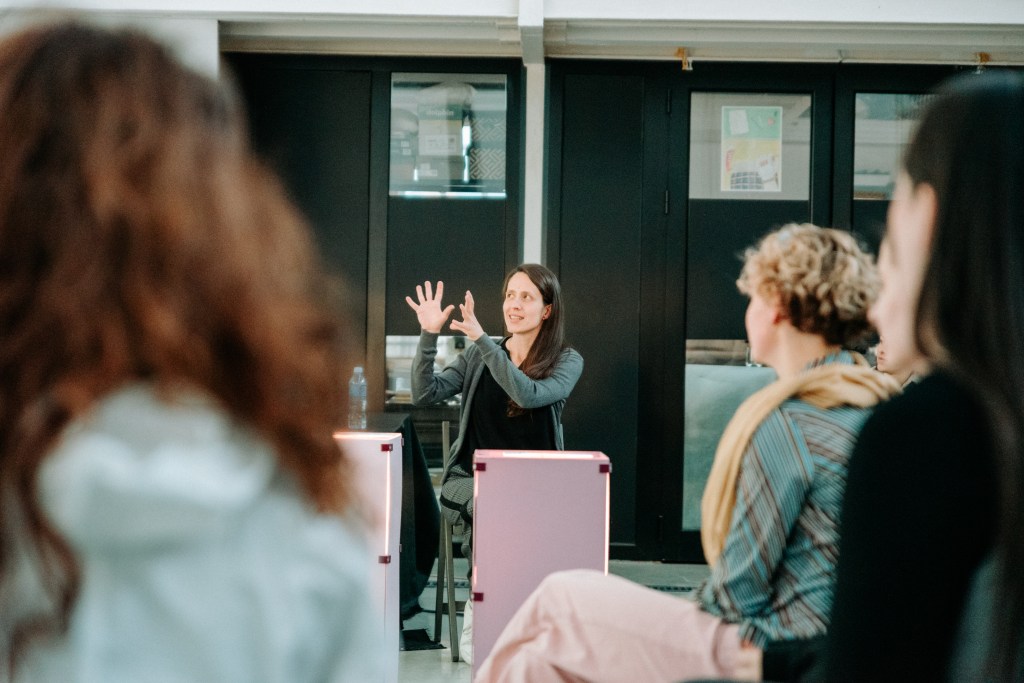
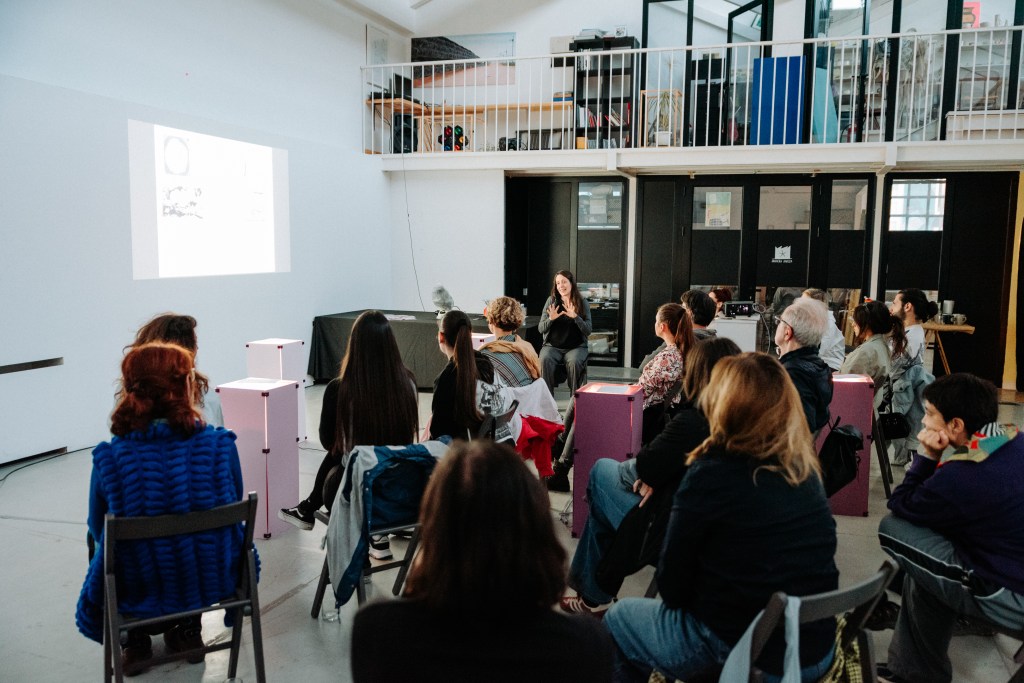
This scientific-popular talk explores the fascinating relationship between fungi and plants, focusing on the vital role of mycelium in sustaining life on land. Mycelium forms vast underground networks that connect plants, especially trees, enabling the exchange of nutrients, water, and chemical signals. Acting as nature’s “internet,” these hidden fungal threads enhance plant growth, improve soil health, and support biodiversity, making them indispensable for the stability and resilience of terrestrial ecosystems.
About the lecturer
Milana Rakić, PhD (RS) is a mycologist from Novi Sad, Serbia. She works as an Assistant professor at the Chair of Microbiology, Department of Biology and Ecology, PMF, UNS, where she is a member of the Mycological Laboratory ProFungi. Her field of interest and research includes biology and ecology of fungi, diversity and protection of fungi, biomonitoring, bioremediation, biotechnology, etc. Milana enjoys discovering the field of art & science and has participated in several projects in that field so far. She loves sharing her passion for fungi and nature with others.

WORKSHOP
06:20 – 06:50 PM
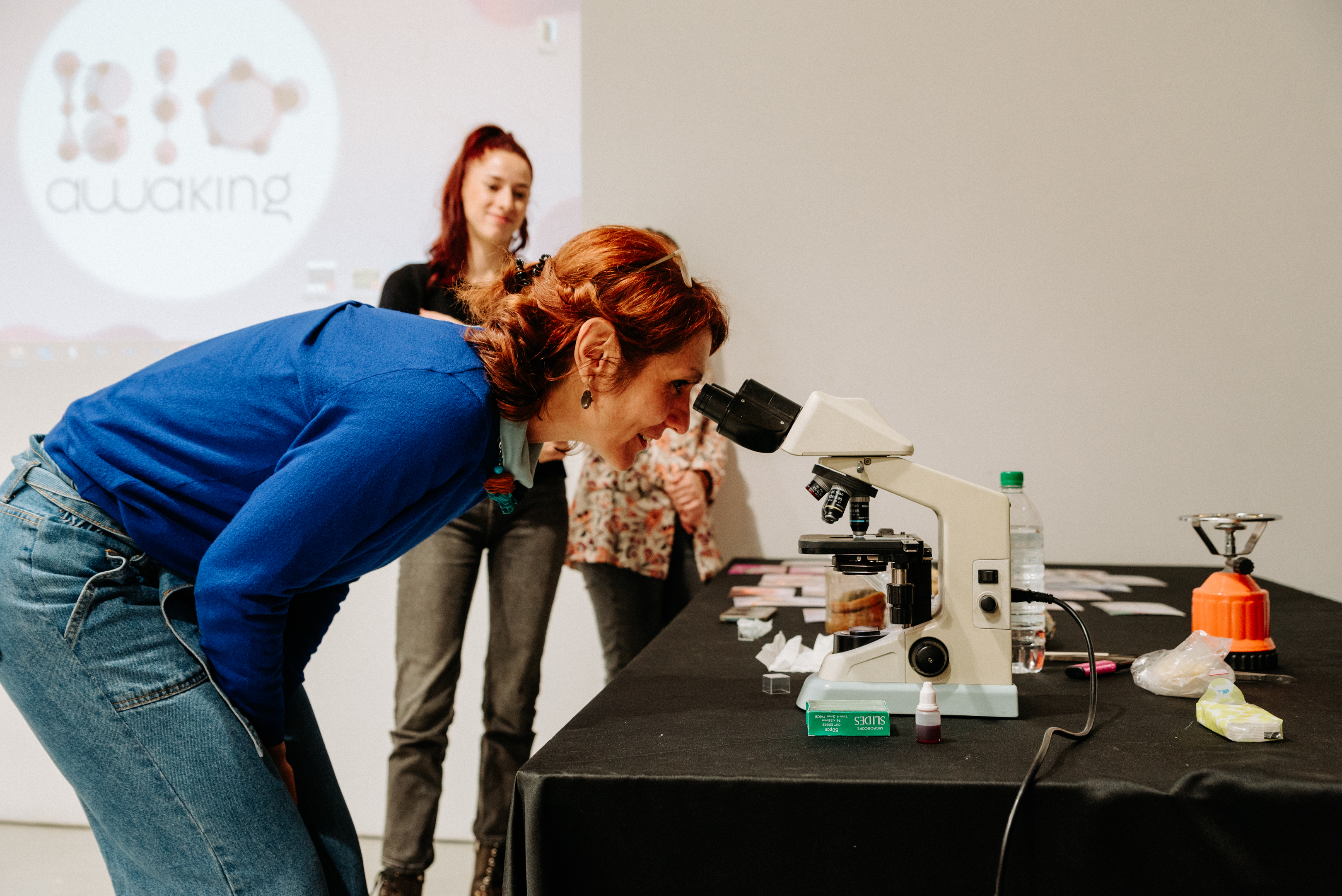
The Micro-World of Molds
Led by: Milica Rukavina (RS), participant of the BioStArt program, ReActor
Duration: approx. 30 min
Age group: 16+
About the workshop
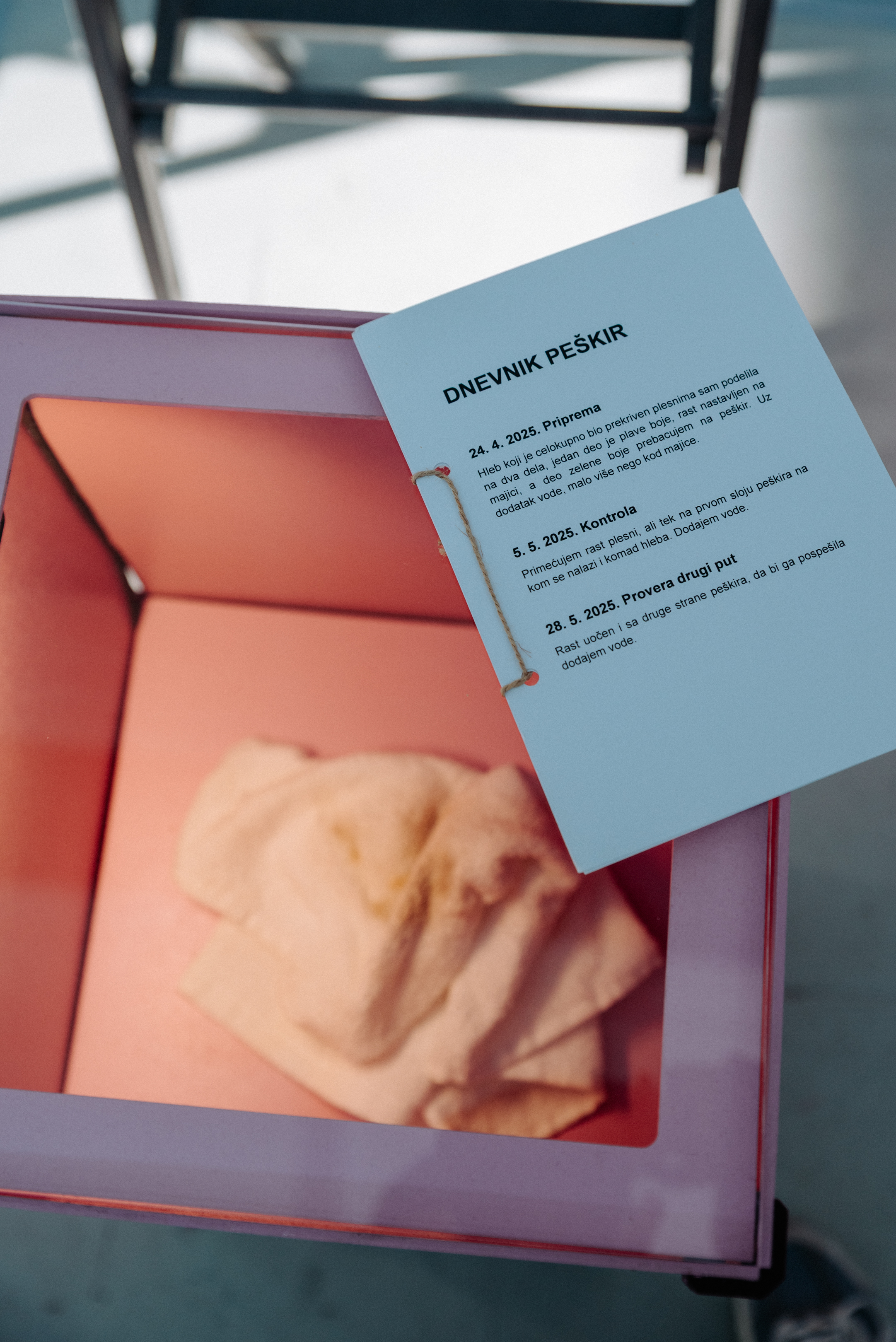
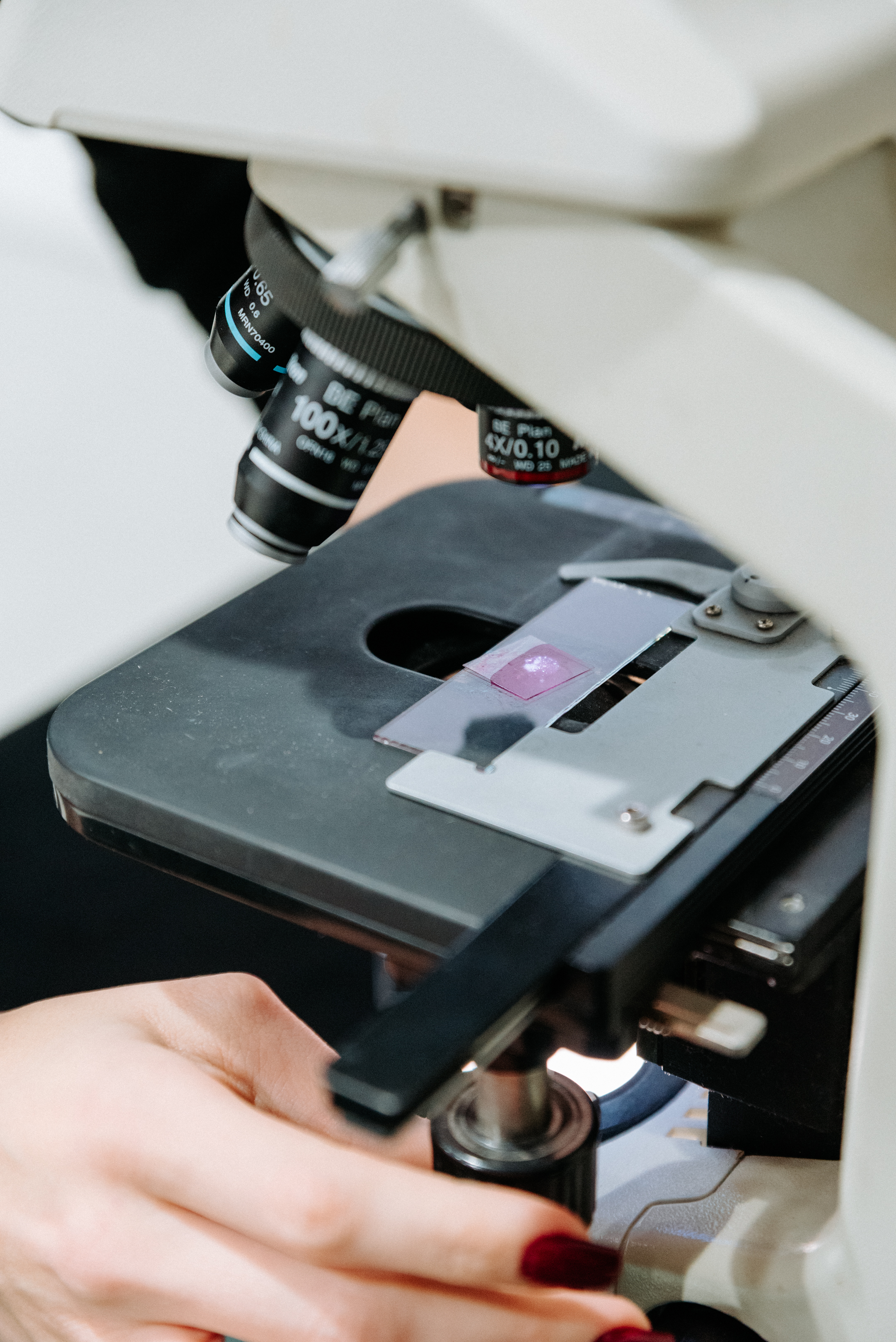
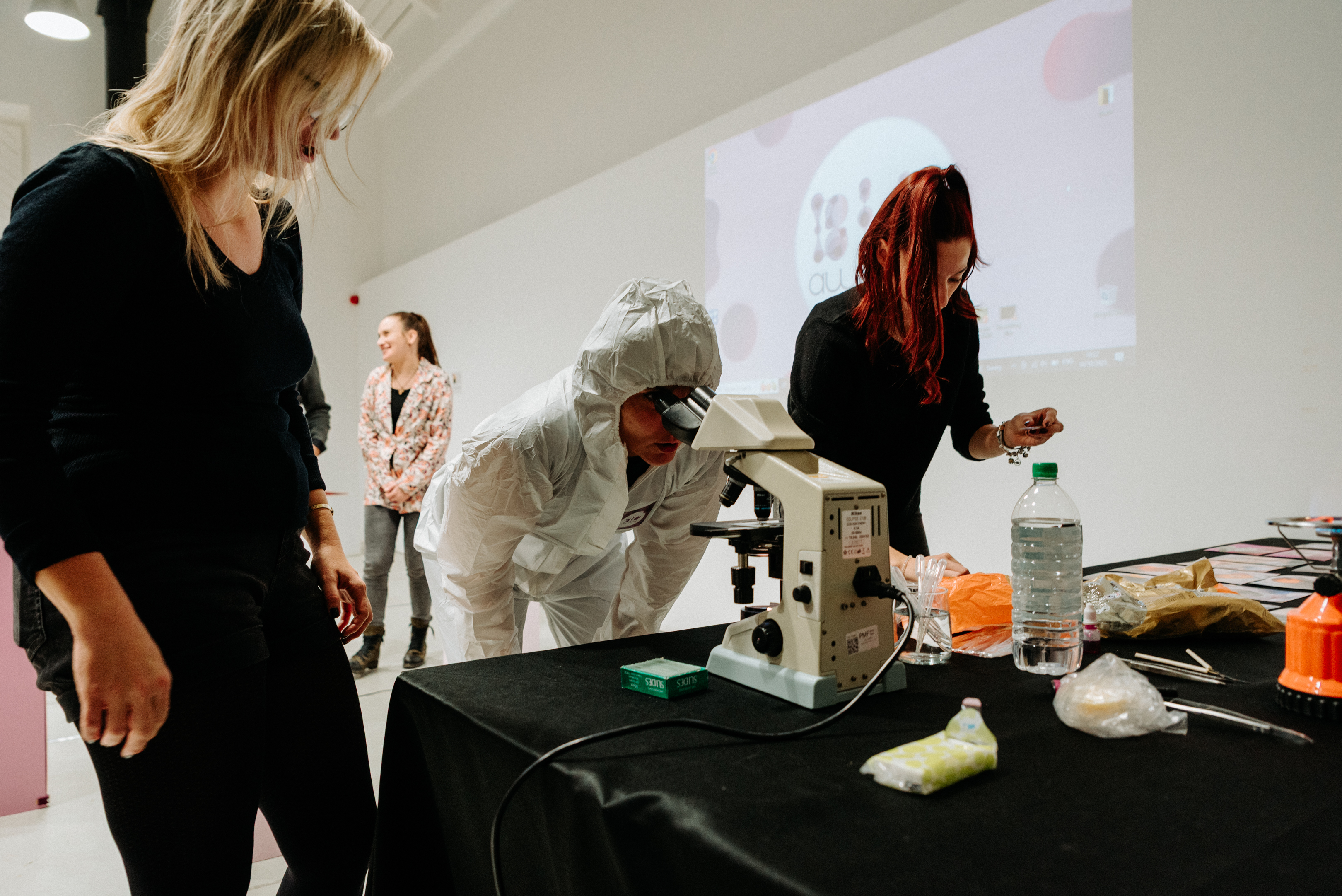
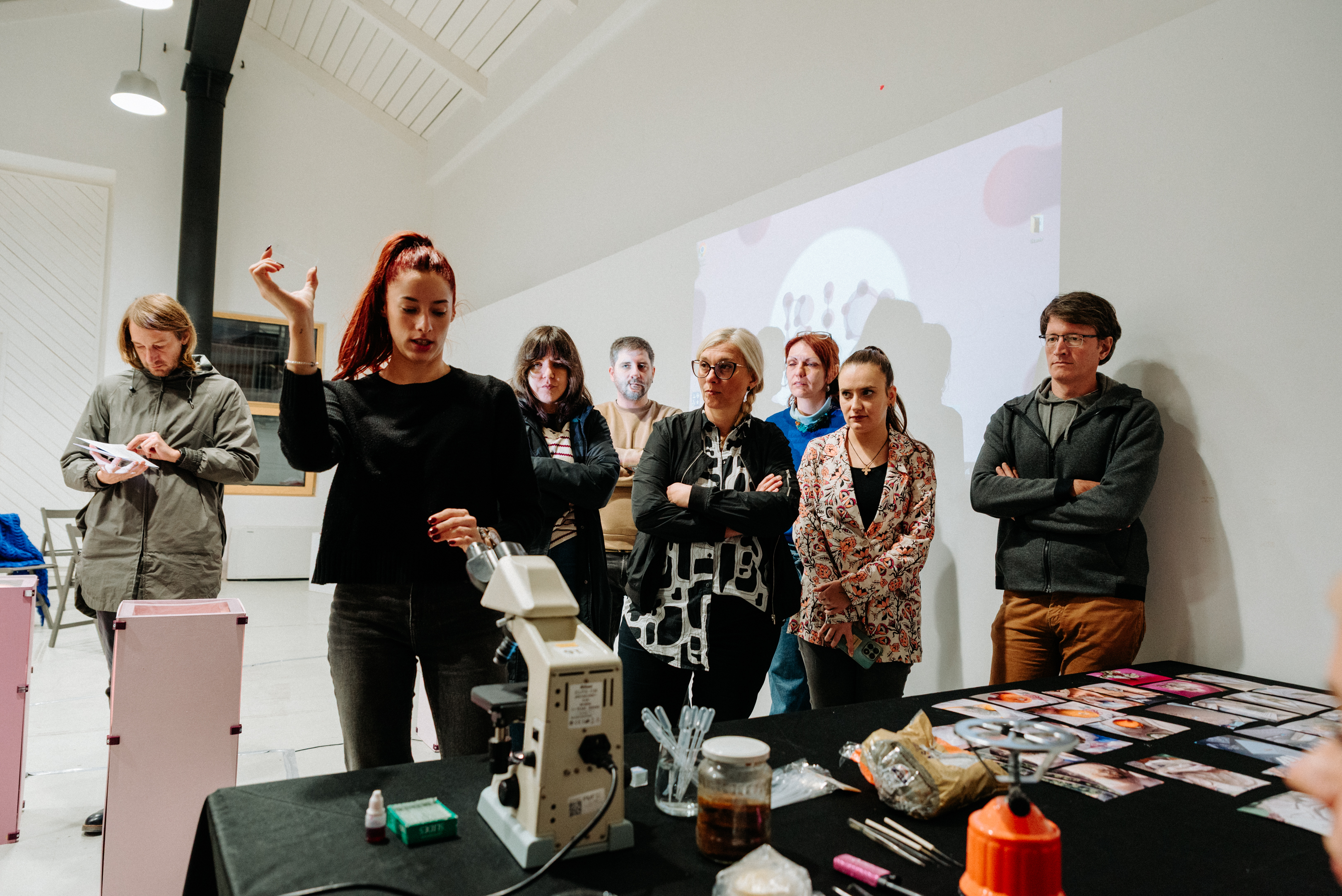
The educational workshop “The Micro-World of Molds” is designed to introduce the basics of microbiology through interactive exploration of the natural environment, with a special focus on molds – ubiquitous microorganisms that often go unnoticed – in correspondence with the artwork “Box of Realities.”
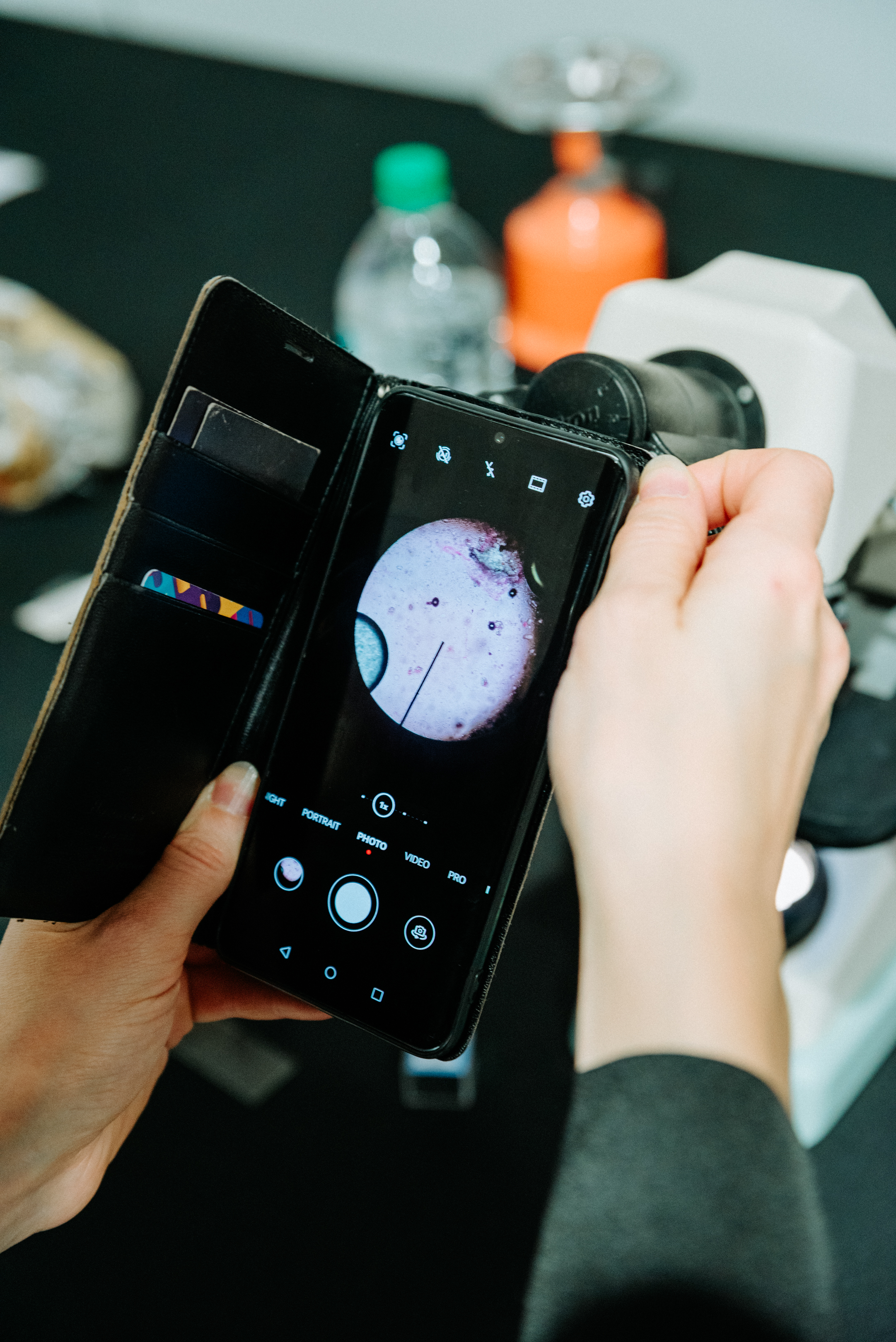
The session begins with a concise presentation of the artwork, followed by an introduction to the main types of molds, their ecological roles, and modes of reproduction. Depending on technical conditions, collected samples will be demonstrated and examined under a microscope or magnifying glass, providing direct insight into the microbial world. The workshop is open to the public, though the number of active participants will be limited.
As a keepsake, each participant will receive a Petri dish with nutrient agar, allowing them to cultivate molds at home and observe their development over the following days.
About the mentor
Milica Rukavina (RS) is from Subotica and is 25 years old. She is a student at the Faculty of Sciences, University of Novi Sad, majoring in Biology. Her passion for microbiology dates back to high school, when she took part in various biology competitions. During her fourth year of studies, she had the opportunity to see science from a different perspective through her involvement in a bioart project. The perspectives of artists at that time opened up new possibilities for her to explore the science she studies, as well as its close connection with art. Motivated by the work of many artists and scientists, she gladly joined the BioAwaking project, which inspired the creation of her own project entitled “The Box of Reality.”

SCREENING
07:00 PM
Short documentary film BioAwaking
Duration: approx. 20 min
Age group: 16+
The Bio Awaking documentary presents the creation of bio and hybrid art across Europe, following the project’s workshops, lab activities, and collaborative processes. The film showcases alternative and innovative approaches, tracing the learning journey of artists and scientists, and offers an engaging insight into how art, science, and society intersect in experimental and ecological practices.


Photography: Aleksandar Danguzov
Support

The Creative Europe program of the European Union supports activities that promote cultural diversity and respond to the needs and challenges of the cultural and creative sectors. The main objectives of the program are to safeguard the competitiveness and economic potential of the cultural and creative sectors, particularly the audiovisual sector. The program’s new approach will contribute to the recovery of these sectors by supporting their efforts to become more inclusive, digitalized, and sustainable in their environment.
The project is co-funded by the Creative Europe program of the European Union under grant agreement No. 10112849. The views and opinions expressed are solely those of the authors and do not necessarily reflect the views of the European Union or the Education, Audiovisual and Culture Executive Agency (EACEA). Neither the European Union nor the funding body can be held responsible for them.
Funded by the European Union. Views and opinions expressed are however those of the author(s) only and do not necessarily reflect those of the European Union or the European Education and Culture Executive Agency (EACEA). Neither the European Union nor EACEA can be held responsible for them.

 ReAktor